
Can You Use Flexible Pvc For Shower Drain
When you start a bathroom renovation or install a new shower, choosing the right drainage pipes is vital. Many people wonder if flexible PVC can be used for a shower drain. This question comes up because flexible PVC is easy to bend, cut, and install, making it attractive for DIY projects. But just because something is convenient does not mean it’s the best or safest choice. Plumbing mistakes often lead to leaks, bad smells, or even costly water damage.
This article will guide you through everything you need to know about using flexible PVC for a shower drain. You will learn about the types of PVC, the pros and cons, code rules, installation tips, and common mistakes. If you want your shower to last for years without trouble, keep reading.
Understanding Flexible Pvc
Flexible PVC, also known as flexible polyvinyl chloride, is a plastic material that bends easily. It is made by adding plasticizers to regular PVC, which changes its properties. Unlike rigid PVC pipes, flexible PVC can curve and twist, which is why many people use it for swimming pool plumbing, certain drains, and even garden irrigation.
How Flexible Pvc Differs From Rigid Pvc
Rigid PVC pipes are solid, straight, and do not bend. They are the standard in most home plumbing systems, especially for drains and waste lines. Flexible PVC, on the other hand, comes in rolls or coils and feels rubbery. It can handle gentle bends without the need for fittings or elbows.
The key differences are:
- Bending Ability: Flexible PVC can curve smoothly, while rigid PVC needs connectors for any change in direction.
- Wall Thickness: Flexible PVC is often thicker and heavier, which makes it tougher but also less easy to hide behind walls.
- Pressure Ratings: Flexible PVC is mainly used for low-pressure situations.
Why People Consider Flexible Pvc For Shower Drains
Flexible PVC is popular in some home projects because it offers these benefits:
- Easy Installation: You can cut it with simple tools and install it without many fittings.
- Fewer Leaks: Fewer joints mean fewer places for leaks.
- Less Labor: Bending around obstacles is easier.
Because a shower drain often needs to weave through tight spaces or around framing, flexible PVC sounds like a great idea. But there’s more to consider.

Credit: www.amazon.com
Plumbing Codes And Flexible Pvc
Before you buy any pipe, know that local plumbing codes control what materials you can use in your home. These codes are there for safety, hygiene, and to protect your home’s value.
What Codes Say About Shower Drains
Most building codes in North America and Europe only allow rigid PVC (Schedule 40 or 80) for shower and bathtub drains. The International Residential Code (IRC) and Uniform Plumbing Code (UPC) are very clear that only approved materials can be used for waste lines.
Flexible PVC is usually not on the list for several reasons:
- Fire Safety: Flexible PVC can burn or melt more easily.
- Durability: Over time, flexible PVC can sag, which may lead to standing water and clogs.
- Connection Issues: Flexible PVC does not always seal well with standard drain fittings.
If you want your shower drain to pass inspection or maintain your home insurance, you should always check your local code. Inspectors can force you to redo work if you use the wrong material.
Comparing Flexible Pvc To Other Common Drain Materials
To make a smart choice, compare flexible PVC to other popular drain materials. The table below shows the key differences.
| Pipe Type | Typical Use | Code Approval | Durability | Ease of Install |
|---|---|---|---|---|
| Flexible PVC | Pools, spas, irrigation | No (for drains) | Medium | Easy |
| Rigid PVC (Sch 40) | Showers, sinks, toilets | Yes | High | Medium |
| ABS Pipe | Drain/waste/vent | Yes | High | Medium |
| Cast Iron | Old homes, commercial | Yes | Very High | Hard |
You can see that rigid PVC and ABS are the main approved materials for shower drains. Flexible PVC is not code-approved for this use.
Pros And Cons Of Flexible Pvc In Drains
If you are still considering flexible PVC, it’s important to look at both the advantages and disadvantages.
Pros
- Easier Routing: You can bend it around framing or obstacles without many fittings.
- Fewer Joints: Fewer connections mean fewer potential leak points.
- Vibration Resistance: In theory, it handles building movement better.
Cons
- Code Problems: Most areas do not allow it for drains.
- Sagging: Flexible pipes can droop over time, causing water to collect and slow drainage.
- Poor Fit: Standard shower drains and traps are made for rigid pipes, so connections can be weak or leaky.
- Chemical Resistance: Some shower cleaning products can damage flexible PVC.
- Fire Risk: It melts and burns at a lower temperature than rigid PVC.
Real-world Performance: What Happens If You Use Flexible Pvc?
If you install flexible PVC for a shower drain, it may work for a short time. But over several months or years, you may see problems:
- Standing Water: Sagging pipes create low spots where water sits. This can cause bad smells and mold.
- Leaks: Flexible PVC can pull away from fittings, especially if not glued well.
- Clogs: The inner surface is not as smooth as rigid PVC, so hair and soap can stick.
- Failed Inspection: If a plumber or inspector sees flexible PVC under your shower, they will likely tell you to replace it.
Homeowners sometimes use flexible PVC for a quick fix, but these jobs often need to be redone with proper materials. It’s not worth risking a leak inside your bathroom walls or floor.
Common Situations: When Might Flexible Pvc Be Tempting?
Let’s look at a few real-life examples:
Example 1: Remodel With Tight Space
You remove an old tub and want to install a walk-in shower. The old drain is off-center. Flexible PVC makes it easy to reach the new location. But if you use it, the inspector may fail your work, and you risk future leaks.
Example 2: Mobile Homes Or Rvs
Some mobile homes use flexible pipes because of movement and vibrations. Even there, most manufacturers use special approved flexible drain pipes—not standard flexible PVC from the hardware store.
Example 3: Outdoor Showers
If you are building a simple outdoor shower, you might use flexible PVC to connect to a drain or dry well. But for indoor showers, especially those connected to the home’s main drain, this is not a good idea.
How To Properly Connect A Shower Drain (using Approved Materials)
If you want your shower to last, use materials approved by code. Here’s a simple step-by-step guide:
- Choose Rigid PVC (Schedule 40): This is the standard for residential drains.
- Measure and Cut: Plan your pipe route. Cut pipes to fit using a saw.
- Dry Fit: Assemble everything without glue first to check that it fits.
- Prime and Glue: Use PVC primer and cement to join pipes and fittings.
- Install Trap: Every shower drain needs a P-trap to block sewer gases.
- Test for Leaks: Pour water down the drain and check all joints.
- Support the Pipes: Use pipe straps to keep everything level and prevent sagging.
If you have to make a gentle bend, use a sweep elbow—never try to force rigid PVC to bend.

Credit: cityofharrah.com
What About Flexible Couplings?
You may see flexible rubber couplings (like Fernco brand) used in drains. These are not the same as flexible PVC pipe. They are only for connecting two rigid pipes, usually when repairing old plumbing. They are not meant to replace the whole drain line.
What Does The Plumbing Industry Recommend?
Most professional plumbers never use flexible PVC for shower drains. Here’s why:
- Warranties: Many plumbing companies will not guarantee work using unapproved materials.
- Home Value: If you try to sell your house, home inspectors will check the plumbing. Unapproved pipes can lower your home’s value or scare off buyers.
- Health and Safety: Leaks, mold, and sewer gas are serious risks.
Case Study: Flexible Pvc In A Shower Drain
Let’s look at a real example. In 2021, a homeowner in Texas used flexible PVC to connect a new shower. Within six months, the pipe sagged under the floor, causing water to pool. This led to mold in the subfloor and drywall.
The repair cost over $3,500, including removing the shower base and replacing all pipes with rigid PVC.
This is not an isolated case. Many plumbing forums and repair experts share similar stories. You can find more details at Family Handyman.
Flexible Pvc And Shower Traps
A key part of a shower drain is the P-trap. This trap holds water to block sewer gases. Flexible PVC cannot hold its shape well enough to form a reliable P-trap under the floor. Most plumbing codes require the trap to be made from rigid PVC or ABS.
Cost Comparison: Flexible Pvc Vs. Rigid Pvc
You might think flexible PVC is cheaper because you use fewer fittings. But the price per foot is often higher. Here’s a rough comparison:
| Material | Average Price per Foot | Fittings Needed | Total Cost for 6 ft Drain |
|---|---|---|---|
| Flexible PVC (1.5″) | $3.00 | 2 | $18 + $8 (fittings) = $26 |
| Rigid PVC (1.5″) | $1.50 | 4-6 | $9 + $6 (fittings) = $15 |
So, rigid PVC is usually the better value, especially since you won’t have to redo the work.
Flexible Pvc: Approved Uses
Flexible PVC is not useless—it’s just not right for shower drains. Here’s where it works well:
- Swimming pools and spas: It handles mild pressure and bending.
- Garden irrigation: Easy to route.
- Some sump pumps: When vibration is an issue.
- Outdoor water features: Hides easily in landscaping.
But for indoor shower drains, it is not approved.
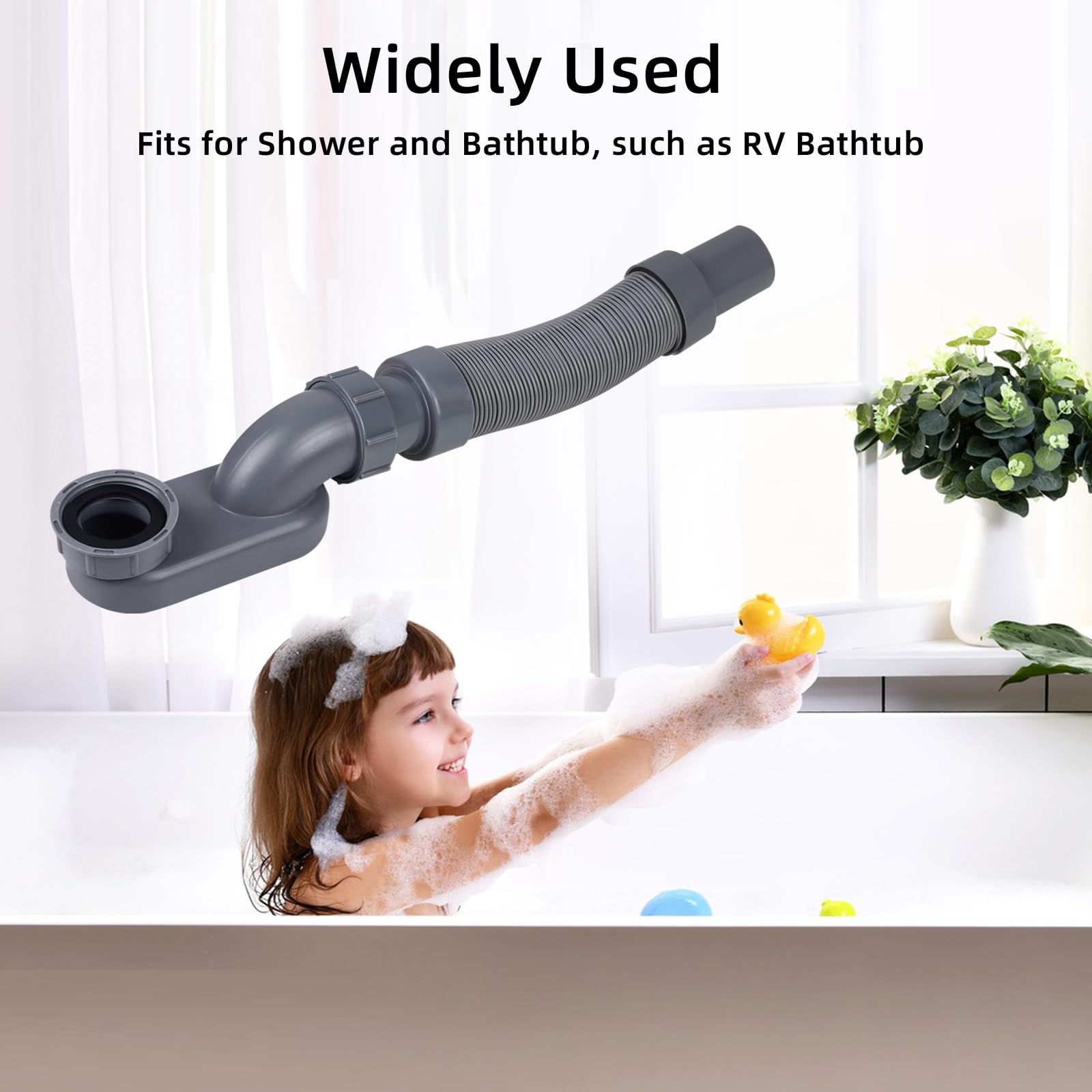
Credit: www.amazon.com
Alternatives If You Need Flexibility
If you really need to run a drain through a tight spot, here are better ways:
- Use multiple sweep elbows: These allow you to turn corners with rigid PVC.
- Offset fittings: These let you shift the pipe side-to-side.
- Adjust framing: Sometimes, cutting a small notch or moving a stud is safer than using the wrong pipe.
- Flexible drain connectors: These short rubber connectors can join pipes, but should not be used for the whole drain.
It’s always better to work with approved materials and proven methods.
Common Mistakes When Using Flexible Pvc
If you are tempted to use flexible PVC, beware of these errors:
- Not supporting the pipe: Flexible PVC sags without many supports.
- Gluing to rigid PVC: The two materials use different types of glue and may not bond well.
- Wrong fittings: Many shower drains only fit rigid pipes.
- Ignoring code: Passing inspection is not just about safety; it protects your home’s value.
Maintenance And Longevity
A proper shower drain made with rigid PVC can last over 50 years with no trouble. Flexible PVC in a drain line often fails in 3–5 years due to sagging, leaks, or chemical damage. If you want to avoid costly repairs, use the right material from the start.
Expert Tips For A Trouble-free Shower Drain
- Always check your local code: Even if it’s allowed in one city, it may be banned in another.
- Use pipe supports every 4 feet: This prevents sagging.
- Prime and glue all joints: Rushing this step causes leaks.
- Slope the drain at 1/4″ per foot: This ensures water flows out quickly.
- Test before closing walls: Run lots of water and check for leaks before you tile or seal the floor.
Future-proofing Your Bathroom
Bathrooms are one of the most remodeled parts of a home. Using the right materials today saves money tomorrow. Many buyers and inspectors will walk away from a home with poor or unapproved plumbing. A few extra hours and dollars on proper pipes is always worth it.
Environmental And Health Considerations
Flexible PVC contains more plasticizers and chemicals than rigid PVC. Over time, these can leach into the environment. Some cleaning products can break down flexible PVC, releasing smells or even toxins into your bathroom.
Rigid PVC and ABS are more stable and have been tested for decades in thousands of homes. They are safer for your family and the planet.
What If You Already Installed Flexible Pvc?
If you already have flexible PVC under your shower, it’s wise to replace it. Even if it’s not leaking now, you could fail an inspection or run into trouble when you sell your home. Replacement is usually simple if you catch it before you close up the walls or lay the tile.
Final Thoughts
While flexible PVC is a handy material for some projects, it is not a good or approved choice for shower drains. Using rigid PVC (Schedule 40) or ABS pipes is the best way to ensure your shower works well, passes inspection, and lasts for decades. Cutting corners with flexible PVC often leads to leaks, bad smells, and expensive repairs. The small time and cost savings are not worth the risk.
If you want a safe, long-lasting bathroom, stick to materials that professionals trust and that local codes require. Always ask a licensed plumber or your local building office if you are unsure.
Frequently Asked Questions
Can I Connect Flexible Pvc To A Standard Shower Drain Fitting?
Most standard shower drain fittings are designed for rigid PVC or ABS pipes. While adapters exist, they often do not create a strong, leak-proof seal with flexible PVC. Over time, the joint may loosen, especially with hot water or cleaning chemicals.
Is Flexible Pvc Ever Allowed In Residential Drains?
Flexible PVC is rarely approved for indoor residential drains, especially showers or tubs. Some local codes allow it in outdoor applications or for certain sump pumps, but you should always check with your building department first.
What Is The Best Pipe For A Shower Drain?
Rigid PVC Schedule 40 or ABS are the most widely approved and reliable materials for shower drains. They are durable, smooth inside, easy to join, and resist chemicals and heat.
What Happens If I Use Flexible Pvc And Fail Inspection?
If a plumbing inspector finds flexible PVC in your shower drain, you may be required to remove it and install an approved pipe. This can mean removing walls, floors, and fixtures, which is costly and time-consuming.
Does Flexible Pvc Clog More Easily Than Rigid Pvc?
Yes, flexible PVC’s inner surface is not as smooth as rigid PVC. This means soap, hair, and other debris are more likely to stick and cause clogs over time. Proper slope and rigid pipes help prevent this problem.
For more on plumbing codes and approved materials, you can check the official International Code Council website.