
Keeping your Intex pool clean is more than just a matter of looks. Algae in a pool can turn the water green, make the surface slippery, and even cause health issues. If you’ve noticed green patches or cloudy water, you’re not alone. Many pool owners struggle with algae at some point, especially in summer. The good news? You can remove algae from your Intex pool with the right steps, tools, and a bit of patience.
This guide will show you exactly how to vacuum algae from an Intex pool. You’ll learn why algae appears, which equipment works best, and the safest cleaning methods. If you’re new to pool maintenance, don’t worry—I’ll point out common mistakes and share helpful tips that many beginners miss. By the end, you’ll feel confident that you can restore your pool to sparkling, safe water, and keep it that way.
Understanding Algae In Intex Pools
Before starting the cleaning process, it’s important to understand what algae is and why it grows in your pool. Algae are tiny plants that thrive in water, especially when there’s sunlight, warm temperatures, and not enough chemicals like chlorine.
There are three main types of algae you might find in your pool:
- Green algae: This is the most common type. It makes the water look green and cloudy. It’s easy to brush off surfaces but can quickly multiply.
- Yellow or mustard algae: This type is harder to remove. It often grows in shady spots and feels slimy.
- Black algae: This is the toughest. It forms dark spots and digs deep into pool walls.
If you ignore algae, it can clog your filter, make your pool unsafe, and even damage your pool liner. Quick action is best.
Why Algae Grows In Intex Pools
Intex pools are popular because they’re easy to set up and move. But their soft sides and simple filter systems can make them more likely to get algae if you’re not careful. Here are a few reasons why algae might appear:
- Low chlorine levels: Not enough chlorine lets algae grow.
- Poor circulation: If water isn’t moving enough, algae can settle and spread.
- Debris in the pool: Leaves, dirt, and bugs bring in nutrients that algae love.
- Warm temperatures: Hot weather speeds up algae growth.
Even if you’re careful, a few warm days and a missed cleaning can lead to an outbreak.
Essential Equipment For Vacuuming Algae
You’ll need some tools to clean algae from your Intex pool. The right equipment makes the job easier and protects your pool liner. Here’s what you should have ready:
Vacuum Options
You can use three main types of vacuums with an Intex pool:
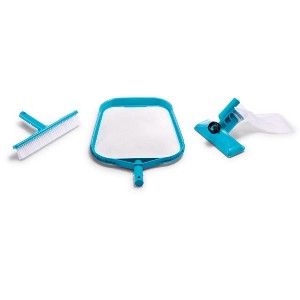
- Manual pool vacuum: This is the most common. It has a head, a hose, and a telescoping pole. You move it by hand along the pool floor.
- Automatic pool vacuum: These connect to your pump and move around on their own. Some work well with Intex pools, but check compatibility.
- Battery-powered or handheld vacuum: Good for small pools or spot cleaning.
Other Tools And Supplies
- Pool brush: For scrubbing walls and the floor.
- Leaf skimmer or net: To remove big debris before vacuuming.
- Algaecide: A chemical that kills algae (choose one safe for vinyl pools).
- Chlorine shock: Raises chlorine levels quickly to kill algae.
- Test strips or kit: To check water chemistry.
- Protective gloves and goggles: For safety.
Table: Manual Vs. Automatic Vacuum For Intex Pools
Here’s a quick comparison to help you choose the right vacuum:
| Feature | Manual Vacuum | Automatic Vacuum |
|---|---|---|
| Cost | Low | Medium to High |
| Ease of Use | Requires effort | Easy, set-and-forget |
| Cleaning Control | Full control | Random patterns |
| Best For | Spot cleaning, tough algae | Regular maintenance |
| Works Without Pump | Some models | Most need pump |
Beginners often overlook that not all vacuums fit every Intex pool. Always check the hose size and fittings. If you have an Easy Set pool, for example, you may need special adapters.
Preparing Your Intex Pool For Vacuuming
Jumping straight into vacuuming is a common mistake. Preparation is key for best results. Here’s what to do before you start:
1. Remove Large Debris
Use your leaf skimmer or net to scoop out leaves, twigs, and insects. Big debris can clog your vacuum or pump.
2. Brush The Pool Surfaces
Take your pool brush and scrub the walls, floor, and any corners. Focus on areas with visible algae. This loosens algae so your vacuum can pick it up.
- Tip: Brush gently to avoid damaging the liner. Many new owners scrub too hard and cause tears.
3. Check And Adjust Water Chemistry
Algae thrives in unbalanced water. Test your pool water for chlorine, pH, and alkalinity.
- Chlorine: Aim for 1-3 ppm (parts per million).
- PH: Keep between 7.2 and 7.6.
- Alkalinity: Should be 80-120 ppm.
If chlorine is low, add a shock treatment before vacuuming. Wait a few hours for chemicals to mix.
4. Turn Off The Pool Pump
If your pool has a pump, switch it off before vacuuming. This stops water movement and lets algae settle on the bottom, making it easier to clean.

Credit: www.amazon.com
How To Vacuum Algae From Your Intex Pool: Step-by-step
Now you’re ready for the main job. The following steps are for a manual vacuum, but you’ll find tips for automatic and handheld vacuums too.
Step 1: Assemble The Vacuum
Connect the vacuum head to the telescoping pole. Attach one end of the hose to the vacuum head. Lower the vacuum head into the pool. Fill the hose with water by submerging it. This removes air, which helps the vacuum work properly.
- Pro tip: Hold the other end of the hose against the pool’s water return jet to push out air bubbles.
Step 2: Connect The Vacuum To The Skimmer Or Pump
Plug the free end of the hose into your pool’s skimmer or dedicated vacuum port. For Intex pools, you might need an adapter. Check your manual. If you’re using a battery-powered vacuum, just turn it on.
Step 3: Start Vacuuming
Move the vacuum slowly along the pool floor. Don’t rush—if you go too fast, you’ll stir up algae, making the water cloudy and harder to clean.
- Vacuum in overlapping lines to cover the whole floor.
- Focus on spots where algae is thickest.
- If your vacuum gets clogged, stop and clean it out before continuing.
Many beginners miss corners and steps, where algae often hides. Use the brush or net for tight spots.
Step 4: Backwash Or Clean The Filter
After vacuuming, your pool’s filter will be full of algae and dirt. Clean or backwash the filter to keep it working well. Neglecting this step can lead to poor water quality and even damage your pump.
Step 5: Rinse And Store Your Equipment
Clean your vacuum, hose, and brush with fresh water. Let them dry in the sun before storing. This stops algae or bacteria from spreading the next time you clean.
Table: Estimated Time Needed For Different Pool Sizes
How long does vacuuming take? Here’s a guide:
| Pool Size (Gallons) | Vacuuming Time (Manual) | Vacuuming Time (Automatic) |
|---|---|---|
| 1,000 – 2,000 | 30-45 minutes | 45-60 minutes |
| 2,000 – 4,000 | 45-60 minutes | 60-90 minutes |
| 4,000 – 6,000 | 60-90 minutes | 90-120 minutes |
Remember, heavy algae may need two or more vacuum sessions. Always check water clarity before letting anyone swim.
Dealing With Different Types Of Algae
Not all algae are the same. Here’s how to target each kind:
Green Algae
Usually floats in the water and coats surfaces. Brushing and vacuuming are often enough, but always shock the pool after cleaning.
Mustard (yellow) Algae
Grows in shady spots. Use a strong brush and a special mustard algaecide. Vacuum carefully, as mustard algae is stubborn and can return quickly.
Black Algae
Appears as dark, hard spots on the liner. This type digs deep. Use a stiff brush, but avoid anything sharp that could tear the liner. Black algae usually need several treatments with shock and algaecide.
- Key insight: Many pool owners think black algae is just dirt. If it doesn’t brush off easily, treat it as algae.

Credit: www.youtube.com
How To Vacuum Algae Without A Pump
Some Intex pools don’t have a pump or skimmer. You can still clean them:
- Use a battery-powered or handheld vacuum.
- For small pools, a siphon vacuum works—attach a hose, fill it with water, and let gravity pull water and algae out of the pool.
- Remove as much water as possible after vacuuming, then refill with clean water.
These methods are simple but require more manual work. Always avoid using harsh brushes that could damage the soft liner.
What To Do After Vacuuming
Cleaning doesn’t end after vacuuming. Follow these steps to keep your pool clear:
1. Shock The Pool
Even after vacuuming, some algae may remain. Add a shock treatment to boost chlorine and kill leftover algae. Follow the instructions on the product.
2. Run The Filter
Let the filter run for at least 8-12 hours to catch any tiny particles still in the water.
3. Test And Balance The Water
Check chlorine, pH, and alkalinity again. Adjust if needed. Balanced water stops algae from coming back.
4. Clean The Pool Surroundings
Remove leaves, dirt, and grass from around the pool. Keeping the area tidy helps prevent new algae growth.
Table: Common Chemical Levels For Algae Prevention
Proper pool chemistry is the best long-term defense:
| Chemical | Ideal Range | Purpose |
|---|---|---|
| Chlorine | 1 – 3 ppm | Kills bacteria and algae |
| pH | 7.2 – 7.6 | Comfort and chemical balance |
| Alkalinity | 80 – 120 ppm | Prevents pH swings |
| Cyanuric Acid | 30 – 50 ppm | Protects chlorine from sunlight |
Credit: www.target.com
Tips For Preventing Algae In Your Intex Pool
Prevention is easier than cleaning. Here’s how to keep algae away:
- Test water weekly: Use test strips or a kit to check chlorine and pH.
- Run the filter daily: Even 4-6 hours helps keep water moving.
- Clean debris quickly: Leaves and bugs feed algae.
- Brush and vacuum regularly: Don’t wait for algae to appear.
- Cover the pool: A cover keeps out sunlight and debris.
- Shock after heavy use: If many people swim or after rain, add extra chlorine.
A common beginner mistake is skipping routine cleaning. Small issues can quickly become large algae blooms.
Mistakes To Avoid When Vacuuming Algae
Even with the right steps, some mistakes can make things worse. Watch out for these:
- Vacuuming too fast: This stirs up algae, making the water cloudy.
- Not cleaning the filter: A dirty filter can’t trap algae.
- Skipping brushing: Vacuuming alone won’t loosen stubborn algae.
- Using the wrong vacuum: Not all vacuums work with Intex pools.
- Ignoring chemical balance: Without the right chemicals, algae will come back.
Another common error: forgetting to rinse equipment after use. Leftover algae can spread next time you clean.
When To Call For Professional Help
Sometimes, home cleaning isn’t enough. If your pool stays green after several cleaning attempts, the water smells bad, or you see black algae that won’t go away, it might be time to get expert help. Pool professionals have stronger chemicals and tools, and can often restore your pool faster.
Non-obvious Insights For Beginners
Many guides skip the little details that make a big difference:
- Vacuum to waste: If your pool has this setting, use it when cleaning heavy algae. It sends dirty water straight out of the pool, so you don’t clog your filter.
- Check for dead spots: Some Intex pools have poor circulation in the corners. Adding a small, inexpensive pool fountain or extra pump can help water move better, reducing algae risk.
- Sunlight matters: If your pool is in full sun all day, you’ll need to add chlorine more often. Covering the pool when not in use can save you money and effort.
Understanding these points can help you keep your Intex pool clear all season long.
Frequently Asked Questions
How Often Should I Vacuum Algae From My Intex Pool?
Vacuum algae as soon as you see it. For prevention, vacuum the pool weekly, even if the water looks clear. Regular vacuuming stops algae from taking hold and keeps your pool water healthy.
Can I Use A Regular Household Vacuum For My Intex Pool?
No, you should never use a household vacuum for your pool. Pool vacuums are made to work in water and pick up algae, dirt, and debris safely. Household vacuums can be dangerous and will break if used in water.
What Is The Best Vacuum For An Intex Pool With Algae?
The best vacuum depends on your pool’s size and filter system. For small pools, a battery-powered or handheld vacuum is easy and safe. For larger pools, a manual vacuum with a hose and pole offers the most control. Make sure the vacuum is safe for soft-sided, vinyl pools.
Should I Vacuum The Pool Before Or After Shocking It?
It’s best to brush and vacuum first, then shock the pool. This removes most algae and lets the shock work better. After shocking, run the filter and vacuum again if needed.
Is It Safe To Swim After Vacuuming Algae From The Pool?
Wait until the water is clear and balanced. Test chlorine and pH levels, and make sure no algae remain. Swimming in cloudy or algae-filled water can cause skin and eye irritation.
For more information about pool safety and maintenance, you can check resources like the Centers for Disease Control and Prevention.
Keeping your Intex pool free of algae may seem like a big job, but with the right tools and steps, it becomes part of a simple routine. Stay ahead of problems with regular cleaning and testing, and you’ll enjoy clear, safe water all summer long.