
Swimming pools are a place for fun, exercise, and relaxation. But keeping a pool clean and safe is not as simple as it looks. Two important chemicals—calcium and chlorine—play key roles in water quality. Many pool owners wonder: does adding calcium lower chlorine? This question might sound simple, but the answer is more complex. To understand it, you need to know how pool chemistry works, why each chemical is important, and what really happens when you add calcium to your pool.
If you manage a pool, whether it’s in your backyard or at a public facility, understanding this topic will help you avoid cloudy water, algae growth, or health risks. This article will break down the science in simple words, give practical advice, and correct some common mistakes people make.
Let’s dive into the relationship between calcium and chlorine, and see what you should do to keep your water sparkling and safe.
The Role Of Calcium In Pool Water
When you hear about calcium in pools, it usually refers to calcium hardness. This is the amount of dissolved calcium in the water. It is measured in parts per million (ppm).
Why Calcium Hardness Matters
Calcium hardness is important for several reasons:
- Protects pool surfaces: Low calcium can make water “hungry” for minerals, leading it to pull calcium out of plaster, tile, or concrete, which damages your pool.
- Prevents corrosion: If there isn’t enough calcium, metal parts like ladders and heaters can corrode.
- Avoids scaling: Too much calcium causes white, chalky buildup (scale) on pool walls, pipes, and equipment.
Ideal Calcium Levels
For most pools, the ideal calcium hardness is 200-400 ppm. Below 150 ppm, your pool may become corrosive. Above 400-500 ppm, scaling becomes more likely.
The Role Of Chlorine In Pool Water
Chlorine is the most common sanitizer for pools. It kills bacteria, viruses, and algae, making the water safe to swim in.
How Chlorine Works
Chlorine comes in several forms:
- Liquid (sodium hypochlorite)
- Granules or powder (calcium hypochlorite)
- Tablets (trichlor or dichlor)
When added to water, chlorine forms hypochlorous acid (HOCl), the active chemical that kills germs. It also creates hypochlorite ions (OCl-). The effectiveness of chlorine depends on the water’s pH and temperature.
Chlorine Levels
Safe and effective chlorine levels for most pools are 1-3 ppm. Below 1 ppm, germs may survive. Above 5 ppm, chlorine can irritate skin and eyes.
How Calcium And Chlorine Interact
This is where the topic gets interesting. Many people think that adding calcium lowers chlorine—but is it true? The answer depends on several details.
Direct Chemical Reaction
Adding calcium to pool water does not directly reduce chlorine levels. Calcium itself is not a chemical that destroys chlorine.
For example, if you add calcium chloride (a common calcium source), it dissolves, raising calcium hardness. It does not react with chlorine, so your sanitizer level remains unchanged.
Indirect Effects
However, there are indirect ways calcium and chlorine interact:
- High calcium can cause cloudiness or scale, which might make chlorine less effective at killing germs.
- Some forms of chlorine, like calcium hypochlorite, add both chlorine and calcium at the same time. If you use this product, calcium rises as you maintain chlorine, but this is not the same as calcium removing chlorine.
- Imbalanced water (with high or low calcium) can affect pH and other factors, which do influence how well chlorine works.
The Langelier Saturation Index (lsi)
The LSI is a formula that shows if pool water is “balanced.” It considers pH, temperature, alkalinity, calcium hardness, and total dissolved solids. If LSI is too low, water is corrosive; if too high, it forms scale.
Chlorine works best in balanced water. If adding calcium pushes LSI too high, it can make chlorine less efficient, but not by direct destruction. Instead, chlorine may get “locked up” in scale or react with other minerals.
Here’s a quick comparison of factors:
| Factor | How It Affects Chlorine | Ideal Range |
|---|---|---|
| Calcium Hardness | Too high: scaling; too low: corrosive water | 200-400 ppm |
| pH | High pH: less effective chlorine | 7.2-7.6 |
| Alkalinity | Stabilizes pH; affects chlorine stability | 80-120 ppm |
| Temperature | Higher temp: faster chlorine loss | Varies (ideally 78-82°F / 25-28°C) |
Common Scenarios: Does Adding Calcium Lower Chlorine?
Let’s look at the most common situations where you might think adding calcium lowers chlorine.
Scenario 1: Adding Calcium Chloride For Low Hardness
If your pool test shows low calcium hardness, you might add calcium chloride. This raises the calcium level, but it does not reduce chlorine. In fact, after adding calcium chloride, you might see a temporary cloudiness as calcium mixes in, but your chlorine level should stay the same.
Scenario 2: Using Calcium Hypochlorite To Sanitize
Calcium hypochlorite is a popular pool sanitizer. It contains about 65% chlorine and 35% calcium by weight. When you add it, you’re adding both chemicals. But it’s important to know: the calcium is a byproduct, not a chlorine remover.
Some pool owners notice that after using calcium hypochlorite, their calcium hardness increases over time. This can lead to high calcium levels, but it’s not because calcium is lowering chlorine. It’s simply an effect of the combined product.
Scenario 3: Cloudy Water After Adding Calcium
Sometimes, after adding calcium, the water becomes cloudy. This happens because of a chemical imbalance, usually when pH or alkalinity is also high. Cloudy water can make it seem like chlorine is “disappearing,” but tests often show the chlorine is still present. The problem is that the chlorine is less effective in cloudy or unbalanced water.
Scenario 4: Scale Formation And Chlorine Efficiency
If too much calcium is present, scale forms on pool surfaces and equipment. This scale can trap dirt, bacteria, or even chlorine itself, making it harder for chlorine to sanitize the water. Again, this is not because calcium destroys chlorine, but because the water is not balanced.
Here’s a simplified view of how these issues relate:
| Situation | Chlorine Level Change? | Why? |
|---|---|---|
| Add Calcium Chloride | No | No direct reaction with chlorine |
| Add Calcium Hypochlorite | Chlorine increases | Product adds both chemicals |
| Cloudy Water after Calcium | No (but appears less effective) | Imbalanced water, not chlorine loss |
| Scale Formation | No direct loss (but reduced effectiveness) | Chlorine may be trapped or less available |

Credit: intheswim.com
The Science: Why Calcium Does Not Lower Chlorine
Pool chemistry follows the laws of science. For chlorine to be lowered, there must be a chemical reaction that destroys or neutralizes it. Calcium, in the forms added to pools, does not do this.
What Really Lowers Chlorine?
Several factors can lower chlorine:
- Sunlight: UV rays break down chlorine quickly, especially if you don’t use a stabilizer (cyanuric acid).
- High temperatures: Heat speeds up chlorine loss.
- Heavy use: Swimmers bring in sweat, sunscreen, and germs that use up chlorine.
- Organic matter: Leaves, bugs, and dirt “consume” chlorine as it sanitizes.
- Low pH: If pH is too low, chlorine is used up faster.
- Contaminants: Ammonia (from sweat or urine) creates “chloramines,” which use up chlorine.
But calcium is not on this list. It is a mineral, not a sanitizer or a contaminant.
Non-obvious Insights Most Pool Owners Miss
Many beginners focus only on chlorine and pH, ignoring calcium. But calcium hardness is part of the pool chemical triangle (pH, alkalinity, calcium) that keeps water balanced.
- Imbalanced calcium can “lock up” chlorine indirectly. If calcium is too high and pH is also high, scale forms. This scale can trap chlorine and make it less available, so you might get algae or cloudy water even if tests show enough chlorine.
- Using calcium hypochlorite slowly raises calcium levels. If you only use this product, your pool’s calcium hardness will increase over months or years. This can eventually cause problems, especially in areas with already hard water.
Practical Guide: How To Add Calcium Correctly
Adding calcium is sometimes necessary, but it must be done carefully.
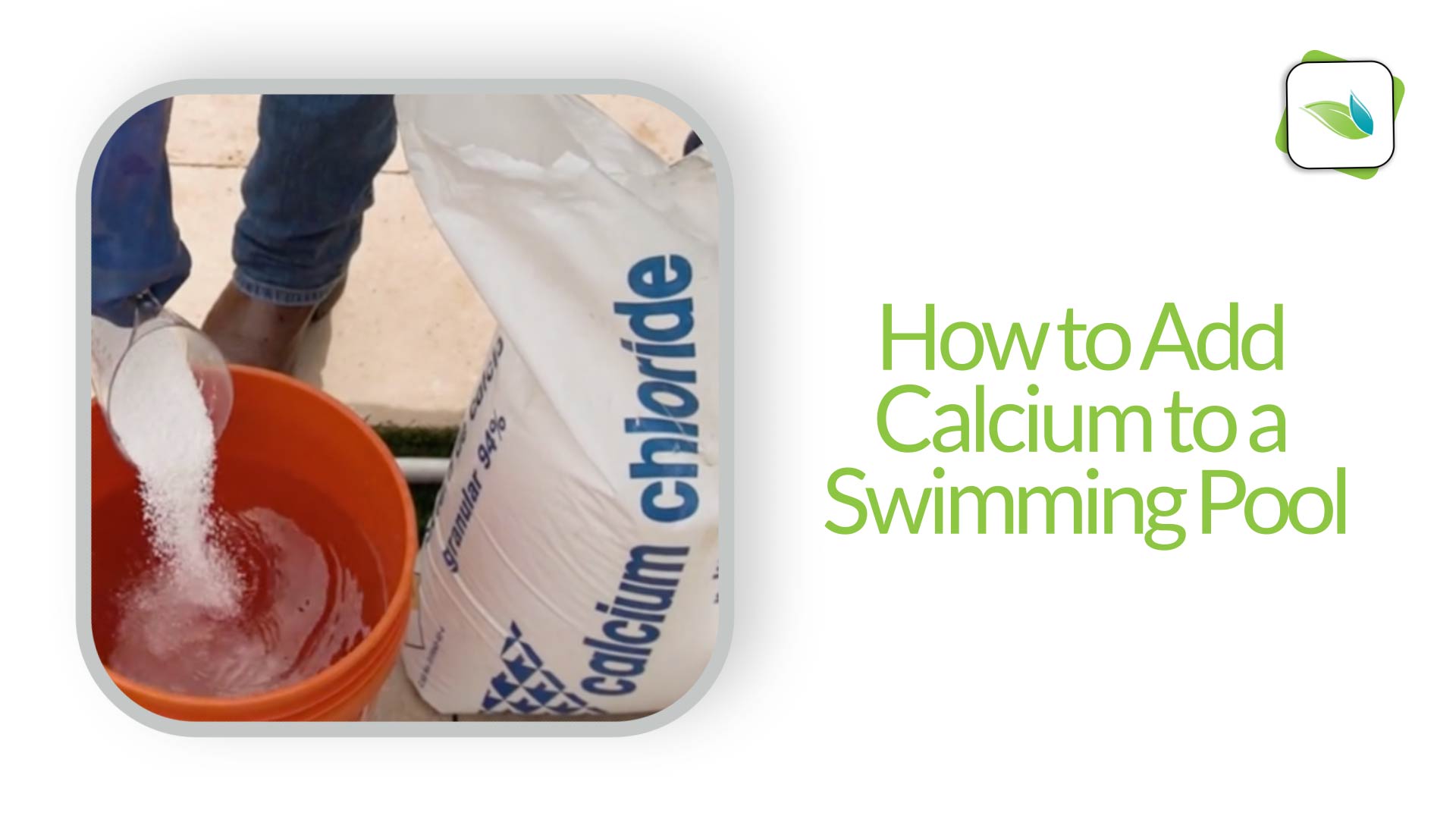
Steps To Add Calcium Chloride
- Test water first. Use a test kit to check calcium hardness.
- Calculate the amount needed. Most products provide a chart; for example, to raise 10,000 gallons by 10 ppm, you need about 1.25 pounds of calcium chloride.
- Dissolve before adding. Mix calcium chloride in a bucket of pool water. This prevents clumping or settling on the pool floor.
- Add slowly. Pour the solution around the pool edge while the pump is running.
- Wait and retest. Allow water to circulate for several hours, then retest calcium hardness.
Tips For Success
- Don’t add calcium and sodium bicarbonate (alkalinity increaser) at the same time. They can react and cause cloudiness.
- Spread out large additions over several days if possible.
- Always follow safety instructions; calcium chloride can get hot when mixed with water.
Common Mistakes When Adding Calcium
- Adding too much at once: This can cause scaling or cloudy water.
- Ignoring pH and alkalinity: These must be in the correct range for calcium to stay dissolved.
- Not checking source water: Some tap water is already high in calcium.
How To Keep Chlorine Levels Stable
While calcium doesn’t lower chlorine, it’s still important to keep chlorine steady.
- Test chlorine daily in hot weather or heavy use.
- Use a stabilizer (cyanuric acid) to protect chlorine from sunlight.
- Shock the pool regularly to remove chloramines and organic waste.
- Keep pH balanced so chlorine stays effective.
- Clean filters and surfaces to prevent scale and cloudy water.
If you notice your chlorine is dropping quickly, check for the real causes—sunlight, dirty water, or high bather load—not calcium additions.
Real-world Example
Imagine a pool owner named Maya in a warm climate. She uses calcium hypochlorite to sanitize her pool. After several months, she notices white spots (scale) on her tiles and cloudy water. Her test kit shows high calcium hardness (450 ppm) and high pH (8.0), but her chlorine is at 2 ppm.
Maya thinks the calcium is “eating” her chlorine, but after learning more, she realizes:
- The real problem is high pH and calcium, causing scale.
- Scale is trapping some chlorine, making it less effective.
- The solution is to lower pH and use a different chlorine product to avoid adding more calcium.
This example shows how misunderstanding pool chemistry can lead to wrong conclusions.
When Should You Add Calcium To A Pool?
You should add calcium only when tests show hardness below 200 ppm (or your pool manufacturer’s recommendation). Soft water areas (with low calcium in tap water) need more frequent calcium additions. If you use a vinyl liner pool, you may be able to use slightly lower calcium levels, but never ignore hardness completely.
What If Your Calcium Is Too High?
If you have too much calcium, you can:
- Partially drain and refill with softer water.
- Use a sequestering agent to prevent scale (but it won’t lower calcium).
- Avoid calcium-based chlorine products.
Be aware: lowering calcium is harder than raising it.
Myth Busting: Common Misunderstandings
1. Myth: Adding Calcium Removes Chlorine
Truth: No direct chemical reaction removes chlorine.
- Myth: Cloudy water after adding calcium means chlorine is gone
Truth: Cloudiness is from imbalance, not chlorine loss.
3. Myth: More Calcium Always Means Safer Water
Truth: Too much calcium causes scale and reduces chlorine efficiency.
4. Myth: All Pools Need The Same Calcium Level
Truth: Different surfaces (plaster, vinyl, fiberglass) have different needs.
Expert Recommendations
- Test water weekly for calcium, not just chlorine and pH.
- If you use calcium hypochlorite, monitor calcium hardness monthly.
- Adjust pH and alkalinity before adding calcium.
- Avoid letting hardness go above 400 ppm unless your pool builder says otherwise.
How Pool Chemistry Balances Work Together
Think of your pool as a system where each chemical affects the others. When you add calcium, you must consider how it affects pH, alkalinity, and chlorine.
Here’s a simple summary:
| Chemical | Main Role | Effect on Others |
|---|---|---|
| Chlorine | Kills germs | Affected by pH and stabilizer |
| pH | Controls acidity | Changes chlorine effectiveness |
| Alkalinity | Stabilizes pH | Helps keep pH steady |
| Calcium Hardness | Prevents corrosion/scale | Affects pH and scale risk |
If you focus only on one chemical (like chlorine), you may miss hidden problems that cause poor water quality.
Environmental And Health Considerations
Swimming in a well-balanced pool is safer for your skin, eyes, and lungs. Too much calcium can lead to rough pool surfaces and increase maintenance costs. Too little makes water corrosive and can damage equipment.
Also, dumping pool water with high chlorine or calcium can harm the environment. Always follow local rules for draining pools, and consider using a pool professional if unsure.
Advanced Tips For Experienced Owners
- If you live in a hard water area, test your fill water for calcium before adding chemicals.
- Use a sequestering agent if you must keep calcium high due to water supply.
- If you have a saltwater pool, calcium scaling on the generator is a common problem. Clean the cell regularly and keep calcium near the lower end of the recommended range.
- For spas and hot tubs, balance is even more critical because high temperatures cause faster chemical changes.
Credit: procedures.orendatech.com
Reliable Sources For More Information
For those who want to dive deeper, the Centers for Disease Control and Prevention (CDC) offers clear guidance on pool chemistry and safety. You can find more at CDC Swimming Pool Guidelines.
Frequently Asked Questions
Does Adding Calcium Chloride Lower Chlorine In My Pool?
No, adding calcium chloride does not lower chlorine. Calcium chloride simply increases the calcium hardness in your pool water. It does not react with chlorine or reduce its levels.
Why Did My Pool Turn Cloudy After Adding Calcium?
Cloudiness after adding calcium usually happens because of a chemical imbalance, especially if pH or alkalinity is high. It is not caused by chlorine loss. Make sure all levels are in the recommended ranges, and the cloudiness will often clear up.
Can I Use Calcium Hypochlorite If My Calcium Is Already High?
You should be careful using calcium hypochlorite if your calcium hardness is near or above 400 ppm. Each dose adds more calcium, which can cause scale and cloudy water over time. Consider switching to a non-calcium chlorine product.
How Often Should I Test Calcium Hardness In My Pool?
For most pools, testing calcium hardness once a month is enough. Test more often if you have scaling problems, use calcium-based chlorine, or live in an area with hard water.
What Is The Best Way To Lower High Calcium Hardness?
The most effective way to lower high calcium hardness is to partially drain your pool and refill with softer water. Chemical treatments like sequestering agents can prevent scale but do not remove calcium from the water.
Balancing your pool’s chemistry might seem complicated, but with the right knowledge, it becomes much easier. Calcium and chlorine both matter, but they don’t fight each other. With regular testing and a careful approach, you can enjoy crystal-clear, safe water all season long.

Credit: www.ebay.com