
Connecting a well pump to a generator is a practical skill that can save you during power outages, emergencies, or in rural areas where grid power is unreliable. Many homeowners, farmers, and property managers want a reliable source of water, even when the main electricity supply fails.
However, hooking up a well pump to a generator is not always straightforward. You need to understand electrical basics, pump types, generator sizing, and safety steps. Done incorrectly, it can damage equipment or even cause injury.
This guide explains everything you need to know in clear, simple English. Whether you have a deep well or shallow well, or use a submersible or jet pump, you’ll learn how to connect your pump to a generator safely and efficiently.
With practical advice, step-by-step instructions, and real-world examples, you’ll be prepared to keep your water flowing when the lights go out.
Understanding Well Pumps And Generators
Before you start, you need to know the basics about well pumps and generators. Not all pumps and generators are the same, and the right setup depends on your specific equipment.
Types Of Well Pumps
There are three main types:
1. Submersible Pumps
These pumps are placed deep inside the well. They are efficient and good for deep wells (more than 25 feet). They usually run on 230 volts and need more power to start.
2. Jet Pumps
Jet pumps are installed above ground. They pull water up from shallow wells (less than 25 feet). They are easier to access and often use 115 volts or 230 volts.
3. Hand Pumps
These are manual and do not need electricity. For emergencies, they can be useful, but this guide focuses on electric pumps.
Types Of Generators
Generators come in many sizes and designs. For well pumps, you need a generator that can provide the right voltage and wattage.
- Portable Generators: Easy to move, good for temporary use. Most models offer 120/240 volts.
- Standby Generators: Permanently installed, automatic start during outages. More expensive but reliable for frequent power loss.
Not all generators can start a well pump. The generator must deliver enough power for both starting watts (higher) and running watts (lower). For example, a typical 1 HP submersible pump needs about 2,000 starting watts and 1,000 running watts.
Key Electrical Concepts
Understanding a few electrical terms will help:
- Voltage (V): Most pumps are 115V or 230V. Match generator output.
- Amperage (A): The amount of current. Check your pump’s label.
- Wattage (W): Watts = Volts x Amps. Calculate total needed.
- Single-phase vs. Three-phase: Most homes use single-phase. Industrial sites may use three-phase.
Choosing The Right Generator For Your Well Pump
Picking the right generator is the most important step. If your generator is too small, your pump won’t start. If it’s too big, you waste money and fuel.
Calculate Pump Power Needs
Find your pump’s specifications. Look for:
- Horsepower (HP)
- Voltage (V)
- Amps (A)
- Starting watts (usually 2–3 times running watts)
For example, a 1 HP pump at 230V draws about 5 amps running, but needs about 15 amps to start.
Generator Sizing Table
This table helps you match pump size with generator requirements:
| Pump HP | Voltage | Running Watts | Starting Watts | Recommended Generator (Watts) |
|---|---|---|---|---|
| 0.5 | 115 / 230 | 600 | 1200 | 2000+ |
| 1.0 | 115 / 230 | 1000 | 2000 | 3000+ |
| 1.5 | 230 | 1500 | 3500 | 4000+ |
| 2.0 | 230 | 2000 | 4500 | 5500+ |
Always choose a generator at least 20% higher than the starting watts for safety.
Other Generator Features To Consider
- Voltage Selection: Some pumps need 230V. Make sure your generator can supply this.
- Pure Sine Wave Output: Protects sensitive electronics. Important if pump has electronic controls.
- Fuel Type: Gasoline, diesel, or propane. Choose based on availability.
- Automatic Voltage Regulation (AVR): Keeps voltage stable, prevents pump damage.
Common Buyer Mistakes
- Ignoring starting watts: Many buyers only check running watts. Pumps need a big burst of power to start.
- Choosing wrong voltage: Some pumps need 230V. If your generator only has 120V, it won’t work.
- Overloading the generator: Running other appliances at the same time as the pump can cause overload.
- Not planning for fuel storage: During long outages, you need enough fuel.
Safety Precautions Before You Begin
Electricity and water are a risky combination. Taking safety steps is critical to protect yourself and your equipment.
Key Safety Steps
- Turn off main power: Always shut off your home’s main breaker before connecting the generator.
- Wear protective gear: Use insulated gloves and safety goggles.
- Work in dry conditions: Never connect electrical parts while standing in water.
- Check cords and plugs: Use heavy-duty, outdoor-rated extension cords.
- Avoid backfeeding: Backfeeding means sending generator power into the grid, which is illegal and dangerous. Use a transfer switch.
- Read manuals: Always follow pump and generator instructions.
Non-obvious Insight
Many beginners forget about grounding. Your generator must be grounded to prevent electrical shock. Use a grounding rod if your generator does not connect automatically.
Tools And Materials Needed
To hook up your well pump to a generator, gather these items:
- Generator (properly sized)
- Transfer switch (manual or automatic)
- Heavy-duty extension cords (rated for wattage)
- Grounding rod and wire
- Voltage tester
- Wrench or screwdriver
- Electrical tape
- Insulated gloves
- User manuals
If your pump is hardwired, you may need extra wire and electrical connectors. For plug-in pumps, a proper outlet is required.
Step-by-step Guide: Connecting The Well Pump To The Generator
Follow these clear steps to connect your pump safely.
Step 1: Turn Off Main Power
Switch off the main circuit breaker at your home’s electrical panel. This prevents backfeeding and protects your generator and appliances.
Step 2: Prepare The Generator
Move your generator outside, at least 20 feet from your home or well house. Set it on a dry, flat surface. Check oil and fuel levels.
Step 3: Ground The Generator
Connect a grounding rod to the generator’s grounding terminal. Drive the rod at least 8 feet into the ground. Attach the wire securely.
Step 4: Connect The Transfer Switch
A transfer switch is the safest way to connect your generator. It isolates your pump from the main grid.
- Manual transfer switches are cheaper and easy to use.
- Automatic transfer switches start the generator when power fails.
For portable generators, a generator interlock kit may be used, but transfer switches are safer.
Step 5: Connect The Pump
If your pump is hardwired:
- Connect the pump circuit to the transfer switch.
- Make sure the wiring is correct (consult a licensed electrician if unsure).
If your pump uses a plug:
- Plug the pump into a heavy-duty extension cord.
- Connect the cord to the generator outlet (match voltage).
Step 6: Start The Generator
Turn on the generator and let it warm up for 2–3 minutes. Check output voltage with a tester.
Step 7: Switch On The Pump
Flip the transfer switch or plug in the pump. The pump should start. Listen for normal operation. If the pump does not start, check connections and generator output.
Step 8: Monitor Operation
Let the pump run for a few minutes. Watch for signs of strain, odd noises, or overheating. Check that water is flowing.
Step 9: Shut Down Properly
When finished, turn off the pump, then the generator. Let the generator cool before storing. Disconnect all cords and switches.
Example Scenario: Rural Home With Submersible Pump
Imagine you own a rural home with a 1 HP submersible pump at 230V. During a storm, your power goes out. You need water for drinking and washing.
You have a 4,000-watt portable generator that supports 230V. You installed a manual transfer switch that isolates the pump circuit.
Here’s what you do:
- Turn off main breaker.
- Move generator outside and ground it.
- Connect generator to transfer switch.
- Start generator, let it warm up.
- Switch transfer switch to generator power.
- The pump starts, water flows as normal.
If you need to run other appliances, check that total wattage does not exceed generator limit.
Troubleshooting Common Problems
Even with careful setup, issues can occur. Here’s how to solve them.
Pump Won’t Start
- Check generator output. Is it delivering correct voltage?
- Is the transfer switch set to generator?
- Are extension cords rated for wattage?
- Is the pump overload protection tripped?
Generator Overheats
- Reduce load. Only run pump, not other devices.
- Check airflow. Is generator blocked or too close to wall?
- Let generator cool before restarting.
Pump Runs But No Water
- Is well dry or pump air-locked?
- Check for leaks or clogs in pipes.
- Is pump primed (for jet pumps)?
Electrical Noise Or Surges
- Use generators with AVR or pure sine wave.
- Avoid running sensitive electronics.
Data Table: Generator Vs Pump Compatibility
Compare generator models for typical pumps:
| Generator Model | Max Watts | Voltage Output | Pump Types Supported | AVR |
|---|---|---|---|---|
| Honda EU3000iS | 3000 | 120/240 | Jet, Small Submersible | Yes |
| Generac GP5500 | 5500 | 120/240 | Jet, Submersible up to 2 HP | Yes |
| Champion 7500 | 7500 | 120/240 | Submersible up to 2.5 HP | Yes |
Always verify your pump’s specs before buying.
Advanced Tips And Non-obvious Insights
1. Use A Dedicated Circuit
If possible, wire your pump on a dedicated circuit in your transfer switch. This prevents overload and makes troubleshooting easier.
2. Install An Emergency Fuel Storage
During long outages, fuel can run out quickly. Store enough gasoline or propane for at least 48 hours of generator use.
3. Monitor Water Quality
Generators may cause pump cycling that stirs up sediment in older wells. Test water quality after extended generator use.
4. Plan For Maintenance
Generators need regular maintenance. Change oil every 50 hours, check air filter, and run the generator monthly to keep it ready.
5. Avoid Backfeeding Risks
Never plug your generator directly into a home outlet (“suicide cord”). It can send electricity back into the grid and cause deadly accidents. Always use a transfer switch.

Credit: www.youtube.com
Comparing Transfer Switch Types
Choosing the right transfer switch is vital for safety and convenience.
| Switch Type | Manual Operation | Automatic Operation | Cost | Best For |
|---|---|---|---|---|
| Manual Transfer Switch | Yes | No | Low | Homeowners, small setups |
| Automatic Transfer Switch | No | Yes | High | Frequent outages, large systems |
| Interlock Kit | Yes | No | Low | Portable generators |
Manual switches are budget-friendly but need you to switch power. Automatic switches are best if you travel often or need instant backup.
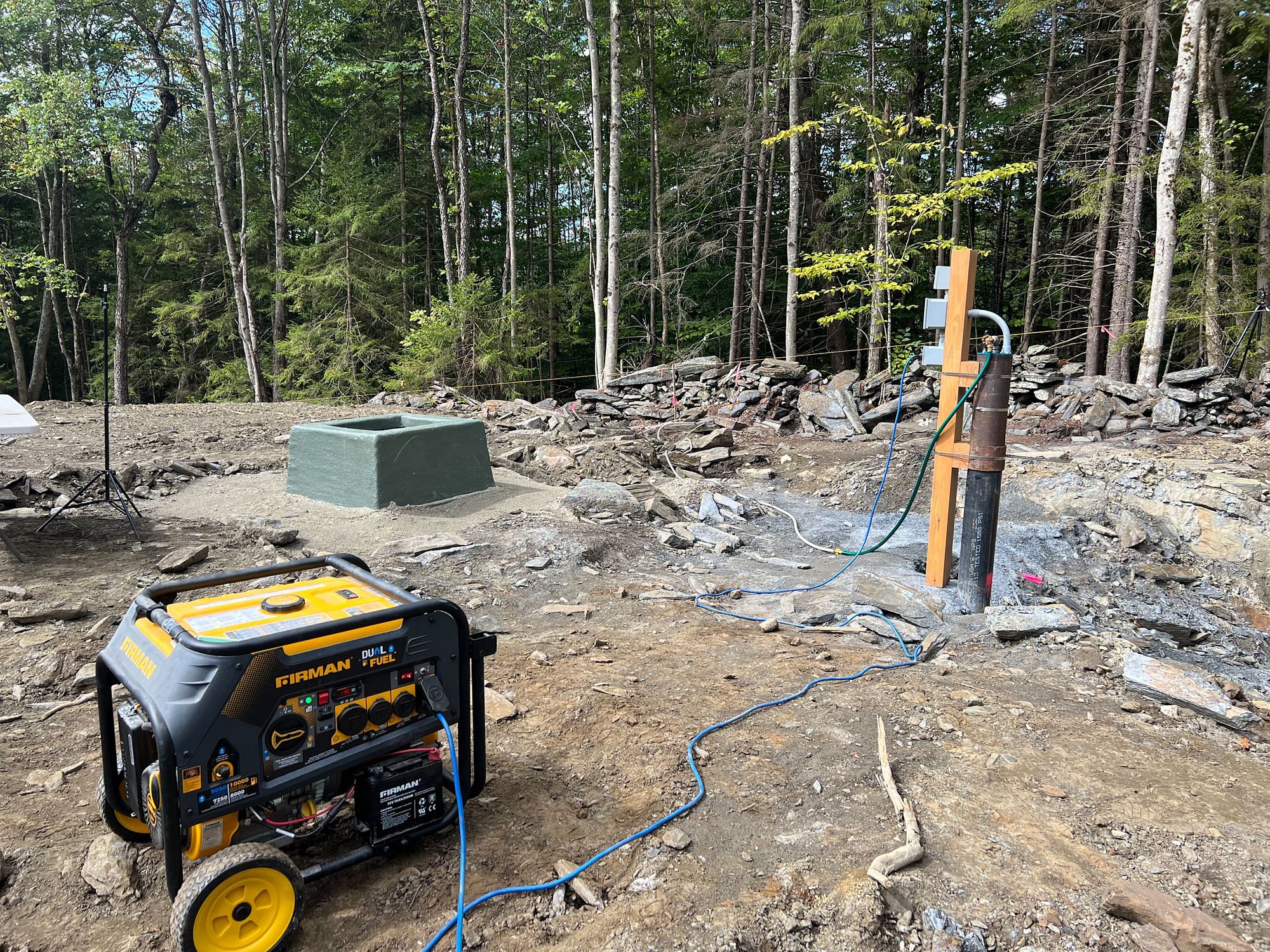
Real-world Example: Farm With Multiple Pumps
On a farm with several wells, you need a larger generator and careful planning. Suppose you have:
- One 1.5 HP submersible pump
- One 1 HP jet pump
- Water heater and lights
Total starting watts:
1.5 Hp Pump = 3500 Watts
1 Hp Pump = 2000 Watts
Water Heater = 4500 Watts
Lights = 500 Watts
Total = 10,500 Watts
You need a 12,000-watt generator and a transfer switch with dedicated circuits. Run only critical pumps at a time to avoid overload.
Credit: www.adventurousway.com
Legal And Code Requirements
Local electrical codes may require professional installation for transfer switches and generator hookups. Always check regulations in your area. Some codes require permits or inspections. Incorrect installation can void your insurance.
Environmental Considerations
Generators produce noise and exhaust. Place them away from living areas, windows, and wells. Never run a generator in a closed space, as carbon monoxide can build up. Use long cords if needed.
Practical Tips For Long-term Use
- Run generator monthly to keep it ready.
- Store fuel safely, away from heat.
- Label transfer switch for easy use.
- Keep spare parts: Spark plug, oil, air filter.
- Teach family members how to operate system.
Emergency Planning
During natural disasters, access to water is critical. Prepare ahead:
- Keep generator maintained.
- Store fuel and oil.
- Practice connecting system.
- Have backup water containers.
Maintenance Checklist
Keep your generator and pump working smoothly:
- Check oil and fuel before every use.
- Inspect cords for damage.
- Clean air filter monthly.
- Run generator under load every 30 days.
- Test transfer switch twice a year.
Frequently Asked Questions
How Do I Know What Size Generator I Need For My Well Pump?
Find your pump’s horsepower, voltage, and starting watts. Choose a generator with at least 20% more than the pump’s starting watts. For example, a 1 HP pump needing 2000 starting watts should use a 3000+ watt generator.
Is It Safe To Run A Well Pump And Other Appliances At The Same Time On A Generator?
It’s safe only if the generator can handle the total wattage. Always calculate the combined starting and running watts for all devices. Overloading can damage the generator or cause shutdown.
Can I Connect My Generator Directly To The Pump Without A Transfer Switch?
It is possible, but not recommended. Without a transfer switch, you risk backfeeding the grid, which is dangerous and illegal. Use a transfer switch for safety and reliability.
How Long Can I Run My Well Pump On A Generator?
Most generators can run a pump for hours, depending on fuel capacity. However, check the generator’s manual for maximum run times. Allow the generator to cool every 8–10 hours, and refill fuel as needed.
What Should I Do If My Generator Or Pump Stops Working During An Outage?
First, check fuel and oil levels. Inspect cords and connections. Test voltage output. If the pump still does not work, consult the user manual or call a licensed electrician. Never try to fix electrical issues in wet conditions.
Connecting your well pump to a generator is a smart way to ensure you always have water, no matter what happens to the power grid. With the right equipment, proper sizing, and safe installation, you’ll be prepared for storms, outages, and emergencies. Remember to use a transfer switch, follow local codes, and maintain your system regularly. For more technical details, visit Generac, a trusted source for generator safety and information. With good planning and these practical steps, your water supply will stay secure when you need it most.

Credit: www.reddit.com