
Living with a cat brings joy and comfort, but dealing with cat litter smell in an apartment can be a real challenge. Unlike houses, apartments have limited ventilation and less space, which makes odors stronger and harder to remove. If you’re tired of that lingering smell, you’re not alone. Many cat owners struggle to keep their homes fresh, but with the right strategies, you can enjoy both your pet’s company and a clean-smelling apartment.
This guide will show you proven steps and clever tricks to get rid of cat litter smell for good. You’ll learn why the odor happens, how to stop it at the source, and which products and habits make the biggest difference.
With practical advice and some non-obvious tips, you’ll finally have the confidence to invite guests without worrying about unpleasant smells.
Why Cat Litter Smell Happens In Apartments
Understanding the problem is the first step. Cat litter odor is a mix of ammonia from urine, bacteria from feces, and the dusty scent of the litter itself. In apartments, these smells often build up because:
- Limited airflow: Windows and vents are few, so odors don’t escape easily.
- Small spaces: Even a single litter box can affect the whole apartment.
- Multiple surfaces: Carpets, curtains, and furniture can absorb smells.
The problem gets worse in apartments because the air recirculates more, and there are fewer outdoor drafts to help clear the smell. Odors can also get trapped in HVAC systems, especially if the litter box is placed near air intakes.
In winter, when windows are kept closed, the smell can become even more noticeable. Another factor is that some apartments use wall-to-wall carpeting, which acts like a sponge for any stray waste or litter dust. Over time, the combination of these factors means that even small lapses in cleaning can have a big impact.
If you only mask the odor with sprays, it always comes back. The key is to tackle both the cause and the effect. That means removing waste quickly, cleaning surfaces, and making sure the air stays fresh.
Choosing The Right Cat Litter
Not all litters are equal. The type you use can make a big difference in smell control. Some are designed for easy scooping, while others focus on absorbing liquids. Your choice affects not just odor, but also your cat’s comfort and your cleaning routine.
Clumping Vs. Non-clumping
Clumping litter forms solid masses when wet, making it easier to remove urine and feces. Non-clumping litter absorbs moisture but doesn’t form clumps, so waste stays longer in the box and releases more odor.
Here’s a quick comparison:
| Type | Odor Control | Ease of Cleaning | Cost |
|---|---|---|---|
| Clumping | Excellent | Easy | Moderate |
| Non-Clumping | Poor to Good | Harder | Low |
| Silica Gel | Very Good | Easy | High |
| Natural (wood, corn) | Good | Moderate | Varies |
Clumping litter also tends to last longer because you can remove only the soiled parts. However, some cats may have allergies to the dust from clay-based clumping litters. If you notice sneezing or itchy eyes, try a low-dust formula.
Scented Vs. Unscented
Scented litters try to mask odor, but sometimes combine with cat waste to create a stronger, unpleasant smell. Unscented litters with good odor control (like activated charcoal) actually work better for sensitive noses. Cats themselves often prefer unscented varieties, as their sense of smell is much stronger than ours.
Some cats may even stop using the box if the scent is too strong. If you want to test a scented litter, introduce it gradually by mixing with your usual litter. Watch for any sign that your cat avoids the box.
Silica Gel And Natural Options
Silica gel crystals absorb moisture and odor, lasting longer between changes. Natural litters (wood, corn, wheat) can also control odor, but check if your cat likes them—some cats refuse to use new textures.
Silica gel is almost dust-free and lightweight, making it good for apartments with sensitive people or cats. However, it can be more expensive up front. Natural options are biodegradable and often safer to flush, but some break down faster and may need more frequent changing.
A non-obvious tip: When switching to a new litter, change just a small part at first. Mix the new and old litters for a few days. This helps your cat adjust and prevents accidents outside the box.
:max_bytes(150000):strip_icc()/GettyImages-1595747076-a024abe906354ca8a7e6fc64df27118d.jpg)
Credit: www.thespruce.com
Best Litter Box Placement For Odor Control
Where you place the litter box can help or hurt your battle against odors. Many people hide the box in a closet or small bathroom. But if the area is too closed, the smell concentrates.
Best practices:
- Choose a spot with good airflow but not direct drafts.
- Avoid placing the box near your bed or kitchen.
- Keep the box away from high-traffic areas to reduce stress for your cat.
If you must use a closet, keep the door slightly open, or cut a small cat door for easy access and air flow. Bathrooms are often chosen because of tile floors and easy cleaning, but humidity can make odors worse.
If your bathroom has a window or fan, use it daily.
Multiple Boxes For Multiple Cats
If you have more than one cat, use one box per cat plus one extra. This stops odors from building up in a single box and reduces territorial stress.
Also, try to place boxes in different rooms. Even in a small apartment, two separate boxes help by giving cats options and spreading out the odor. Never crowd boxes together—this can cause fights and lead to cats avoiding the box, which means more accidents and more smell.
Cleaning The Litter Box: How Often Is Enough?
Regular cleaning is the most important step in odor control. But what does “regular” really mean?
- Scoop solid waste and clumps at least twice a day.
- Change the entire litter once a week (more often if you have multiple cats or use non-clumping litter).
- Wash the box with mild soap and water every litter change. Avoid strong chemicals like bleach, which can bother your cat’s nose and make them avoid the box.
If you notice strong smells or your cat starts scratching at the sides instead of using the litter, it’s a sign you need to clean more often. In hot weather or humid climates, waste decays faster, so scoop more often.
For busy schedules, try setting reminders or use a self-cleaning box as a backup.
Extra Tips For Deep Cleaning
- Use a litter liner for easier cleaning, but only if your cat accepts it.
- Sprinkle a thin layer of baking soda at the bottom before adding new litter.
- Scrub the corners and edges where odor can hide.
Don’t forget to clean the scoop and the lid (if you use a covered box). These parts often collect hidden waste. Replace the scoop every few months if it gets stained or cracked.
A trick many miss: Dry the litter box completely before refilling. Moisture left after washing can mix with new litter and cause clumps, leading to faster odor build-up.
Ventilation: Fresh Air Is Your Friend
Apartments often have poor ventilation, making litter box smells stronger. Improving airflow is simple but very effective.
- Open windows for at least 10 minutes daily.
- Use a small fan near the litter area (not blowing directly on the box, which cats dislike).
- Consider an air purifier with a HEPA and carbon filter. These remove both particles and odor.
If your windows face a busy street and you worry about pollution, open them briefly during quiet hours, or use a fan to pull air out. Even a small bathroom exhaust fan running for 30 minutes a day can make a noticeable difference.
Air Purifier Comparison
Here’s how popular air cleaning options compare for odor control:
| Device | Removes Odor | Removes Dust | Noise Level | Cost |
|---|---|---|---|---|
| HEPA/Carbon Purifier | Excellent | Excellent | Low-Moderate | Moderate |
| Ionizer | Good | Good | Low | Low |
| Basic Fan | Poor | None | Low | Low |
| Dehumidifier | Fair | None | Low | Moderate |
If you’re sensitive to noise, check the decibel rating of the purifier before buying. Some models have a “night” mode for quiet operation.
Using Deodorizers And Odor Absorbers (do’s And Don’ts)
Many products promise to remove cat litter smell, but some simply mask it or can irritate your cat.
What Works
- Activated charcoal pouches: Absorb smells naturally and last up to 3 months.
- Baking soda: Cheap and safe, but use only a small amount to avoid dust.
- Zeolite crystals: Trap ammonia, reducing urine smell.
Place odor absorbers near the box but not inside the litter, unless the product is safe for cats. For example, activated charcoal bags can be hung near the litter area or placed under the box. Replace them when you notice the smell returning.
What To Avoid
- Strongly perfumed sprays or plug-ins: These often make the smell worse or cause your cat to avoid the litter box.
- Essential oils: Some are toxic to cats, including tea tree, citrus, and eucalyptus.
Never use products with phenols, as these can harm your cat’s liver. Even “natural” air fresheners aren’t always safe for pets.
For best results, use natural odor absorbers near (not inside) the litter area. If you want to try a new deodorizer, monitor your cat’s behavior for a few days.
Keeping The Litter Area Clean
Even if you clean the box, the area around it can hold odors.
- Sweep or vacuum spilled litter daily.
- Mop or wipe the floor weekly with a mild, unscented cleaner.
- Wash any mats or rugs near the box regularly.
Pro tip: Use a washable litter mat to trap dust and prevent tracking.
If you have a cat that digs aggressively, consider a high-sided box to reduce scatter. Clean behind and under the box at least once a week—dust and waste can collect in hard-to-see spots.
For tile or hard floors, a diluted vinegar solution works well for cleaning but rinse with water after to avoid strong smells.
Managing Cat Diet For Less Odor
What your cat eats affects the smell of their waste. Cheap foods with fillers can make urine and feces smell stronger. Switch to high-quality, protein-rich food for milder odor.
Choose a brand with real meat as the first ingredient and avoid corn or wheat fillers. If your cat’s stool is very soft or smelly, ask your vet about a diet change.
Hydration matters: Cats that drink more water have less concentrated urine, which smells less. Encourage drinking with a water fountain or multiple bowls.
If your cat is picky about drinking, try offering water in different places, or add a little tuna juice (in water, not oil) to encourage sipping.
Credit: www.catster.com
Changing Litter Box Type Or Design
Sometimes the box itself is the problem. Old, scratched plastic traps odors even after washing.
Covered Vs. Uncovered Boxes
Covered boxes hide waste, but trap smells inside. Some cats dislike them and may avoid using them, leading to accidents elsewhere. Open boxes allow better airflow, but may let more odor out.
If you choose a covered box, clean it more often and wash the lid weekly. For shy cats, a covered box may provide privacy but can also feel cramped. Try both types and see which your cat prefers.
Self-cleaning Boxes
Automatic litter boxes remove waste quickly, reducing odor. However, they are expensive and some cats are afraid of the noise.
Check reviews for how well the machine separates waste and if it works with your favorite litter. Some models require special litter or trays, which can add to the cost.
Litter Box Material
Plastic is standard but holds smells. Stainless steel boxes resist odor and are easier to clean, but cost more.
If you notice a persistent smell after cleaning, it might be time for a new box or a different material. Stainless steel lasts for years and doesn’t scratch as easily, so bacteria can’t hide.
Dealing With Odors In Carpets And Furniture
Sometimes litter smell escapes the box and ends up in your carpets or sofa. These soft surfaces trap and hold odors.
How To Remove Smell From Carpets
- Sprinkle baking soda over the area and let it sit for 30 minutes, then vacuum.
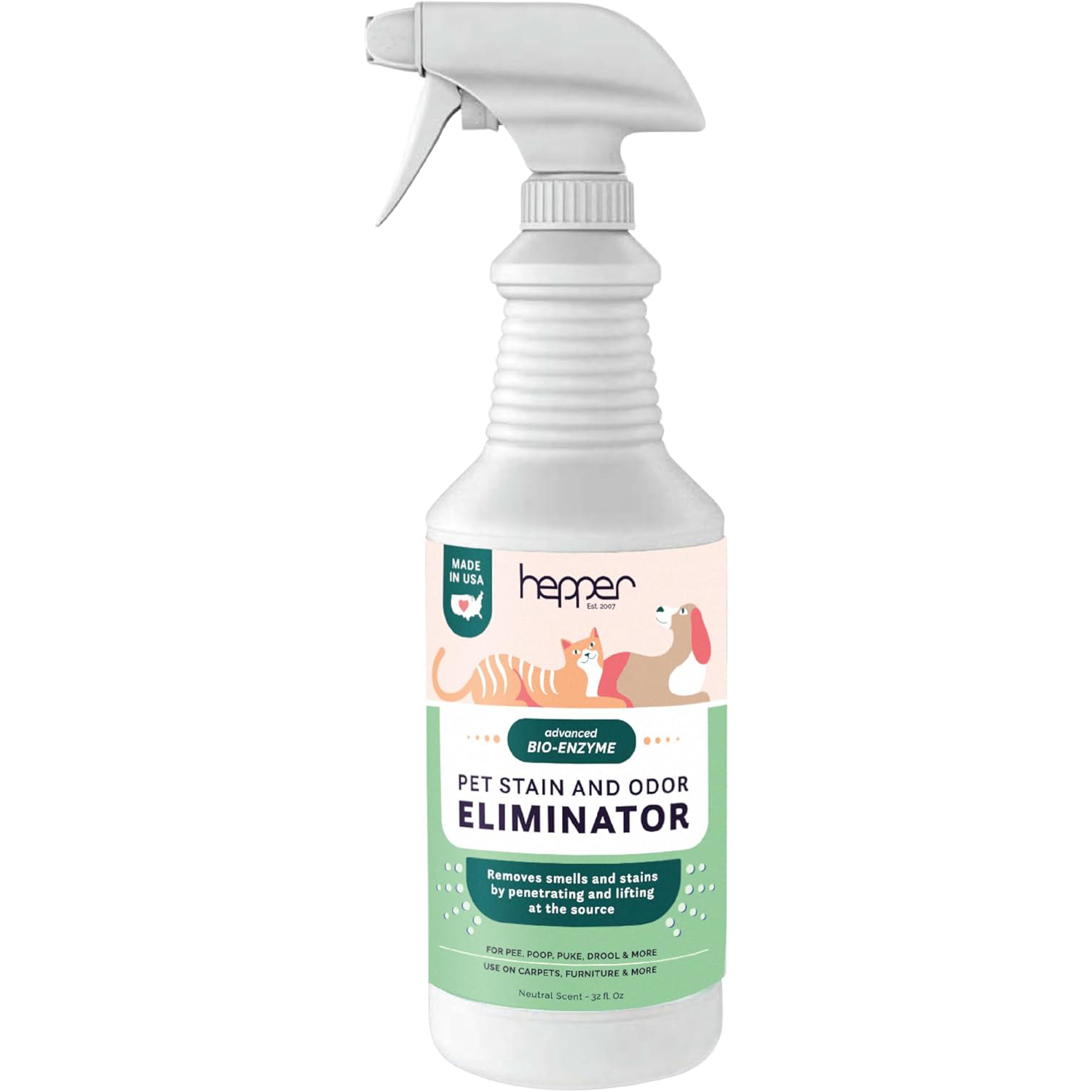
- Use an enzymatic cleaner for urine accidents. These break down the source of the smell.
- Steam cleaning works for deep odors, but test on a small area first.
For old stains, repeat the process several times. Enzymatic cleaners are available at pet stores and are safe for most fabrics.
Removing Odor From Upholstery
- Use a fabric-safe enzymatic spray.
- Wash removable covers in hot water.
- Air out cushions in the sun if possible.
Sunlight can help neutralize odors and kill bacteria. For stubborn smells, use a handheld steam cleaner, but don’t over-wet the fabric.
Hidden tip: A UV flashlight can help you spot old urine stains that still cause smells.
UV lights are inexpensive and make invisible stains visible, so you can treat only the affected spots.
Habits To Reduce Cat Litter Smell
Small daily habits make a big difference:
- Scoop clumps morning and evening.
- Check litter box liner or bottom for stuck waste.
- Replace the litter more often than you think is necessary.
- Wash your hands after handling the box to avoid spreading odor.
Some cat owners skip cleaning when busy, but this allows smells to build up quickly—especially in warm, humid weather.
If you’re away from home for a day or two, ask a friend to scoop the box. Even 24 hours without cleaning can make your apartment smell strong.
When To Replace The Litter Box
Plastic boxes should be replaced every 6-12 months. Even with regular cleaning, scratches and grooves trap bacteria and odor.
Signs It’s Time For A New Box
- Persistent odor even after deep cleaning
- Visible stains or cracks
- Your cat starts avoiding the box
If your cat starts “missing” the box or peeing just outside it, check for damage or stains inside. Sometimes, just replacing the box solves the problem.
Cats And Litter Box Training: Avoiding Accidents
Accidents outside the box make odor problems worse. Make sure your cat is comfortable with the box:
- Choose a box that’s the right size for your cat.
- Place it in a quiet, private area.
- Don’t punish cats for accidents—this can create more problems.
If accidents continue, check for medical issues or stress. Older cats or those with arthritis may need a box with lower sides for easy access.
If you’ve recently moved or changed litter, accidents can happen. Be patient and encourage good habits with treats and praise.
Non-obvious Insights For Odor Control
Most guides miss these two important points:
- Humidity increases odor: In humid climates or seasons, cat urine evaporates slower and smells linger longer. Use a dehumidifier near the litter box to keep the air dry and fresh. Even a small portable unit can help in a bathroom or closet.
- Litter depth matters: Too little litter means urine reaches the bottom, causing strong smells. Too much litter wastes product and makes scooping harder. The ideal depth is about 2-3 inches—enough to absorb, but not overflow.
Also, avoid using newspaper under the litter. While it can absorb leaks, it often creates a musty smell that mixes with litter odor.
Odor Control Myths To Ignore
Some common tips actually do more harm than good:
- Using air fresheners directly in the litter box (can irritate your cat)
- Cleaning with bleach (mixes with ammonia and creates dangerous fumes)
- Switching litters too often (can cause your cat to avoid the box)
Focus on removing the source, not just hiding the smell. If you want a quick fix before guests arrive, open windows and use a fan to blow air out, not just around.
Setting Up A Cat-friendly, Odor-free Apartment
Combining all these steps creates a routine that keeps your home fresh. Here’s a sample weekly plan:
- Daily: Scoop clumps, sweep area, check for spills.
- Every 2-3 days: Top up litter, wipe box rim.
- Weekly: Change all litter, wash box, mop floor, wash mats.
- Monthly: Deep clean area, check box for damage, replace odor absorbers.
Unexpected benefit: These habits also make your cat happier and healthier.
A well-cared-for litter box helps prevent urinary problems and reduces the risk of accidents, which means less work and less odor for you.

Credit: www.purrify.ca
Quick Reference: Effective Vs. Ineffective Odor Solutions
To help you choose the best methods, here’s a final comparison:
| Solution | Effectiveness | Risks | Cost |
|---|---|---|---|
| Clumping litter | High | Low | Moderate |
| Daily scooping | Very High | None | None |
| Air purifier | High | None | Moderate |
| Perfumed sprays | Low | Possible irritation | Low |
| Enzymatic cleaner | High (for accidents) | None | Moderate |
| Baking soda | Moderate | Dust if overused | Low |
| Covered box | Moderate | Odor build-up | Low |
| Stainless steel box | Very High | None | High |
Frequently Asked Questions
Why Does My Apartment Still Smell Even After Cleaning The Litter Box?
Odor can linger in soft surfaces like carpets and furniture, or in the plastic of an old litter box. Check for spills, wash nearby fabrics, and consider replacing the box if it’s scratched or stained. Also, check ventilation and air flow—sometimes, cleaning alone isn’t enough if stale air is trapped.
Is It Safe To Use Air Fresheners Around The Litter Box?
Most air fresheners only mask the smell and can irritate your cat’s sensitive nose. Use natural odor absorbers like activated charcoal instead, and make sure the area is well-ventilated. Avoid plug-ins and sprays that release chemicals.
How Often Should I Replace Cat Litter To Control Odor?
Scoop waste daily and replace all litter every week (or sooner for multiple cats). Some silica gel litters can last longer, but always follow the product’s instructions and your nose. If you notice odor before the week is over, change litter more often.
What Type Of Litter Is Best For Odor Control In Apartments?
Clumping clay litter and silica gel crystals are top choices for odor control. Unscented varieties with activated charcoal work well for apartments with limited airflow. If you have allergies, try low-dust formulas.
Can Changing My Cat’s Diet Help Reduce Litter Box Odor?
Yes. A high-protein, low-filler diet produces less smelly waste. Also, keeping your cat hydrated makes their urine less concentrated, which helps minimize odor. Talk with your vet before making big changes to your cat’s diet.
Living with a cat in an apartment doesn’t mean you have to accept unpleasant smells. By choosing the right products, cleaning regularly, and making a few smart changes, you can keep your home fresh and comfortable for both you and your pet. For more on cat hygiene and odor control, you can visit trusted sources like the ASPCA’s cat care page.
With a little effort, your apartment can stay welcoming and odor-free—so you and your cat can both enjoy your space to the fullest.