
A Hydro Flask with a Flex Straw Lid is more than just a water bottle—it’s a loyal companion for hikes, gym sessions, school, and office days. But like any reusable bottle, it needs regular cleaning. If you’ve ever noticed a strange taste, a musty smell, or cloudy spots on your Flex Straw Lid, you’re not alone.
Many people don’t realize how fast bacteria and mold can grow inside straws and lids. Cleaning might sound simple, but Flex Straw Lids have hidden spots where grime hides. This guide will show you how to clean your Hydro Flask Flex Straw Lid thoroughly, keep it safe to use, and extend its life.
You’ll also learn tips that most beginners miss and how to avoid common mistakes.
Why It’s Important To Clean Your Flex Straw Lid
Many users clean their bottle but forget the straw lid. This is a problem. The Flex Straw Lid touches your mouth every time you drink. Warm, damp spots in the straw and lid are perfect for bacteria and mold. If you don’t clean it well, you risk:
- Bad smells and tastes: Old water, coffee, or juice can leave residue.
- Health risks: Mold, bacteria, and yeast can grow quickly.
- Reduced bottle life: Sticky or clogged straws can break or leak.
Studies show that reusable water bottles can contain hundreds of thousands of bacteria per square centimeter—sometimes more than a dog’s water bowl! Regular cleaning is the only way to keep your bottle safe.
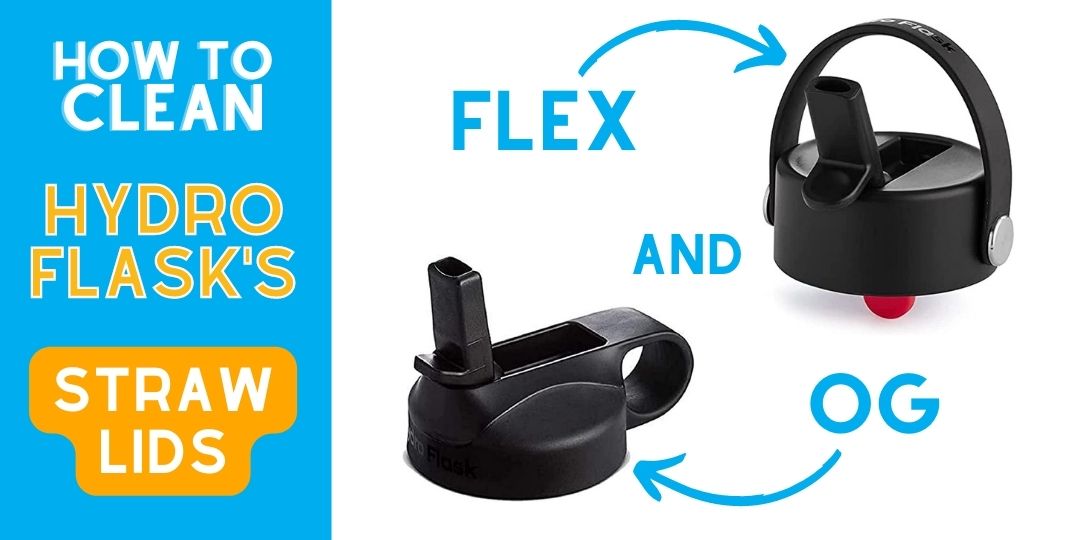
Understanding The Hydro Flask Flex Straw Lid
Before cleaning, it’s important to know the parts of the Flex Straw Lid. This helps you clean every spot and reassemble it correctly.
Key Parts Of The Flex Straw Lid
- Straw: The long tube that brings liquid from the bottle to your mouth.
- Lid body: The main cap, which screws onto the bottle.
- Mouthpiece: The soft part you sip from.
- Straw connector: Where the straw attaches to the lid.
- Carrying handle: The flexible strap.
- Gaskets/O-rings: Small rubber seals that prevent leaks.
Some people miss the gaskets or don’t remove the straw. Bacteria often hide here. Make sure you recognize and clean every part.
Materials And Cleaning Challenges
The lid and straw are made of BPA-free plastic and food-grade silicone. These are safe but can trap odors and stains. Silicone is flexible but absorbs flavors. Plastic can get cloudy or scratched if you use harsh brushes. Knowing the material helps you choose the right cleaning tools.
Credit: www.bottlepro.net
What You Need For Cleaning
Gather your supplies before you start. Using the right tools makes cleaning easier and protects your lid.
Essential Cleaning Tools
- Mild dish soap: Avoid strong chemicals or bleach.
- Straw brush: A narrow brush that fits inside the straw.
- Small bottle brush or toothbrush: For lid crevices.
- Clean sponge or cloth: For wiping the outside.
- Baking soda: For removing tough odors.
- White vinegar: For disinfecting and removing stains.
- Warm water: Never use boiling water, which can warp plastic.
- Toothpick or cotton swab: For tiny nooks.
- Drying rack or clean towel: For air drying.
Many beginners skip the straw brush. This is a mistake, as the inside of the straw is where most buildup happens.
Optional Items
- Hydro Flask cleaning tablets: Designed for bottles and lids.
- Bottle sterilizer: For deep cleaning.
- Silicone-safe sanitizer spray: For a quick refresh.
Step-by-step: How To Clean Your Hydro Flask Flex Straw Lid
Let’s break down the process. With practice, a basic cleaning takes just 5 minutes. A deep clean is needed every 1–2 weeks, depending on use.
1. Disassemble The Lid
Remove the lid from your Hydro Flask. Take the straw out by gently pulling it from the connector. Some lids have a detachable mouthpiece—check if yours does and remove it. Take off any gaskets or O-rings if possible.
If you’ve never taken the lid apart, check the Hydro Flask website or manual. Don’t force parts if they feel stuck; wiggle gently.
Pro tip: Take a photo of your lid before you take it apart. This helps you remember how to reassemble it.
2. Rinse All Parts
Hold each piece under warm running water. This removes loose dirt and old liquid. Don’t use hot water straight from the kettle, as this can bend the straw or warp the lid.
3. Wash With Soap
Add a few drops of mild dish soap to a bowl of warm water. Place all parts in the bowl. Let them soak for 2–3 minutes.
Use the straw brush to scrub inside the straw. Move the brush back and forth several times. Twist to clean all sides.
Scrub the lid, mouthpiece, and connectors with a small bottle brush or toothbrush. Pay extra attention to grooves and the area where the straw attaches.
Use a sponge or cloth for the outside of the lid and the carrying handle.
4. Clean Gaskets And O-rings
Rub gaskets and O-rings with your fingers in soapy water. If you see any black spots (mold), soak them in a mix of vinegar and water for 5–10 minutes, then rinse and scrub gently.
These small seals are often forgotten. If not cleaned, they can cause leaks and bad smells.
5. Rinse Thoroughly
Rinse every part under clean, warm water. Make sure all soap is washed away, especially inside the straw.
Insider tip: Hold the straw up to the light. If you see cloudy spots or residue inside, scrub again with the brush.
6. Deep Clean (optional, Every 1–2 Weeks)
If you notice odors, stains, or haven’t cleaned in a while, do a deep clean:
- Fill a bowl with 1 part white vinegar and 3 parts warm water.
- Soak all parts for 15–20 minutes.
- For stubborn stains or smells, sprinkle baking soda inside the straw and mouthpiece. Scrub with the straw brush.
- Rinse well. Vinegar and baking soda can leave a taste if not removed fully.
7. Dry Completely
Lay all parts on a clean towel or drying rack. Air drying is best, as towels can transfer lint or bacteria. Make sure the straw and inside of the lid are fully dry before reassembling.
Moisture left inside the lid is the main reason for mold growth. Never store or reassemble your lid while it’s still wet.
8. Reassemble Carefully
Once everything is dry, put the gaskets and O-rings back in place. Attach the straw, mouthpiece, and lid. Make sure every part is secure.
Double-check for leaks by filling your bottle with water and turning it upside down. If you see drips, check the gaskets and tighten all connections.
Credit: www.youtube.com
How Often Should You Clean The Flex Straw Lid?
Cleaning frequency depends on how you use your bottle:
- Daily use (water only): Quick clean every 1–2 days, deep clean weekly.
- Juice, smoothies, or milk: Clean after every use and deep clean weekly.
- Outdoor use (hiking, gym): Clean after every trip.
If you notice any smell, taste, or mold, clean immediately. Don’t wait for your next scheduled cleaning.
Common Mistakes To Avoid
Many users make simple errors that shorten their lid’s life or make cleaning less effective.
1. Skipping The Straw Brush
A straw brush is essential. Rinsing alone does not clean inside the straw. Even clear water leaves minerals and bacteria over time.
2. Not Removing Gaskets
Gaskets trap water and bacteria. If you never remove and clean them, your lid will smell or leak.
3. Using Harsh Cleaners
Bleach, strong detergents, or boiling water can damage plastic and silicone. Use mild soap, vinegar, and baking soda only.
4. Not Drying Properly
Moisture is the enemy. Always air dry completely before storing or reassembling your lid.
5. Forgetting To Check For Damage
Check for cracks, loose seals, or worn gaskets every time you clean. Damaged parts can cause leaks or make cleaning impossible.
Deep Cleaning Methods For Stubborn Odors And Stains
Sometimes, regular cleaning isn’t enough. If your lid has a strong odor, visible mold, or stubborn stains, try these advanced methods.
Vinegar Soak
Mix equal parts white vinegar and water. Soak all lid parts for 1 hour. Scrub with brushes and rinse well.
Baking Soda Paste
Mix baking soda with a few drops of water to make a paste. Apply to stains or smelly spots. Scrub gently, then rinse.
Denture Tablets
Some users drop a denture-cleaning tablet in a bowl of water and soak their straw and lid. These break down residue and kill germs. Rinse very well afterward.
Hydrogen Peroxide
For tough mold, dilute 3% hydrogen peroxide with water (1:1). Soak for 10 minutes, scrub, and rinse. Only use occasionally, as it can weaken silicone if used too often.
Uv Sterilizer
If you have a UV sterilizer (like those for baby bottles), you can use it for your lid and straw. This kills bacteria without chemicals.
Comparing Cleaning Methods
Here’s a quick look at different cleaning options:
| Method | Best For | Time Needed | Pros | Cons |
|---|---|---|---|---|
| Soap & Water | Daily cleaning | 5 min | Easy, safe | May miss tough stains |
| Vinegar Soak | Odors, bacteria | 20-60 min | Natural, effective | Strong smell, needs rinse |
| Baking Soda Paste | Stains, smells | 10 min | Gentle, deodorizes | Can leave residue |
| Denture Tablets | Deep clean | 30 min | Kills germs, easy | Extra cost, rinse well |
| Hydrogen Peroxide | Mold | 10 min | Strong disinfectant | Can damage silicone |
Choose the method that fits your needs. For most people, soap and water plus a weekly vinegar soak is enough.
Tips For Keeping Your Flex Straw Lid Clean Longer
Regular cleaning is important, but a few habits can keep your lid fresher between washes.
- Rinse after every use: Even if you only drink water, rinse the straw and lid before refilling.
- Let air dry: Store your bottle and lid with the cap off. This stops moisture from building up.
- Avoid sugary drinks: Juices and smoothies leave sticky residue. If you use them, clean immediately.
- Check for hidden spots: Use a toothpick or cotton swab to clean tiny crevices.
- Replace worn parts: Gaskets and straws wear out. Buy replacements from Hydro Flask if needed.
When To Replace Your Flex Straw Lid
Even with perfect cleaning, parts eventually wear out. Here’s when to consider a new lid or parts:
- Cracked or warped straw: Hard to clean, may leak.
- Mold inside the straw that won’t come out: Safer to replace.
- Loose or missing gasket: Causes leaks.
- Permanent stains or odors: If cleaning doesn’t help.
Hydro Flask sells replacement straws and lids. Don’t risk your health by keeping damaged parts.

Credit: www.hydroflask.com
Real-world Example: Cleaning Frequency And Results
Jane, a college student, used her Hydro Flask daily for water and coffee. She cleaned the bottle but only rinsed the straw lid. After two months, she noticed a sour smell and found black spots inside the straw. After following the deep cleaning steps with vinegar and baking soda, the smell disappeared, and her bottle tasted fresh again.
Now, she deep cleans her lid every week and hasn’t had a problem since.
Comparing Hydro Flask Flex Straw Lid To Other Lids
The Flex Straw Lid is popular for its easy sipping, but cleaning is more involved compared to other Hydro Flask lids.
| Lid Type | Cleaning Difficulty | Parts to Clean | Common Problems |
|---|---|---|---|
| Flex Straw Lid | Medium | Straw, lid, gaskets | Mold, odors in straw |
| Standard Flex Cap | Easy | Cap, gasket | Stains, leaks |
| Wide Mouth Straw Lid | Medium | Straw, mouthpiece | Odors, leaks |
| Sports Cap | Medium | Nozzle, gasket | Mold in nozzle |
Straw lids require more cleaning but offer easier drinking. If cleaning is too much, you can switch to a simpler lid for some activities.
How To Store And Maintain Your Hydro Flask Flex Straw Lid
Proper storage and care help your lid last longer and stay cleaner.
Storage Tips
- Store with the lid off or loose so air can circulate.
- Never store your bottle with liquid inside for long periods.
- Keep out of direct sunlight, which can damage plastic and silicone.
Maintenance Tips
- Check for cracks or worn parts during every clean.
- Replace gaskets yearly or when they stretch.
- Order official Hydro Flask replacement parts for best fit.
Safety Tips And What To Avoid
Cleaning is important, but safety comes first.
- Don’t microwave any part of the straw lid. Plastic and silicone can melt or release chemicals.
- Don’t use bleach or harsh chemicals. These can damage the materials and are unsafe for drinking.
- Don’t leave parts soaking for days. Long soaks can weaken silicone and plastic.
- Don’t put the straw in the dishwasher unless the manual says it’s safe. High heat can warp the straw.
Eco-friendly Cleaning Options
If you care about the environment, you can use natural cleaners.
- Vinegar and baking soda are safe and biodegradable.
- Use a reusable straw brush instead of disposable cleaners.
- Air dry to save energy.
Many people think you need special chemicals, but natural solutions work well and protect your health and the planet.
Where To Find Official Cleaning Guides
For the latest tips and replacement parts, check the official Hydro Flask website. They have detailed guides for every lid type and sell certified replacement parts.
If you want more science about cleaning or plastic safety, visit the CDC’s cleaning guide for household water containers.
Frequently Asked Questions
Can I Put My Hydro Flask Flex Straw Lid In The Dishwasher?
Most Flex Straw Lids are top-rack dishwasher safe, but check your manual to be sure. The straw itself should be washed by hand, as high heat can warp it. Always remove gaskets before dishwashing.
How Do I Get Rid Of A Bad Smell In My Straw Lid?
Soak all parts in a mix of vinegar and water for 20–30 minutes. Scrub with a straw brush, rinse well, and air dry. Baking soda also helps remove stubborn odors.
Is It Safe To Use Bleach To Clean The Lid?
No. Bleach is too harsh for plastic and silicone and can leave harmful residue. Use mild dish soap, vinegar, or baking soda instead for safe cleaning.
How Often Should I Replace The Straw Or Gaskets?
Check every few months. Replace if you see cracks, mold, or leaks that cleaning can’t fix. Most users change gaskets once a year.
Can I Use My Flex Straw Lid For Hot Drinks?
No. The Flex Straw Lid is designed for cold or room temperature drinks only. Hot liquids can warp the straw, cause leaks, or burn your mouth.
Taking good care of your Hydro Flask Flex Straw Lid pays off with better taste, safer drinking, and a longer-lasting bottle. With the right habits and cleaning steps, you’ll enjoy fresh water every day—without hidden risks.