
Keeping your glass washer in top condition is not just about looking clean on the outside. Glass washers are crucial in bars, restaurants, hotels, and even at home, ensuring every glass sparkles and is safe to use. Over time, dirt, limescale, detergent residue, and even mold can build up inside.
This can affect both performance and hygiene. Many people think a quick wipe or a rinse is enough. But to keep your glasses truly spotless—and your machine running longer—a deep clean is essential.
Deep cleaning a glass washer doesn’t have to be intimidating. With the right steps and a bit of time, you can make your machine almost like new again. This guide gives you a complete, step-by-step approach, whether you’re a business owner, a bar manager, or just want the best for your home glassware.
You’ll learn which tools and products to use, how to avoid common mistakes, and even how to spot issues before they become big problems. Let’s get started with everything you need to know about deep cleaning a glass washer.
Why Deep Cleaning Your Glass Washer Matters
A glass washer does more than wash away visible dirt. It has to remove oils, lipstick, and bacteria that regular washing might miss. Over time, small problems can lead to big issues:
- Cloudy glasses: Mineral deposits and detergent residue can make glassware look dirty, even when it’s clean.
- Bad smells: Mold and mildew love damp, warm spaces inside machines.
- Poor performance: Blocked jets and clogged filters reduce washing power.
- Machine breakdowns: Limescale and dirt can damage pumps and heating elements.
- Health risks: Bacteria and mold can build up, especially in neglected machines.
The good news is, a proper deep clean tackles all these problems. It also helps you save money on repairs and energy. A well-maintained glass washer uses less power and water, and glassware lasts longer because it’s not scratched by grit or residue.
Tools And Materials You Will Need
Before you start, gather the right supplies. Using the correct tools can make a big difference in how effective your deep clean is.
- Rubber gloves: Protect your hands from hot water and chemicals.
- Soft brushes: Non-metal, bottle-style brushes work for jets and corners.
- Old toothbrush: Great for hard-to-reach spots.
- Microfiber cloths: Lint-free, perfect for drying and wiping surfaces.
- Bucket: For soaking parts.
- Screwdriver: If your machine needs panels removed (check your manual).
- White vinegar or citric acid: Helps dissolve limescale.
- Dishwasher-safe degreaser: Cuts through oil and protein build-up.
- Descaling solution: Removes mineral deposits.
- Mild detergent: For general cleaning.
- Spray bottle: For applying cleaning solutions.
- Pipe cleaners: Handy for small jets or tubes.
- Replacement filters: In case your filter is too clogged or damaged.
Choosing The Right Chemicals
Always check your glass washer’s manual for recommended cleaners. Some machines can be damaged by harsh chemicals or bleach. Vinegar is a safe choice for most, but commercial descalers are stronger for heavy build-up. Don’t mix products—use one at a time and rinse well.
Credit: www.drivenbydecor.com
Preparing Your Glass Washer For Deep Cleaning
A good clean starts with the right preparation. Here’s how to get your machine ready:
- Unplug the machine: Safety first! Turn off the power at the wall. Some machines also have a water switch—turn this off too.
- Empty the washer: Remove all glasses, racks, and loose items.
- Let it cool down: Hot surfaces can burn or splash hot water and chemicals.
- Open all panels: If your model allows, open side and back panels for better access. Use a screwdriver if needed, but never force anything.
- Check for visible issues: Look for leaks, loose wires, or broken parts. Fix these before you start cleaning.
Preparing well means you won’t miss hidden dirt or damage. It’s also safer and faster.
Step-by-step Guide To Deep Clean A Glass Washer
Now, let’s break down the deep cleaning process into clear, manageable steps. Each step is important for a thorough job.
1. Remove And Clean All Removable Parts
Take out all racks, trays, filters, and spray arms. These parts collect the most dirt.
- Soak racks and trays in hot water mixed with mild detergent.
- Scrub with a soft brush or cloth. Pay attention to corners and joints.
- Remove the filter(s) and soak in a degreaser if greasy.
- Rinse everything well and dry before replacing.
Tip: Check spray arms for blockages. Even a small bit of debris can reduce cleaning power. Use a toothpick or pipe cleaner to unclog holes.
2. Descale The Interior
Limescale is a big problem, especially in hard water areas. It looks like white, chalky deposits on metal and plastic.
- Mix equal parts white vinegar and water (or use a commercial descaler as directed).
- Pour the solution into the machine’s base or designated descaling compartment.
- Run a short, hot wash cycle without dishes to spread the solution.
- Let the solution sit for 15–30 minutes.
- Drain and rinse with clean water by running another cycle.
Insight: Descaling isn’t just for looks. Limescale can coat heating elements, making them work harder and use more energy.
3. Deep Clean The Spray Arms
Spray arms are the “heart” of your glass washer. If they’re blocked, nothing gets clean.
- Remove the arms if possible (check your manual).
- Soak in vinegar solution for 20 minutes.
- Use pipe cleaners or a brush to clean out the spray holes.
- Rinse and shake out any loose debris before putting them back.
Beginner mistake: Many people forget to clean both the top and bottom arms. Both are equally important for even cleaning.
4. Scrub The Interior Surfaces
Residue and bacteria can hide in corners, seals, and under gaskets.
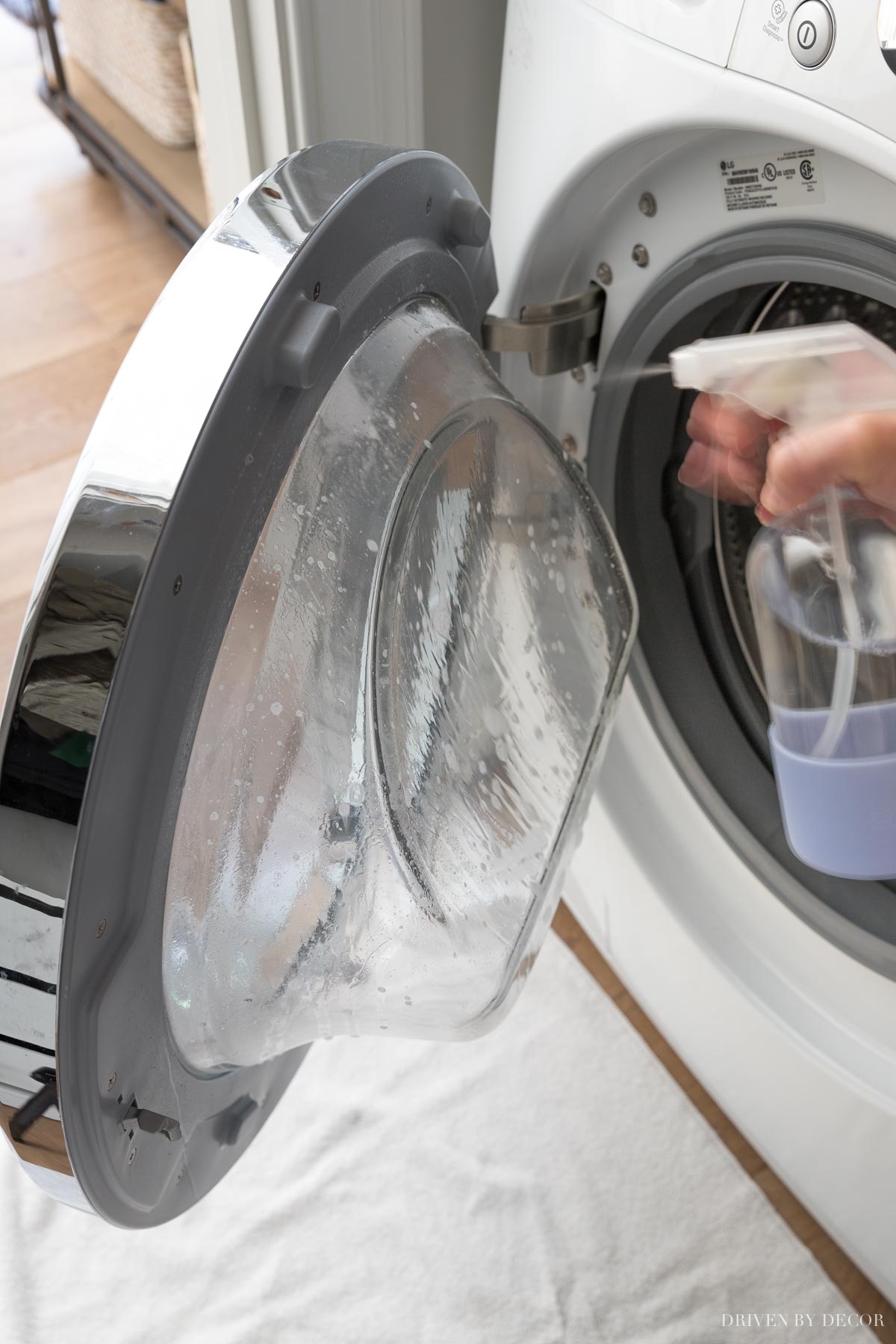
- Spray the inside with a degreaser or vinegar solution.
- Use a soft brush or sponge to scrub all surfaces, especially around the door and seals.
- Wipe down with a damp microfiber cloth.
Don’t miss: The door seal and edges. These are common spots for mold and mildew.
5. Clean The Filter System
Filters trap food, glass chips, and dirt. A clogged filter means dirty water circulates inside.
- Remove the filter and soak in hot, soapy water.
- Scrub gently but thoroughly.
- Rinse and check for tears or damage.
- Replace if needed.
Pro tip: If your filter is reusable, clean it every week. If it’s disposable, replace it as recommended by the manufacturer.
6. Clean Drains And Drain Lines
A slow or smelly drain is a sign it needs attention.
- Locate the drain cover and remove it.
- Use a brush or pipe cleaner to clear out any sludge or debris.
- Pour boiling water down the drain.
- For stubborn odors, add a cup of baking soda followed by a cup of vinegar, then flush with hot water.
Insider advice: If your glass washer drains into a separate grease trap, clean that too—grease can back up and cause smells.
7. Wipe The Exterior
A clean outside helps prevent dirt from getting inside.
- Use a damp microfiber cloth with mild detergent.
- Wipe control panels, handles, and doors.
- Dry with a soft towel.
Extra step: Clean under the machine if possible. Spilled detergent or broken glass can cause accidents or attract pests.
8. Reassemble And Run A Rinse Cycle
Put all parts back. Make sure everything clicks or screws in tightly.
- Run an empty, hot rinse cycle to flush out any leftover cleaning solution.
- Check for leaks or strange noises.
Beginner insight: Many people skip the rinse cycle, which can leave behind chemicals that taste or smell bad.
9. Disinfect (optional But Important)
For extra hygiene, especially in busy bars or restaurants:
- Use a commercial food-safe sanitizer.
- Run a short cycle with sanitizer only.
- Rinse thoroughly.
Caution: Always follow the sanitizer’s instructions and check your machine’s manual for compatibility.
How Often Should You Deep Clean Your Glass Washer?
Cleaning frequency depends on usage:
- Daily: Rinse filters and wipe visible dirt.
- Weekly: Clean spray arms, filters, and seals.
- Monthly: Full deep clean as described above.
- Hard water areas: Descale every 2–4 weeks.
Busy bars or restaurants may need more frequent cleaning. Home users can usually deep clean once a month.
Signs Your Glass Washer Needs A Deep Clean
Not sure if it’s time? Watch for:
- Cloudy or streaky glasses
- Unpleasant smells
- Slower wash cycles
- Water pooling inside
- Loud or strange noises
If you notice any of these, clean your machine as soon as possible.
Common Mistakes To Avoid When Deep Cleaning
Many users make simple errors that can damage their glass washer or make cleaning less effective.
- Using harsh chemicals: Bleach and abrasive cleaners can corrode parts and seals.
- Skipping the filter: A dirty filter makes all cleaning less effective.
- Not rinsing enough: Leftover chemicals can affect taste and safety.
- Forgetting hidden parts: Gaskets, corners, and spray arms must be cleaned too.
- Ignoring leaks or damage: Always fix small problems before they get worse.
Non-obvious insight: Even “self-clean” cycles need manual cleaning sometimes. Don’t rely on automatic programs alone.

Credit: www.webstaurantstore.com
Comparing Cleaning Solutions: Vinegar Vs. Commercial Descalers
For deep cleaning, should you use white vinegar or a commercial descaler? Here’s a quick comparison to help you decide:
| Feature | White Vinegar | Commercial Descaler |
|---|---|---|
| Price | Low | Medium to High |
| Effectiveness | Good for light build-up | Best for heavy limescale |
| Safety | Very safe for most machines | Check compatibility |
| Smell | Lingering vinegar scent | Usually no smell |
| Environmental impact | Eco-friendly | Varies by brand |
If you have heavy limescale, a commercial descaler works faster. For regular maintenance, vinegar is a safe, eco-friendly choice.
Deep Cleaning Different Types Of Glass Washers
Not all glass washers are built the same. The deep cleaning process is similar, but some details change depending on your model.
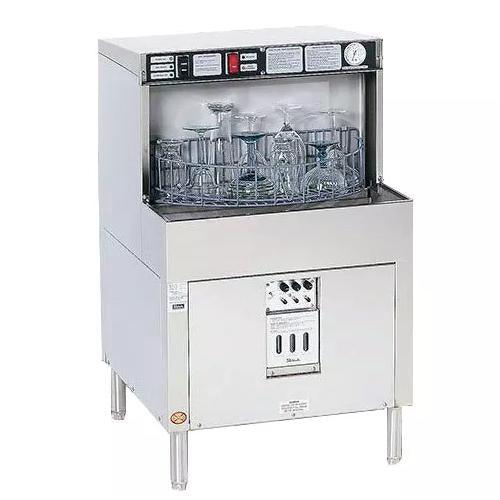
Undercounter Glass Washers
Common in bars and small restaurants. These look like small dishwashers.
- Usually have removable spray arms and filters.
- Access is easy, but check the manual before removing panels.
- Pay attention to the door seals and edges.
Conveyor Glass Washers
Used in busy venues for high volumes of glassware.
- Have multiple sections: Loading, washing, and unloading.
- Each section needs cleaning, especially the conveyor belt.
- Clean the conveyor chains or rollers with a brush and check for stuck debris.
Rotary Glass Washers
Glasses rotate in a basket while jets spray from below.
- Remove the basket and soak separately.
- Check the rotating mechanism for dirt or broken pieces.
- Clean the area under the basket carefully.
Tip: Always check your model’s manual for specific parts and cleaning advice.
Troubleshooting Persistent Problems After Deep Cleaning
Sometimes, even after a deep clean, problems continue. Here’s how to troubleshoot:
- Cloudy glassware
- Check water hardness and adjust detergent.
- Rinse aid might be needed.
- Test by washing a glass by hand—if it’s still cloudy, it’s the water, not the machine.
- Bad smells
- Clean drain lines and grease traps.
- Run an empty cycle with baking soda.
- Poor cleaning performance
- Check for blocked jets.
- Make sure you’re not overloading the washer.
- Machine leaks
- Inspect seals and hoses for cracks.
- Tighten all connections.
If these steps don’t help, call a professional technician. Sometimes, worn-out parts need replacement.
Keeping Your Glass Washer Clean Between Deep Cleans
You don’t have to wait for a big clean to keep your machine in good shape. Simple daily habits make a big difference.
- Wipe the door and seals after each use.
- Empty and rinse the filter every day.
- Leave the door slightly open after use to air dry and prevent mold.
- Use the right detergent—never regular dish soap.
- Check for leaks or spills and clean them up immediately.
These habits prevent build-up and make deep cleaning easier and faster.
Credit: www.nellaonline.com
Data: The Impact Of Regular Deep Cleaning
Why is regular deep cleaning so important? Let’s look at some data from commercial kitchens:
| Cleaning Frequency | Average Machine Lifespan | Breakdown Rate | Glassware Rewash Rate |
|---|---|---|---|
| Weekly deep clean | 7 years | Low (1/year) | 2% |
| Monthly deep clean | 5 years | Medium (3/year) | 7% |
| Rarely deep cleaned | 3 years | High (6/year) | 20% |
Regular cleaning extends machine life, reduces breakdowns, and means less time spent rewashing dirty glassware.
Safety Tips For Deep Cleaning
Cleaning a glass washer means using chemicals, hot water, and working with electrical equipment. Here’s how to stay safe:
- Always unplug the machine before starting.
- Wear gloves to protect your skin.
- Avoid mixing cleaning products.
- Open windows or use a fan if using strong chemicals.
- Don’t force any part that’s stuck—ask a technician if you’re unsure.
- Store chemicals out of reach of children and pets.
Extra tip: If you spill any cleaning solution, wipe it up right away to prevent slips or chemical burns.
When To Call A Professional
Most deep cleaning can be done yourself, but some situations need an expert:
- Machine won’t start after cleaning
- Water leaks that don’t stop
- Strange electrical smells or sparks
- Persistent bad smells or poor results despite cleaning
If your machine is still under warranty, professional service might be required. Don’t void your warranty by opening sealed parts.
Practical Tips Most People Miss
- Check water quality: Hard water increases limescale. Use a water softener if needed.
- Clean the detergent drawer: This area gets sticky and often grows mold.
- Label cleaning products: Keep all chemicals in their original bottles to avoid mixing errors.
- Keep a cleaning log: Especially important for businesses. A simple chart with date and initials helps track when the last deep clean was done.
- Inspect glassware after cleaning: This helps you spot problems early, like scratches or residue.
Frequently Asked Questions
How Do I Know If My Glass Washer Needs Descaling?
If you see white, chalky deposits inside the machine or on your glassware, it’s time to descale. Hard water areas need more frequent descaling—sometimes every 2 weeks. Cloudy glasses and longer wash cycles are also warning signs.
Can I Use Regular Dish Soap In My Glass Washer?
No. Regular dish soap creates too many suds and can damage your machine. Always use glass washer-specific detergent. These are designed for the temperature, pressure, and rinse cycle of your machine.
What Should I Do If My Glass Washer Smells Bad After Cleaning?
First, check the filter and drain for trapped food or sludge. Run an empty cycle with baking soda or vinegar to neutralize odors. Make sure you dry the inside and leave the door open after each use to prevent mold.
Is It Safe To Clean The Glass Washer With Bleach?
Usually, no. Bleach is too harsh for most glass washers and can damage seals and plastic parts. Check your manual—some commercial machines allow a diluted bleach cycle, but most recommend against it. Use a food-safe sanitizer instead.
Where Can I Find More Information About Glass Washer Maintenance?
Your machine’s user manual is the best source for specific advice. For in-depth cleaning and maintenance tips, visit the Dishwasher Wikipedia page which covers commercial and home dishwashers in detail.
Keeping your glass washer deep cleaned is one of the best ways to protect your investment and make sure every drink is served in a perfectly clean glass. With just a bit of regular care, you’ll save money, avoid breakdowns, and keep your customers or guests safe and happy.