
If you own an Asko dishwasher, you know these machines are built for performance and reliability. But like all appliances, there are times you need to drain the dishwasher—maybe for cleaning, repairing, moving, or troubleshooting a problem. If water is left inside, it can lead to bad smells, mold, or even damage. Many owners feel unsure about how to drain their Asko dishwasher the right way. With clear steps and practical advice, draining your dishwasher is not only possible, but safe and manageable—even for beginners.
This guide will walk you through every detail you need to know about draining an Asko dishwasher. You’ll get step-by-step instructions, helpful tips, common mistakes to avoid, and answers to questions that most guides skip. Whether you’re dealing with a stuck dishwasher, preparing for a move, or just doing regular maintenance, you’ll find everything you need here.
Understanding Why You Need To Drain Your Asko Dishwasher
Draining a dishwasher isn’t only for emergencies. It’s a basic part of good maintenance and problem-solving. Here are some key reasons why you might need to drain your Asko dishwasher:
- Stuck Water: Sometimes, after a wash cycle, you find water left at the bottom. This could be due to a clog or mechanical issue.
- Cleaning and Maintenance: Draining is essential before deep cleaning, removing filters, or checking the pump.
- Moving or Storage: If you plan to move the dishwasher or store it for a long period, draining prevents leaks and water damage.
- Repairs and Part Replacement: If you need to change the pump, hose, or other parts, water must be removed first.
- Preventing Odors and Mold: Stagnant water leads to smells and bacteria growth.
Knowing the reason helps you choose the right draining method and avoid extra work.
Safety Steps Before Draining
Working with electrical appliances that use water means safety comes first. Before you start any draining process, follow these important steps:
- Turn Off Power: Switch off the dishwasher from the control panel. Then, unplug it from the wall socket. If you can’t reach the plug, turn off the power at the circuit breaker.
- Shut Off Water Supply: Find the water shut-off valve connected to the dishwasher and turn it off. This prevents new water from entering while you work.
- Let the Dishwasher Cool: If you just finished a cycle, wait at least 30 minutes. Hot water and steam can cause burns.
- Get Towels and a Container: Have towels ready for spills and a small bowl or cup for scooping water.
- Wear Gloves: Protect your hands from sharp edges or dirty water.
These steps may seem simple, but skipping them is a common mistake—especially for beginners.
Tools And Materials You Will Need
Gathering the right tools in advance saves time and frustration. Here’s what you’ll need for most draining methods:
- Sponge or absorbent cloth
- Shallow bowl or cup
- Bucket or large container
- Flat-head and Phillips screwdrivers
- Pliers
- Flashlight (for better visibility)
- Protective gloves
- Old towels
If you plan to check hoses or internal components, a nut driver or wrench may also help.
How Asko Dishwashers Drain: A Quick Overview
Understanding how your Asko dishwasher drains water will help you troubleshoot problems and use the right method.
- Drain Pump: This small motor pushes water out during the drain cycle.
- Drain Hose: A flexible tube carries water from the dishwasher to your kitchen drain or garbage disposal.
- Filter System: Traps food and debris before water reaches the pump.
- Check Valve: Stops water from flowing back into the dishwasher.
Common Asko models use a similar draining system, but exact parts and layout can vary. Always check your user manual for diagrams and part locations.
Main Methods To Drain An Asko Dishwasher
Depending on your situation, you can drain your dishwasher using one or more of these methods. Choose the one that fits your needs.
1. Using The Dishwasher’s Drain Cycle
For most Asko dishwashers, the quickest way to drain is by running the drain program.
Steps:
- Close the dishwasher door securely.
- Select the “Drain” or “Cancel” program on the control panel. If your model doesn’t have these, select any wash cycle, then press and hold the “Start/Stop” button for 3-5 seconds. The dishwasher should try to drain.
- Wait and listen. You should hear the pump running and water moving out.
- When finished, open the door to check if the water is gone.
Note: If the dishwasher is not draining using this method, move to manual options.
Beginner Insight: Not all Asko models have a visible “Drain” button—sometimes, it’s combined with “Cancel” or hidden in the menu.
2. Manual Water Removal (if The Machine Won’t Drain)
If the pump or electronics are not working, you’ll need to remove water by hand.
Steps:
- Open the dishwasher and pull out the lower rack for more space.
- Use a cup or small container to scoop water into a bucket.
- When water is too shallow to scoop, use a sponge or cloth to soak up the rest.
- Squeeze the sponge into the bucket until the base is dry.
Tip: Work slowly—water under the filter area can spill when you remove parts.
3. Cleaning The Filter And Removing Debris
A clogged filter is a frequent reason for standing water. Cleaning it can restore proper draining.
Steps:
- Take out the lower rack.
- Locate the filter assembly at the bottom (usually a round or rectangular cover).
- Twist or lift to remove the filter. Check your manual for the exact method.
- Rinse the filter under running water. Use a soft brush for stubborn debris.
- Check the area under the filter for food or small objects—remove anything you find.
- Replace the filter and try the drain cycle again.
Pro Tip: Many users forget to clean the filter regularly. A dirty filter can cause slow draining for months.
4. Checking And Clearing The Drain Hose
If you hear the pump running but water does not leave, the drain hose may be blocked or kinked.
Steps:
- Carefully pull the dishwasher out from under the counter (get help if needed).
- Find the drain hose at the back—follow it to where it connects to your kitchen sink drain or disposal.
- Use pliers to loosen the clamp and disconnect the hose.
- Hold the hose over a bucket and check if water flows out. If not, the hose may be clogged.
- Use a long, flexible brush or straightened wire hanger to clear the blockage.
- Reconnect the hose, making sure there are no bends or twists.
- Push the dishwasher back into place gently.
Insider Tip: If you see white residue inside the hose, it could be from hard water—clean the hose with a vinegar solution.
5. Inspecting The Drain Pump
If your dishwasher still won’t drain, the drain pump could be jammed or broken.
Steps:
- Unplug the dishwasher and pull it out from under the counter.
- Remove the bottom front panel (kick plate) using a screwdriver.
- Locate the small pump attached near the base.
- Check for visible debris, broken glass, or food pieces around the pump impeller.
- Carefully remove any blockages with pliers or tweezers.
- If the pump looks damaged or makes a loud buzzing noise, it may need replacement.
Note: Only attempt pump repairs if you’re comfortable with basic appliance work. Otherwise, call a service technician.
6. Emergency Drainage (last Resort)
If the dishwasher is flooded or you can’t access the above areas, you can use gravity to drain it.
Steps:
- Place towels around the base to catch leaks.
- Disconnect the drain hose from the sink or disposal.
- Lower the hose end into a bucket placed on the floor. Gravity will help water flow out.
- When empty, reconnect the hose securely.
Warning: This method is messy and should only be used if other ways fail.
Table: Common Draining Methods Compared
To help you decide the best way to drain your Asko dishwasher, see the comparison below.
| Method | Time Needed | Tools Required | Skill Level | Best For |
|---|---|---|---|---|
| Drain Cycle | 5-10 min | None | Beginner | Routine draining, stuck water |
| Manual Removal | 15-20 min | Sponge, bowl, bucket | Beginner | Power failure, pump issues |
| Filter Cleaning | 10-15 min | Brush, water | Beginner | Clogs, slow draining |
| Drain Hose Check | 20-30 min | Pliers, brush | Intermediate | Blockages, kinks |
| Pump Inspection | 30-45 min | Screwdriver, pliers | Advanced | Mechanical failures |
| Gravity Drain | 15-30 min | Bucket, towels | Beginner | Flooded or stuck machine |

Credit: www.youtube.com
Special Cases: When Your Dishwasher Is Not Draining
Sometimes, you follow all the steps but your Asko dishwasher still won’t drain. This can be frustrating. Here are a few advanced troubleshooting ideas:
- Check Air Gap: Some kitchens have a small air gap device on the sink. If it’s blocked, water can back up.
- Garbage Disposal Clog: If your dishwasher’s drain hose connects to a garbage disposal, make sure the disposal is clear. Running the disposal can clear a clog.
- Electrical Problems: If the pump gets no power, check for blown fuses or tripped breakers.
- Float Switch Issue: The float switch stops the dishwasher from overfilling. If stuck, the machine may not drain. Tap it gently to free it.
If none of these work, the problem may be with the control board or wiring. In that case, it’s best to contact a professional.
Preventing Drainage Problems In The Future
Once you’ve drained your dishwasher, you want to keep it working smoothly. Here’s how:
- Clean the Filter Weekly: Most drainage issues start with a dirty filter.
- Run Hot Wash Cycles Regularly: Hot water dissolves grease and prevents buildup.
- Scrape Plates Before Loading: Large food pieces clog the system.
- Inspect the Drain Hose Every 6 Months: Look for kinks, bends, or leaks.
- Use Dishwasher Cleaner: Once a month, run a cleaner through an empty machine.
Expert Insight: Hard water can cause scale in hoses and pumps. If you live in a hard water area, use a water softener or clean with vinegar.

Credit: perthappliancespares.com.au
Table: Maintenance Frequency Guide
Understanding how often you should do these tasks helps keep your Asko dishwasher in top shape.
| Task | Recommended Frequency | Why It Matters |
|---|---|---|
| Clean Filter | Weekly | Prevents clogs, improves drainage |
| Inspect Drain Hose | Every 6 months | Finds early kinks or leaks |
| Run Hot Cycle | Monthly | Removes grease and buildup |
| Use Cleaner | Monthly | Keeps machine fresh, odor-free |
| Check Air Gap | Every 6 months | Prevents backflow issues |
Mistakes To Avoid When Draining Your Asko Dishwasher
Even experienced users can make mistakes that cause damage or extra work. Watch out for these common errors:
- Forgetting to Unplug: Working with water and electricity is dangerous. Always unplug first.
- Skipping the Filter: Many people remove water but forget the filter—leaving the real problem unsolved.
- Using Sharp Tools Inside: Don’t poke around with knives or screwdrivers inside the tub. You could break sensors or scratch the surface.
- Pulling the Dishwasher Out Alone: These machines are heavy. Get help to avoid injury or damaging your floor.
- Reconnecting Hoses Incorrectly: Make sure all clamps are tight and hoses are secure before using the dishwasher again.
When To Call A Professional
Some drainage problems are best left to experts, especially if you notice:
- Burning Smell: This could be a sign of electrical failure.
- Repeated Flooding: If water keeps coming back, there may be a bigger plumbing issue.
- No Power at All: If the dishwasher doesn’t turn on, the main board may be damaged.
- Strange Noises: Grinding or buzzing can mean the pump is broken or jammed.
For these situations, contact an authorized Asko service technician. Trying to fix complex electrical or mechanical issues alone may void your warranty or cause further damage.
Example Scenario: Draining A Flooded Asko Dishwasher
Let’s say your dishwasher stopped mid-cycle, and now there’s water inside. Here’s what you should do:
- Press and hold the “Start/Stop” button for 5 seconds to try the drain cycle.
- If nothing happens, unplug the dishwasher.
- Lay towels around the base, open the door, and scoop out as much water as possible.
- Remove the lower rack and filter. Clean both under running water.
- Check for debris at the drain pump inlet (a flashlight helps).
- If water remains, disconnect the drain hose and use gravity to empty the rest.
After these steps, try running a short cycle to see if the problem is fixed. If not, the pump or electronics may need service.
Where To Find Asko Dishwasher Manuals And Support
If you need diagrams, part numbers, or troubleshooting help, the official Asko website is a reliable resource. They provide manuals for every model and tips for common issues.
For more detailed troubleshooting, visit the Asko Customer Care Manuals page.
Frequently Asked Questions
How Do I Know If My Asko Dishwasher Drain Pump Is Broken?
If you hear a loud buzzing or grinding sound during the drain cycle, or if the dishwasher won’t empty even after cleaning the filter and hose, the drain pump may be jammed or faulty. You may also see error codes on the display. If the pump does not run at all, check for blown fuses or power issues first.
Can I Use Baking Soda And Vinegar To Clear A Blockage?
You can pour a mixture of baking soda and vinegar into the drain area to help clear minor clogs and odors. However, this method won’t fix serious blockages in the hose or pump. Always check the manual before using home remedies, as some chemicals may damage the seals.
How Often Should I Clean My Asko Dishwasher Filter?
For best results, clean the filter once a week—especially if you use your dishwasher daily or cook greasy foods. Regular cleaning prevents clogs and keeps your dishwasher working efficiently.
Is It Safe To Move My Dishwasher Without Draining It First?
No, always drain your dishwasher before moving it. Water left inside can spill, cause mold, or damage flooring. Follow the draining steps before transport or storage.
What Error Codes Mean Drainage Problems On Asko Dishwashers?
Common error codes for draining problems include F10, F11, and F12 on many Asko models. Check your manual for code explanations and recommended actions. Clearing the filter and checking the hose are often the first fixes.
Draining your Asko dishwasher might seem daunting, but with the right approach, it’s a safe and straightforward process. Regular maintenance, careful troubleshooting, and knowing when to call a professional will keep your dishwasher running like new for years to come.
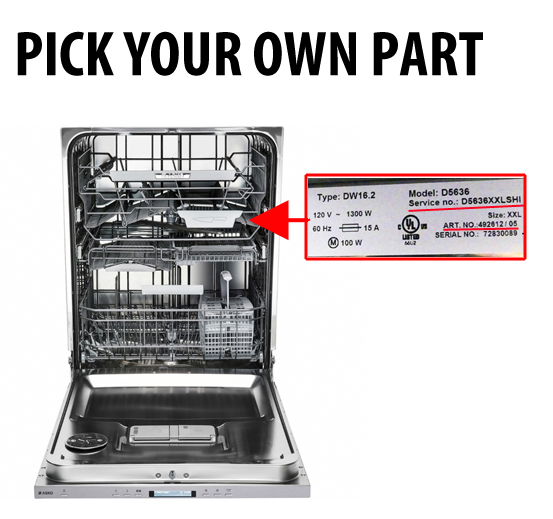
Credit: www.askoapplianceparts.com