
Glass stove tops look beautiful and are easy to clean—until something unexpected happens. If you ever drop a plastic bag, spoon, or even food packaging on a hot glass surface, the melted plastic can stick fast and seem impossible to remove. The plastic bonds with the glass, creating a mess that feels both ugly and stressful. Many people worry about scratching the glass or making the problem worse. But with the right approach, you can get your stove top spotless again.
In this guide, you’ll discover practical, safe methods for removing melted plastic from a glass stove top. You’ll learn not just the steps, but also why they matter. You’ll get advice on what works and what to avoid, plus insights most beginners miss.
With patience and the right tools, your glass stove top can look as good as new.
Why Melted Plastic Is A Problem
Melted plastic is more than a cosmetic issue. When plastic sits on a hot glass stove top, it can:
- Release toxic fumes while burning
- Harden into a crust that’s tough to remove
- Cause stains or etching if left too long
- Make your stove unsafe to use
Plastic melts at a lower temperature than glass. When the two touch, the plastic can bond tightly with the glass surface. If you try to scrape it off with the wrong tool, you can scratch or even crack your stove top.
Most importantly, melted plastic can continue to emit unpleasant odors and even harmful chemicals if it’s not fully removed. That’s why it’s important to act quickly and carefully.
Safety First: What To Do Immediately
If you notice plastic melting on your stove top, don’t panic. But do act fast—your actions in the first few minutes can make a big difference.
- Turn off the stove: Immediately switch off the burner. Unplug the stove if it’s electric.
- Ventilate the kitchen: Open windows and, if you have one, turn on the exhaust fan. Melted plastic fumes can be harmful.
- Do not touch: Avoid touching the melted plastic. It’s extremely hot and can cause burns.
- Wait for cool down: Let the glass cool completely before you try to remove the plastic. Trying to clean it while hot can cause injury or further damage.
Many people make the mistake of trying to remove the plastic while the stove is still hot. This can spread the mess and cause serious burns.
Tools And Materials You Will Need
Before you start, gather the right tools. Having everything ready will make the process smoother and safer.
- Plastic scraper or razor blade (designed for glass stoves)
- Oven mitts or heat-resistant gloves
- Baking soda
- White vinegar
- Soft cloths or paper towels
- Mild dish soap
- Ice cubes (for hardened plastic)
- Plastic bag
- Stainless steel cleaner (optional, for final polish)
- Cotton swabs (for small areas)
Avoid using steel wool, abrasive pads, or harsh chemicals. These can scratch or cloud your glass stove top.
Step-by-step Methods To Remove Melted Plastic
There is no single “best” method for every situation. The right technique depends on how much plastic is stuck, how thick it is, and how long it’s been there. Here are several methods, each explained in detail.
Method 1: Remove Plastic After Cooling
This is the safest and most common method.
- Allow the stove to cool completely.
- Apply ice cubes: Place a few ice cubes in a plastic bag and set it over the melted plastic. Leave for 5–10 minutes. The cold will make the plastic brittle.
- Gently scrape: Using a plastic scraper or a razor blade (held at a 30-degree angle), gently scrape the plastic off the glass. Work slowly to avoid scratching.
- Wipe with vinegar: Dampen a soft cloth with white vinegar and wipe the area to remove any residue.
- Wash with soapy water: Clean the stove top with mild dish soap and water to remove any last traces.
Pro tip: Always use a scraper designed for glass. Hardware stores sell special razor blade scrapers with handles for this purpose.
Method 2: Remove Plastic While Warm (but Not Hot)
If the plastic is still soft but not burning hot, you may have a better chance of peeling it off.
- Wear oven mitts: Protect your hands from residual heat.
- Peel gently: Try to lift the softened plastic with a plastic scraper or spatula.
- Blot, don’t rub: If the plastic is sticky, blot with a paper towel—don’t rub, as this spreads it.
- Let the stove cool: Then, follow the scraping and cleaning steps from Method 1.
Note: Never use your fingers to peel melted plastic, even if it feels cool. The inside can still be hot.
Method 3: Use Baking Soda Paste
If a thin film of plastic remains, baking soda can help.
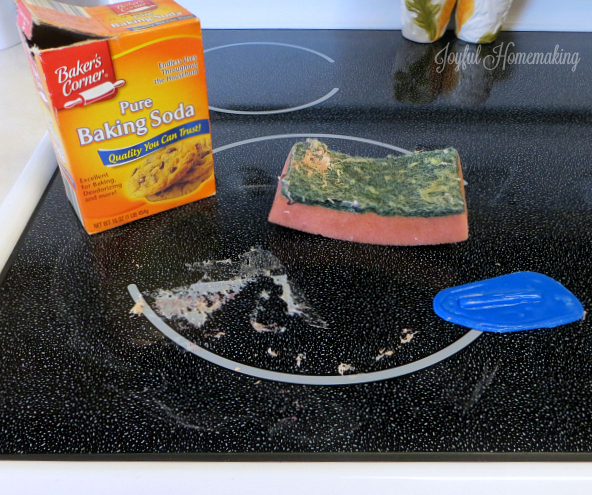
- Mix paste: Combine baking soda with a small amount of water to form a paste.
- Apply paste: Spread the paste over the affected area.
- Let sit: Leave for 10–15 minutes. The mild abrasiveness of baking soda helps loosen residue.
- Wipe gently: Use a soft cloth in circular motions to remove residue.
- Rinse and dry: Clean the surface with water, then dry with a soft towel.
Insight: Baking soda is effective because it’s slightly abrasive but won’t scratch glass. Many beginners overlook this gentle but powerful tool.
Method 4: Razor Blade (for Stubborn Plastic)
When plastic is thick or very stuck, a razor blade can help. But you must be careful.
- Hold blade at angle: Use a new razor blade held at a 30-degree angle. Never use the corners of the blade.
- Scrape slowly: Work in small sections. Do not dig into the glass.
- Check progress: After every few strokes, wipe away loosened plastic to check your progress.
- Clean area: When done, wash the surface with mild soap and water.
Warning: Never use a dull blade, as it can scratch the stove. Replace blades as soon as they feel less sharp.
Method 5: Soften With Heat And Remove
If the plastic is old and hard, a bit of controlled heat can help.
- Set burner to low: Turn the burner on low for 30–60 seconds.
- Turn off and wait: Once the plastic softens a bit, turn off the stove.
- Use scraper: While wearing oven mitts, use a plastic scraper to lift the softened plastic.
- Wipe residue: Finish with vinegar and a soft cloth.
Caution: Do not overheat. You want to soften, not burn, the plastic.
Method 6: Commercial Glass Stove Top Cleaner
Special cleaners are made for glass stove tops. Some contain chemicals that break down plastic residues.
- Read instructions: Always follow the label.
- Apply cleaner: Spread the cleaner over the melted plastic area.
- Let it sit: Wait as directed (usually 5–10 minutes).
- Scrape gently: Use a plastic scraper to remove loosened plastic.
- Wipe clean: Use a damp cloth to remove any chemical residue.
Tip: Look for cleaners that say “safe for glass stove tops.” Avoid those with strong acids or abrasives.
Comparing Removal Methods
Different methods work best for different situations. Here’s a comparison of the most popular techniques:
| Method | Effectiveness | Risk of Scratching | Best For |
|---|---|---|---|
| Ice and Scrape | High | Low | Fresh, thick plastic spills |
| Baking Soda Paste | Medium | Low | Thin film or residue |
| Razor Blade | Very High | Medium | Stubborn, stuck-on plastic |
| Commercial Cleaner | Medium | Low | General cleaning, new spills |
What Not To Do: Common Mistakes
Many people damage their glass stove tops by making these common mistakes:
- Using steel wool: This scratches glass permanently.
- Scrubbing with abrasive pads: Even “non-scratch” pads can harm glass.
- Applying too much force: Pressing hard with a scraper or blade can chip or crack the surface.
- Using oven cleaner: Most oven cleaners are too harsh for glass stove tops.
- Ignoring the problem: The longer plastic sits, the harder it is to remove.
- Pouring cold water on hot glass: This can cause thermal shock and even crack your stove top.
Aftercare: How To Restore Shine
After the plastic is gone, you may notice some dullness or streaks. Here’s how to finish the job:
- Polish with vinegar: White vinegar removes streaks and restores shine.
- Buff with microfiber: Use a clean, dry microfiber cloth to buff the glass in circles.
- Optional: Use glass cleaner: For extra sparkle, use a stove-top-safe glass cleaner.
- Check for scratches: If you see faint scratches, they may fade with repeated gentle polishing. Deep scratches, unfortunately, are usually permanent.
Preventing Future Meltdowns
Prevention is always easier than cleaning up melted plastic. Here are some ways to protect your glass stove top:
- Keep plastic away: Store plastic utensils, bags, and wraps far from the stove.
- Double-check before turning on: Make sure nothing is sitting on the burners.
- Use burner covers: These can catch accidental spills.
- Stay in the kitchen: Don’t leave the stove unattended when cooking.
Non-obvious tip: Many people forget that certain foods (like cheese in plastic wrappers or frozen meals) can have hidden plastic film. Always remove all packaging before placing food on the stove.
Credit: www.reddit.com
When To Call A Professional
Sometimes, melted plastic causes more than just a mess. It can damage your stove top or even your health. Call a professional if:
- The glass is cracked, chipped, or deeply scratched
- There are burn marks you cannot remove
- You notice persistent smoke or odor after cleaning
- You feel unsure or uncomfortable handling blades or chemicals
A professional can safely assess and repair damage. In some cases, they may recommend replacing the stove top.
The Science Behind Melted Plastic On Glass
Understanding why melted plastic sticks so stubbornly can help you avoid problems in the future. Most plastics soften at temperatures as low as 120°C (248°F) and can turn liquid at higher heat. Glass stove tops operate at much higher temperatures, often over 350°C (662°F).
When plastic melts, it seeps into microscopic pores in the glass. It cools and hardens, becoming almost fused. That’s why scraping is often necessary, and why gentle methods work best.
Interesting fact: Not all plastics behave the same way. Some become sticky and spread; others harden into a lump. Knowing what type of plastic you’re dealing with can sometimes help you choose the right removal method.
Credit: joyfulhomemaking.com
How To Identify Glass Damage
After cleaning, it’s smart to check your stove top for damage. Here’s how:
- Look in bright light: Scratches and chips are easiest to see at an angle, in strong light.
- Run a finger gently: If you feel rough patches, there may be scratches.
- Check for cloudiness: Cloudy spots can mean melted plastic residue is still present or there is etching.
If you find damage, avoid cooking on that burner until it’s been checked by a technician.
How Long Does It Take To Clean?
The time needed depends on the amount and type of plastic, plus the removal method:
| Plastic Type | Removal Method | Estimated Time |
|---|---|---|
| Thin plastic bag | Ice and scrape | 15-30 minutes |
| Thick utensil | Razor blade | 30-45 minutes |
| Old, burned plastic | Heat and scrape | 45-60 minutes |
| Small residue | Baking soda paste | 10-20 minutes |
Tip: Always work slowly. Rushing can lead to scratches or injury.
Credit: www.reddit.com
Real-life Example
Emma was preparing dinner and set a plastic spoon on her glass stove. She forgot and turned on the wrong burner. The spoon melted, leaving a thick, black spot. Panicked, she tried to scrub it off with a sponge—no luck.
After waiting for the stove to cool, she used ice cubes to harden the plastic, then gently scraped it with a razor blade. She finished with baking soda paste and vinegar. The result? The stove top was as good as new, and she learned to keep plastics far away when cooking.
Lesson: A calm, step-by-step approach works better than panicking or using force.
Comparing Glass Stove Top Cleaners
Not all cleaners are created equal. Here’s a quick look at popular options:
| Brand | Safe for Glass | Removes Plastic | Harsh Chemicals |
|---|---|---|---|
| Weiman Cooktop Cleaner | Yes | Yes | No |
| Bar Keepers Friend | Yes | Sometimes | Low |
| Easy-Off Oven Cleaner | No | No | Yes |
| Cerama Bryte Cooktop Cleaner | Yes | Yes | No |
Pro tip: Always check the label. Some “oven” cleaners are not safe for glass stove tops.
Frequently Asked Questions
What If The Melted Plastic Left A Stain On My Glass Stove Top?
Stains are common after plastic melts. First, try cleaning with baking soda paste and vinegar. If the stain remains, use a specialty glass stove top cleaner. If the stain is deep (etched into the glass), it may be permanent, but gentle polishing can sometimes reduce its appearance.
Can I Use A Regular Razor Blade To Remove Melted Plastic?
Only use a new, clean razor blade and always hold it at a low angle (about 30 degrees). Special scrapers for glass stove tops are safest. Old or rusty blades can scratch or damage the glass.
Are The Fumes From Melted Plastic Dangerous?
Yes, melted plastic fumes can be harmful. Always ventilate your kitchen by opening windows and using an exhaust fan. If you feel dizzy or unwell, leave the area and seek fresh air. Read more about plastic fumes on the Wikipedia page on plastics.
How Can I Tell If I’ve Scratched My Glass Stove Top?
Scratches often look like dull lines or cloudy patches. Use a flashlight at an angle to check. If you feel roughness when you run your finger over the area, it’s likely scratched. Deep scratches cannot be polished out, but minor ones may fade with gentle cleaning.
What Should I Do If None Of These Methods Work?
If the plastic remains after trying all safe methods, do not use harsh chemicals or excessive force. Contact a professional appliance repair technician. Continuing to scrape or use strong chemicals may damage your stove top beyond repair.
Keeping your glass stove top clean and clear of melted plastic is possible with the right steps. Patience, the correct tools, and careful attention make all the difference. Mistakes happen, but with this knowledge, you can handle them with confidence and keep your kitchen both beautiful and safe.