
Keeping the glass on your pellet stove clean can change your entire heating experience. A clear view of the flames adds comfort and style to your space, and it also helps you spot problems early. But many pellet stove owners struggle with cloudy glass, stubborn soot, or white ash buildup.
If you want to enjoy a bright, flame-filled window every time you light your stove, you’ll need more than just a quick wipe. In this guide, you’ll learn simple, effective ways to keep pellet stove glass clean—and the science behind what works.
Whether you’re new to pellet stoves or have years of experience, you’ll find practical tips, expert advice, and real solutions for every challenge.
Why Pellet Stove Glass Gets Dirty
Understanding why your glass becomes dirty is the first step to keeping it clean. Pellet stoves burn compressed wood or biomass pellets. During combustion, tiny particles—including ash, soot, and creosote—are released. These particles can stick to the glass, especially if:
- The pellet quality is poor
- The airflow is not balanced
- You’re burning at low temperatures
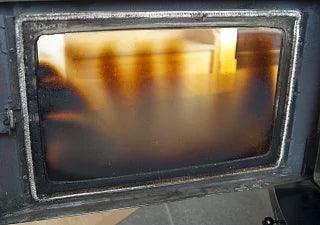
Sometimes, a white or gray film forms. This is usually fly ash, a fine powder left from burning. Brown or black spots usually mean soot buildup. Both can block your view of the flames and even cause the glass to overheat if ignored.
Most pellet stoves have an air wash system. This feature blows air across the inside of the glass, helping to keep it cleaner. But even the best designs can’t prevent all buildup, especially if the stove isn’t maintained or if you use low-quality pellets.
How Often Should You Clean Pellet Stove Glass?
How often you clean the glass depends on:
- Pellet quality: Cheaper pellets usually produce more ash and soot.
- Stove design: Some models have better air wash systems.
- Usage: Daily use means more frequent cleaning.
For most stoves, cleaning the glass every 2–3 days during heavy use is best. For stoves with excellent air wash or high-quality pellets, once per week may be enough.
Pro tip: Even if the glass looks clean, wipe it regularly. Tiny particles can build up and become much harder to remove later.

Credit: fireplaceuniverse.com
Tools And Supplies For Cleaning Pellet Stove Glass
To clean pellet stove glass safely and effectively, you’ll need the right tools. Avoid anything too harsh, which could scratch or weaken the glass. Here’s what works best:
- Soft microfiber cloths (at least two)
- Spray bottle with distilled water
- Pellet stove glass cleaner or white vinegar
- Razor blade scraper (for tough spots—use with care)
- Old newspapers or paper towels
- Heat-resistant gloves
- Small bucket for mixing solutions
- Cotton swabs for corners
- Ash vacuum (optional, for loose debris)
Never use steel wool, abrasive pads, or strong chemicals. These can damage the glass or leave streaks.
Step-by-step: How To Clean Pellet Stove Glass
You don’t need special skills to clean your glass well. Just follow these steps for safe, effective results.
1. Turn Off And Cool Down
Always let the stove cool completely before cleaning. Hot glass can crack from sudden temperature changes, and ashes may still be hot. Wait at least 30–60 minutes after the last use.
2. Open The Door And Remove Loose Ash
Carefully open the glass door. Put on heat-resistant gloves for protection. Use a dry microfiber cloth or an ash vacuum to remove loose ash or debris from the surface.
3. Choose The Right Cleaner
- For mild buildup, use distilled water in a spray bottle.
- For heavier soot or stains, mix equal parts white vinegar and water.
- For stubborn residue, buy a pellet stove glass cleaner (not regular glass cleaner—these can contain ammonia, which is unsafe for stove glass).
4. Apply The Cleaning Solution
Spray your chosen cleaner directly onto the glass. Let it sit for 1–2 minutes. This loosens the ash and soot, making it easier to wipe away.
5. Wipe With A Microfiber Cloth
Use a clean, soft cloth to gently wipe the glass in circles. For corners, use a cotton swab dipped in cleaner. Avoid pressing too hard, as this can scratch the glass.
6. Remove Stubborn Spots
If some spots remain, gently use a razor blade scraper held flat against the glass. Slide it carefully to lift off the residue. Always keep the blade at a shallow angle to avoid scratching.
7. Dry And Polish
Buff the glass with a dry microfiber cloth or crumpled newspaper. This removes streaks and leaves a clear, shiny finish.
8. Inspect And Close
Check your work. If any haze remains, repeat the process using a bit more cleaner. Once clean, close the door tightly.
Credit: total-hearth.com
Common Problems And How To Solve Them
Even with regular cleaning, you may face some challenges. Here are solutions to the most frequent issues.
White Haze Or Cloudiness
This is usually fly ash. It forms if pellets are low quality or if the stove isn’t burning hot enough. Try:
- Using premium pellets with low ash content
- Running the stove on high for 20–30 minutes daily
- Cleaning the glass more often to prevent buildup
Black Soot
Soot means incomplete burning. It’s often caused by poor airflow or too many pellets. Fix this by:
- Cleaning the burn pot and air intake regularly
- Checking the air wash system for blockages
- Using the correct pellet feed rate
Sticky Brown Spots
These are often tar or creosote. They form when the fire burns too cool or pellets are damp. Prevent this by:
- Only using dry, high-quality pellets
- Making sure the stove burns hot enough
- Avoiding long, low burns
Streaks After Cleaning
Streaks can come from using too much cleaner or not drying the glass. Always finish with a dry cloth or newspaper.
Comparing Cleaning Methods
Different cleaning methods have their pros and cons. Here’s a quick overview:
| Method | Effectiveness | Safety | Cost |
|---|---|---|---|
| Distilled Water | Good for light ash | Very safe | Low |
| Vinegar & Water | Removes soot/ash | Safe | Low |
| Commercial Glass Cleaner | Removes stubborn stains | Safe if pellet-specific | Medium |
| Razor Blade Scraper | For stuck-on residue | Safe if careful | Low |
| Steel Wool | Can scratch glass | Not recommended | Low |
How To Prevent Pellet Stove Glass From Getting Dirty
Prevention is better than cure. If you want your glass to stay clean longer, focus on these steps.
1. Use High-quality Pellets
Cheap pellets create more ash and soot. Look for premium pellets with low ash content (usually less than 1%). They may cost more, but they burn cleaner and reduce buildup.
2. Maintain Proper Airflow
Dirty or blocked air intakes force the stove to burn poorly, producing more soot. Check and clean the air intake and exhaust regularly.
3. Adjust The Feed Rate
Too many pellets at once can smother the fire, causing incomplete combustion. Follow your stove’s manual to set the correct feed rate.
4. Run The Stove Hot
Short, low-heat burns lead to more residue. Let the stove run on high for at least 20–30 minutes each day. This helps burn off deposits.
5. Clean The Burn Pot And Firebox
Ash buildup inside the stove affects airflow and burning quality. Empty the burn pot and vacuum the firebox weekly.
6. Don’t Let Ash Sit
Even if the glass looks clean, wipe it frequently. Fresh ash is much easier to remove than baked-on deposits.
7. Check The Air Wash System
Make sure nothing blocks the air wash channel that keeps air flowing across the glass. A clogged channel means more buildup.
Tips For Dealing With Stubborn Buildup
Sometimes, even with good habits, tough spots appear. Try these advanced tips:
- Use a damp cloth dipped in fine wood ash (from your stove) as a gentle scrub. The ash acts as a mild abrasive.
- For old, stubborn tar, soak a cloth in vinegar and press it against the spot for 10–15 minutes before wiping.
- Never use oven cleaner, ammonia, or harsh chemicals. These can damage the glass or release fumes when the stove runs.
How Pellet Quality Affects Glass Cleanliness
Not all pellets are the same. Quality makes a big difference in how clean your glass stays. Here’s a comparison:
| Pellet Type | Ash Content | Heat Output | Effect on Glass |
|---|---|---|---|
| Premium Hardwood | Low (<1%) | High | Stays cleaner longer |
| Standard Softwood | Medium (1–2%) | Medium | Needs more cleaning |
| Low-Grade Pellets | High (>2%) | Low | Frequent buildup |
Non-obvious insight: Even among “premium” brands, some have more bark or filler, which increases ash. Always check the label for ash content and heat rating.
The Role Of Air Wash Systems
Modern pellet stoves often include an air wash system. This clever design channels a stream of air over the glass, helping keep soot and ash away. But the system only works if:
- The air intake is clean and unblocked
- The stove is burning at the right temperature
- You use good pellets
If your glass still gets dirty fast, check for blockages in the air wash channel. Use a flashlight to inspect and clear any debris.
What To Avoid When Cleaning Pellet Stove Glass
Mistakes can damage your stove or make cleaning harder. Here’s what to avoid:
- Abrasive pads or steel wool: These scratch the glass, leaving it cloudy.
- Household window cleaners: Many contain ammonia, which can weaken the glass at high temperatures.
- Cleaning while hot: Sudden temperature changes can crack or shatter the glass.
- Excess water: Don’t let water drip into the stove—moisture can damage internal parts.
How To Clean The Glass During Burning Season
When you use the stove daily, a fast routine helps. Here’s a simple schedule:
- Daily: Wipe with a dry cloth every morning before lighting the stove.
- Every 2–3 days: Use water or vinegar for a deeper clean.
- Weekly: Vacuum the firebox and check the air wash.
- Monthly: Remove stubborn spots with a scraper if needed.
This keeps the glass bright and clear, with just a few minutes of effort each week.
Safety Tips For Cleaning Pellet Stove Glass
Safety is just as important as clean glass. Remember:
- Always let the stove cool before cleaning.
- Wear heat-resistant gloves if the stove is still warm.
- Open the door gently to avoid ash falling out.
- Keep children and pets away during cleaning.
- Dispose of used cloths safely—ash can stay hot for hours.
Real-life Example: Cleaning A Year-old Pellet Stove
Imagine you’ve used your pellet stove daily for one heating season. You notice the glass is cloudy, with some black soot at the edges. Here’s how you’d clean it:
- Wait until the stove is cold.
- Open the door and vacuum loose ash.
- Mix a solution of half vinegar, half water.
- Spray the glass and wait two minutes.
- Wipe with a microfiber cloth in small circles.
- Use a razor blade for any stuck soot.
- Dry and polish with newspaper.
The result: clear glass and a better view of the flames.
Advanced tip: If the glass is still hazy after cleaning, check the air intake and burn pot for blockages. Poor airflow can cause constant buildup.

Credit: fireplaceuniverse.com
How Clean Glass Improves Your Pellet Stove Experience
A clean glass window is about more than appearance. It also:
- Lets you spot problems early (uneven flames or unusual smoke)
- Helps the air wash system work better
- Reduces overheating risk (ash can act as insulation)
- Increases enjoyment—watching the flames is relaxing and beautiful
In fact, a survey of pellet stove owners found that 78% said clean glass improved their satisfaction with the stove.
Maintenance Checklist For Clear Pellet Stove Glass
To keep your glass clean all season, follow this quick checklist:
- Use only high-quality pellets
- Clean the glass every 2–3 days
- Check and clean the air wash channel weekly
- Empty the burn pot and firebox regularly
- Avoid abrasive cleaners and pads
- Inspect for blockages if glass gets dirty quickly
- Run the stove hot daily to burn off residue
When To Replace Pellet Stove Glass
Pellet stove glass is tough, but not invincible. Replace the glass if you notice:
- Deep scratches or cracks
- Cloudiness that doesn’t wipe away
- Edges that look chipped or burned
Damaged glass can break during use, which is dangerous. Always use ceramic glass rated for high temperatures—not regular window glass.
Table: Quick Comparison Of Cleaning Products
Here’s a look at common cleaning products and their best uses.
| Product | Best For | Pros | Cons |
|---|---|---|---|
| Microfiber Cloth | Daily cleaning | No scratches, reusable | May not remove heavy soot |
| White Vinegar | Sticky soot, ash | Cheap, effective | Strong smell |
| Commercial Cleaner | Tar, creosote | Fast, powerful | Cost, may need ventilation |
| Razor Blade Scraper | Stubborn residue | Precise, no chemicals | Risk of scratches |
Non-obvious Insights Most People Miss
- The first few burns on a new stove often produce more residue. This is called “break-in” and is normal. Clean the glass more often in the first week.
- Outdoor humidity affects glass cleanliness. In wet climates, pellets may draw in moisture, burning less efficiently and making more ash. Store pellets in a dry place for cleaner glass.
- Even a tiny air leak around the glass gasket can cause more soot. Check the gasket yearly and replace if needed.
Where To Find More Information
For more details on pellet stove maintenance and safety, you can check the U.S. EPA’s Energy Star pellet stove guide. It covers everything from choosing pellets to advanced cleaning.
Frequently Asked Questions
How Do I Remove Stubborn Black Soot From My Pellet Stove Glass?
First, make sure the stove is cold. Use a microfiber cloth with a mix of vinegar and water. For very tough spots, carefully use a flat razor blade scraper. Never use steel wool or harsh chemicals, which can scratch or damage the glass.
Is It Safe To Use Regular Window Cleaner On Pellet Stove Glass?
No, most window cleaners contain ammonia, which can weaken or cloud the special ceramic glass. Always use a cleaner labeled safe for pellet stoves or a simple vinegar and water mix.
Why Does My Pellet Stove Glass Get Dirty So Quickly?
Frequent buildup usually means poor pellet quality, low burn temperature, or blocked airflow. Check the air intake, use premium pellets, and run your stove hot for short periods each day.
Can I Clean The Glass While The Stove Is Still Warm?
It’s best to let the glass cool completely before cleaning. Cleaning hot glass can cause cracks due to sudden temperature change, and some cleaners can release fumes when heated.
How Often Should I Clean Pellet Stove Glass?
For most users, cleaning every 2–3 days during heavy use is ideal. If your stove has a strong air wash system and you use high-quality pellets, once a week may be enough.
Keeping your pellet stove glass clean isn’t just about looks—it’s about safety, performance, and comfort. With the right routine, good habits, and a little attention, you’ll always have a clear, beautiful view of the fire.