
Is Sodium Bisulfate The Same As Baking Soda?
Confusion often arises in the kitchen and classroom when people see similar names like sodium bisulfate and baking soda. Both sound scientific, both are white powders, and both are used in various industries, including food. However, using one in place of the other can lead to surprising results—sometimes even dangerous ones. If you’ve ever wondered whether these two substances are the same, or what makes them different, you’re not alone. Understanding the differences is key for safe cooking, cleaning, and even pool maintenance.
Let’s dive deep into what makes sodium bisulfate and baking soda unique. By the end of this article, you’ll be able to confidently pick the right product, understand their roles, and avoid common mistakes.
What Is Sodium Bisulfate?
Sodium bisulfate is a dry, granular acid salt, also known as sodium hydrogen sulfate. Chemically, its formula is NaHSO₄. This compound is made by reacting sulfuric acid with sodium chloride (common salt), resulting in a material that is highly acidic. You’ll usually find sodium bisulfate in the form of white, odorless crystals or powder.
Sodium bisulfate is mainly used to lower pH levels in various solutions. In pools, it’s marketed as a pH decreaser. In food processing, it acts as an acidulant—meaning it adds a sour taste or preserves food. For example, it can be found in some baked goods, beverages, and even pet foods.
It’s also used in cleaning products, especially those targeting hard water stains or rust.
One practical point: sodium bisulfate is not a base. Instead, it’s acidic, making it very different from substances like baking soda.
What Is Baking Soda?
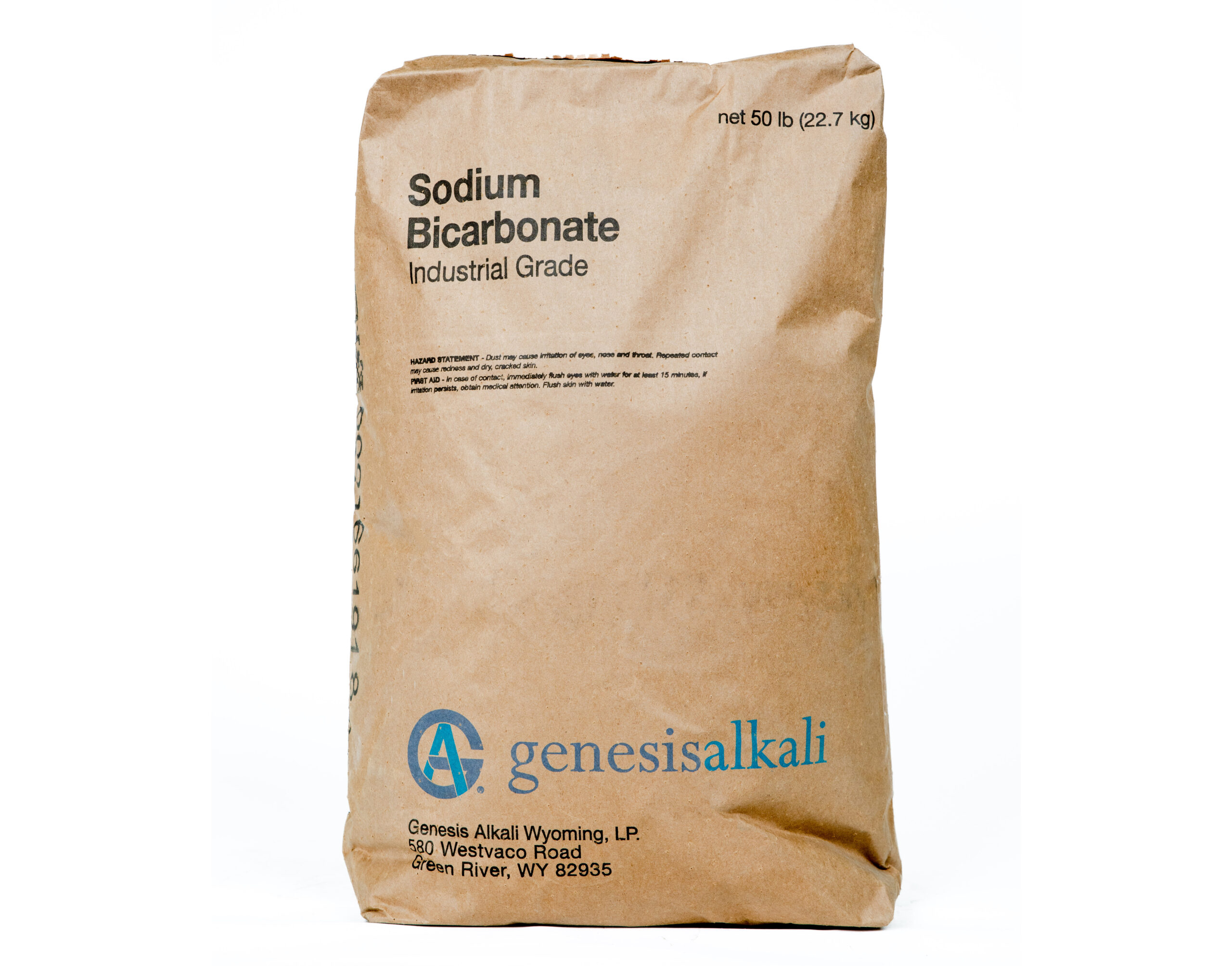
Baking soda is the common name for sodium bicarbonate, with the chemical formula NaHCO₃. It is a weak base, which means it can neutralize acids. Baking soda is a staple in kitchens around the world, valued for its leavening properties in baking. When mixed with an acid and moisture, baking soda releases carbon dioxide gas, causing dough or batter to rise and become light and fluffy.
But baking soda isn’t limited to baking. It’s also a popular cleaning agent, deodorizer, and even a gentle abrasive for scrubbing. Some people use it as an antacid to relieve heartburn, as it can neutralize stomach acid.
One key insight: baking soda is alkaline, not acidic. This property is at the heart of most of its uses and also the main reason it should not be confused with sodium bisulfate.
Credit: www.di-corp.com
Chemical Properties And Structure
It’s helpful to look at the chemistry to understand why these two substances behave so differently.
| Property | Sodium Bisulfate | Baking Soda |
|---|---|---|
| Chemical formula | NaHSO₄ | NaHCO₃ |
| Nature | Acidic | Alkaline (basic) |
| pH in water | ~1-2 (strongly acidic) | ~8-9 (mildly basic) |
| Common form | White powder/granules | White powder |
| Odor | Odorless | Odorless |
The acidic property of sodium bisulfate comes from the hydrogen sulfate ion, which donates protons (H+). In contrast, baking soda releases carbonate ions that can absorb protons, making it a base.
A common mistake is thinking they can substitute for each other because both can adjust pH. However, their actions are opposite: one lowers pH (more acidic), while the other raises it (more alkaline).
Uses In Food And Cooking
Sodium Bisulfate In Food
Sodium bisulfate is less common in home kitchens but appears in industrial food processing. It’s labeled as E514(ii) in the European Union and approved by the FDA for use in foods. Its main roles are:
- PH control: Used to acidify foods such as sauces, beverages, or candies.
- Preservative: Acidic conditions slow the growth of bacteria and molds.
- Leavening acid: Sometimes used in baking powders as an acid component.
Despite these uses, sodium bisulfate is not typically found in recipes for home cooks. It’s more likely in mass-produced or packaged foods, where precise pH control is needed for safety and texture.
Baking Soda In Food
Baking soda is a household staple. Its primary function in recipes is:
- Leavening agent: When combined with an acid (like vinegar, buttermilk, or lemon juice), it produces carbon dioxide bubbles. This reaction makes pancakes, cakes, and cookies rise.
- Browning: Baking soda increases pH, which speeds up the Maillard reaction—a chemical process that creates browned, flavorful crusts on baked goods.
- Tenderizing: Sometimes used to tenderize meats by breaking down proteins.
A key insight for beginners: Baking soda requires an acid to activate it. If your recipe doesn’t include something acidic, your baked goods may not rise well and can have a soapy taste.
Safety And Handling
Sodium Bisulfate Safety
Because sodium bisulfate is strongly acidic, it must be handled with care. In food-level concentrations, it’s generally safe, but pure or industrial forms can cause:
- Skin irritation: May burn or irritate skin on contact.
- Eye injury: Dust or powder can damage eyes.
- Corrosive action: Can corrode metals and damage surfaces.
If you use sodium bisulfate for pools or cleaning, always wear gloves and avoid breathing the powder. Ingesting large amounts can lead to burns or stomach upset.
Baking Soda Safety
Baking soda is much safer to handle. It’s edible in small amounts and generally non-toxic. However, issues can occur if:
- Large amounts are consumed: Can disturb the body’s acid-base balance, leading to nausea or metabolic alkalosis.
- Inhaled: Dust may irritate the nose or throat.
For cleaning, baking soda is gentle and can be used on most surfaces without harm.
Applications In Cleaning And Home Use
Sodium Bisulfate At Home
Most often, sodium bisulfate is used to:
- Lower pool pH: Keeps pool water safe and prevents scale buildup.
- Remove hard water stains: Effective against mineral deposits in toilets, sinks, and tubs.
- Clean rust: The acid reacts with iron oxide, dissolving rust.
A tip for beginners: sodium bisulfate can damage natural stone or some metals due to its high acidity. Always test on a small area first.
Baking Soda At Home
Baking soda is famous for its versatility:
- Deodorizing: Neutralizes odors in the fridge, shoes, or carpets.
- Gentle scrubbing: Cleans sinks, countertops, and even teeth.
- Laundry booster: Softens water and boosts detergent cleaning power.
Unlike sodium bisulfate, baking soda will not corrode surfaces. It’s safe for most materials and doesn’t leave harmful residues.
Pool And Water Treatment
Many pool owners encounter both sodium bisulfate and baking soda when trying to balance water chemistry. Each plays a different role.
| Function | Sodium Bisulfate | Baking Soda |
|---|---|---|
| Main use in pools | Lowering pH and alkalinity | Raising alkalinity (and pH slightly) |
| When to use | When water is too basic (high pH) | When water is too acidic (low alkalinity) |
| Speed of effect | Fast and strong | Gentle, gradual |
| Typical dosage | Small amounts, added slowly | As directed, based on test results |
A beginner’s mistake is to use these products interchangeably. Adding sodium bisulfate to already acidic water can make it corrosive. Adding baking soda to high-pH water can make it cloudy or unbalanced.
Industrial And Commercial Uses
Sodium Bisulfate
Outside the home, sodium bisulfate is used for:
- Metal cleaning and pickling: Removes rust and prepares surfaces for further treatment.
- Textile processing: Lowers pH in dye baths.
- Detergent production: Acts as a pH adjuster in some cleaning products.
- Food processing: Acidifies foods, stabilizes colors, and preserves shelf life.
Baking Soda
Baking soda’s commercial uses include:
- Fire extinguishers: Releases CO₂ to smother flames.
- Manufacturing: Used in the production of glass, ceramics, and certain chemicals.
- Personal care: In toothpaste, deodorants, and antacids.
- Environmental cleanup: Neutralizes acid spills and controls odors.
Health And Environmental Impact
Sodium Bisulfate
Because sodium bisulfate is acidic, it can be an irritant to the skin, eyes, and respiratory tract. In the environment, large spills can lower the pH of water bodies, harming aquatic life. However, when used correctly and diluted, it doesn’t pose significant environmental risks.
Baking Soda
Baking soda is considered safe for humans and the environment. It’s biodegradable, breaks down into harmless substances, and has no long-term environmental impact in typical household use.
Substitution: Can You Swap Them?
A common question: can you use sodium bisulfate instead of baking soda, or vice versa?
The answer is no. Because they have opposite chemical properties, they are not interchangeable.
- In baking: Baking soda is a leavening agent. Sodium bisulfate is acidic and would ruin the texture and taste of baked goods.
- In cleaning: Using sodium bisulfate instead of baking soda could damage surfaces and pose safety risks.
- In pools: Confusing the two could make water unsafe, leading to irritation or equipment damage.
If a recipe or instruction calls for one, substituting the other will likely lead to failure or even danger. Always check labels carefully.
How To Identify Each Compound
Packaging can sometimes be confusing. Here’s how to tell them apart:
- Label: Baking soda will say “sodium bicarbonate.” Sodium bisulfate may be called “pH decreaser,” “dry acid,” or “sodium hydrogen sulfate.”
- Purpose listed: Baking soda is for baking, deodorizing, or gentle cleaning. Sodium bisulfate is for lowering pH, pool care, or rust removal.
- Warning statements: Sodium bisulfate often has warnings about eye or skin irritation.
If you’re unsure, use a pH test: dissolve a small amount in water. Sodium bisulfate will make the water very acidic, while baking soda will make it slightly alkaline.
Common Myths And Misunderstandings
Myth 1: Both Are Baking Ingredients
Only baking soda is used directly in home baking. Sodium bisulfate is used industrially but not as a leavening base.
Myth 2: Both Are Safe For All Surfaces
Baking soda is gentle, but sodium bisulfate can corrode metal and etch stone.
Myth 3: Both Are The Same Because They’re White Powders
Many chemicals are white powders. Judging by appearance alone can lead to costly mistakes. Always read the label.
Myth 4: Both Can Neutralize Each Other
While it’s true that acids and bases can neutralize each other, adding sodium bisulfate to baking soda isn’t practical for home use. It’s better to use the correct compound for each task.
Real-world Examples
- Baking mistake: A home baker accidentally used sodium bisulfate, thinking it was baking soda. The cake didn’t rise and tasted extremely sour.
- Pool care confusion: A new pool owner added baking soda to lower pH, but the pool became cloudy instead of clear. The correct product was sodium bisulfate.
- Cleaning error: Someone used sodium bisulfate on a stainless steel sink, causing discoloration. Baking soda would have cleaned without harm.
How To Store And Dispose
Both compounds should be stored in cool, dry places, away from children and pets.
- Sodium bisulfate: Keep in sealed containers, away from moisture. Dispose of in accordance with local regulations.
- Baking soda: Store in its original box or container. It is safe to wash down the drain or dispose of with regular trash in small amounts.
Never mix chemicals together unless you know exactly what will happen.

Credit: beatbot.com
How To Use Them Safely
- Always read labels before use.
- Wear gloves when handling sodium bisulfate.
- Avoid inhaling powders.
- Use measuring spoons for accuracy, especially in food and pool applications.
- For large-scale use (like pools or cleaning), follow manufacturer’s instructions closely.
Practical Tips For Beginners
- Label your containers: Especially if you buy in bulk. “White powder” isn’t enough.
- Test before use: If you’re unsure, dissolve a pinch in water and test the pH with test strips.
- Don’t guess: If a recipe or cleaning guide calls for one, don’t substitute with the other.
- Keep away from children: Both can be harmful if swallowed in large amounts.
- Educate others in your home: Make sure everyone knows the difference.

Credit: eureka.patsnap.com
Scientific Insights Beginners Often Miss
- Reaction with acids and bases: Baking soda only reacts when an acid is present. Without it, you get no fizz, no rise, and possibly a bitter taste.
- PH isn’t just about taste: The right pH in food affects color, texture, and shelf life. In pools, the wrong pH can cause eye irritation or damage equipment.
- Industrial vs. food grade: Not all sodium bisulfate or baking soda is food safe. Always check for “food grade” if using in recipes.
Summary Table: Quick Reference
Here’s a handy side-by-side comparison for quick checks:
| Feature | Sodium Bisulfate | Baking Soda |
|---|---|---|
| Chemical nature | Acidic | Alkaline |
| Food use | pH control, preservative | Leavening, browning |
| Cleaning use | Rust/hard water removal | Scrubbing, deodorizing |
| Pool use | Lowers pH | Raises alkalinity |
| Safety | Irritant, corrosive | Generally safe |
| Substitution? | No | No |
Final Thoughts
Sodium bisulfate and baking soda are not the same, and knowing their differences can save you from ruined recipes, damaged surfaces, and even health risks. Sodium bisulfate is acidic and used to lower pH, while baking soda is alkaline and mainly used to make baked goods rise or to neutralize acids.
Each has a valuable place in the home, but they should never be confused or swapped.
Whenever you’re unsure, check the chemical name and intended use. The right knowledge leads to safer, more successful cooking, cleaning, and pool care.
For further details about sodium bisulfate, you can visit the Wikipedia page on sodium bisulfate.
Frequently Asked Questions
What Is The Main Difference Between Sodium Bisulfate And Baking Soda?
The main difference is their chemical nature: sodium bisulfate is acidic and lowers pH, while baking soda is alkaline and raises pH. This means they react differently in recipes, cleaning, and water treatment.
Can I Use Baking Soda Instead Of Sodium Bisulfate In My Pool?
No, you cannot substitute one for the other. Baking soda raises alkalinity and pH, while sodium bisulfate is used to lower pH. Using the wrong chemical can lead to unbalanced pool water.
Is Sodium Bisulfate Safe To Eat?
Food-grade sodium bisulfate is safe in small amounts as a food additive. However, industrial or pool-grade forms are not safe to eat. Always check the packaging for “food grade” before using in food.
What Happens If I Put Sodium Bisulfate In A Cake Instead Of Baking Soda?
Your cake will not rise and will taste extremely sour. Sodium bisulfate is not a leavening agent and cannot substitute for baking soda in recipes.
How Do I Safely Store Baking Soda And Sodium Bisulfate?
Keep both in cool, dry places, sealed away from moisture and children. Label containers clearly, and follow any safety instructions on the package. For sodium bisulfate, wear gloves when handling large amounts.