
Mice are small, fast, and surprisingly clever. When they find a warm, sheltered place like your kitchen sink cabinet, they’re not likely to leave on their own. The space under your sink offers darkness, food crumbs, and even water from leaky pipes—everything a mouse needs.
If you’ve noticed droppings, chewed packaging, or even a glimpse of a furry intruder, you’re not alone. Many homeowners struggle with this exact problem. Let’s walk through a clear, step-by-step strategy to get rid of mice under your kitchen sink—and keep them from coming back.
Why Mice Love Hiding Under Kitchen Sinks
A kitchen sink is more than just a place to wash dishes. For mice, it’s a perfect hiding spot. The area is often cluttered with cleaning products, trash bags, and sometimes food waste. It’s dark, quiet, and usually not cleaned as often as other spaces.
In addition, small gaps around pipes make it easy for mice to enter and leave.
What many people miss is that even tiny leaks or crumbs can attract mice. A mouse only needs a hole the size of a pencil to get in. Once inside, they’re safe from pets and people, with access to food and water nearby.
If you’ve seen one mouse, there’s a good chance there are more hiding out of sight.
It’s also important to realize that mice are excellent climbers and jumpers. They can scale pipes, wires, and even rough wall surfaces to reach cabinets above ground level. The environment under your sink often gives them direct routes to other parts of the house through hidden wall voids or behind cabinets.
This means a single mouse under the sink might actually be part of a larger problem inside your home.
Signs You Have Mice Under The Sink
Recognizing the problem early makes removal much easier. Here are clear signs:
- Droppings: Small, dark, rice-shaped pellets in the cabinet or nearby.
- Gnawed packaging: Food boxes or cleaning supplies with bite marks.
- Noises: Scratching or scurrying, especially at night.
- Nest materials: Shredded paper, fabric, or insulation.
- Unusual smells: A musty, urine-like odor.
If you notice more than one of these, action is urgent.
Some people also notice greasy marks along walls or pipes. These come from the oils in a mouse’s fur and show where they travel often. Additionally, look for small tracks in dusty areas or tiny pieces of food left in unexpected places.
Mice are also known to chew on plastic and rubber, so holes in dishwasher hoses or garbage disposal lines are sometimes a clue.
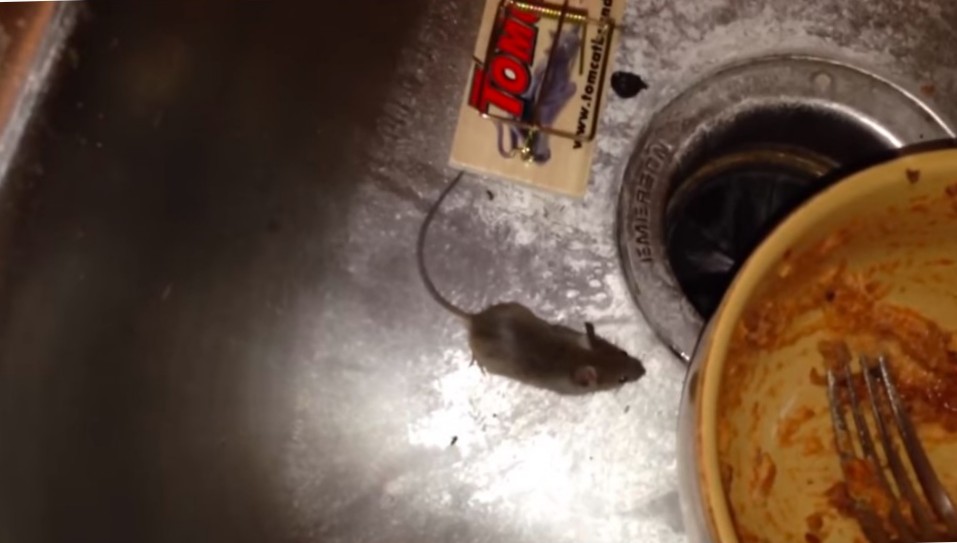
Credit: mousecontrol.org
Initial Steps: Clean And Inspect
Before you set traps or use repellents, start with a deep clean and inspection.
- Remove everything from under the sink.
- Check for entry points around pipes, holes, or cracks.
- Clean up crumbs, spills, and grease. Use a strong disinfectant.
- Inspect for leaks. Even slow drips attract mice.
Don’t skip this step. Many beginners place traps before cleaning, which rarely works. Mice always choose real food over bait if it’s available.
As you clean, pay special attention to corners and the back of the cabinet, where crumbs and debris often collect. Scrub the area thoroughly, including the cabinet walls and floor. If you find evidence of nesting material, remove it completely and dispose of it outside your home.
This eliminates scent trails that could attract more mice. Remember, mice have a very sensitive sense of smell and can be drawn back to old nesting sites if traces are left behind.
How Mice Get Under The Sink
Understanding how mice enter helps you block their return. Common entry points include:
- Gaps around water pipes and drain lines
- Openings at the back of cabinets
- Cracks in walls or floors
- Unsealed joints or holes left by previous work
Often, these gaps are hidden behind clutter or pipes, so use a flashlight for a thorough search.
It’s easy to overlook small holes, especially those behind heavy cleaning bottles or trash bins. Sometimes, contractors or plumbers make holes in cabinets for pipes and do not seal them properly afterward. Over time, wood can also swell, shrink, or crack, creating new gaps.
Check both inside and outside the cabinet, and don’t forget to look underneath. If you live in an older home, there may be more hidden entry points due to settling or repairs over the years.
Sealing Entry Points: A Critical Step
Closing every possible mouse entry is one of the most effective actions. Here’s how:
- Steel wool: Stuff small holes with steel wool, then cover with caulk. Mice can’t chew through steel wool.
- Expanding foam sealant: Good for sealing around pipes, but combine with steel wool for strength.
- Metal mesh: For larger gaps, use hardware cloth or wire mesh.
- Caulk and weatherstripping: Seal cracks and edges.
Pay attention to every gap, even those that seem too small. Mice are flexible and persistent.
A tip many miss: after sealing, check again in a week. Sometimes, mice will try to chew through weak spots or new holes may appear as your home shifts. Also, make sure to use materials that are intended for pest control—regular foam sealants can be chewed through if not reinforced with steel or metal mesh. Don’t forget to check areas near the floor and inside corners, as mice often prefer hidden routes.
Setting Effective Mouse Traps
Not all traps are equal, and placement matters. Here’s a comparison of common traps:
| Trap Type | How It Works | Pros | Cons |
|---|---|---|---|
| Snap Traps | Spring-loaded bar snaps when triggered | Quick, reusable, inexpensive | Can be messy, need careful placement |
| Glue Traps | Mice get stuck on sticky surface | Easy to use, disposable | Cruel, not always effective |
| Live-Catch Traps | Catches mice without killing | Humane, reusable | Must release far away, more expensive |
| Electric Traps | Delivers quick shock | Fast, less messy | Battery needed, more costly |
Trap Placement Tips
- Place traps along walls, where mice travel.
- Put traps behind the garbage can or near the back of the cabinet.
- Set multiple traps, about 2-3, for faster results.
- Use gloves when handling traps to avoid human scent.
A common mistake is placing traps in open spaces. Mice prefer to run along edges and avoid open areas.
Try to set traps perpendicular to the wall, with the baited end closest to the wall. This increases the chances of a mouse triggering the trap as it follows its natural path. If possible, rotate bait types every few days.
Mice can become cautious if they see several traps with the same scent or food.
Best Baits For Kitchen Mice
Peanut butter is the classic choice, but there are others:
- Chocolate
- Oats or grains
- Bacon bits
- Nut butter
Use a small amount—just enough to attract, but not so much that the mouse can steal it without triggering the trap.
For added success, try lightly pressing the bait into the trap’s trigger. This forces the mouse to work harder, increasing the chance of a successful catch. A non-obvious insight: if you see that traps are being triggered but no mice are caught, try using a stickier bait or changing the trap style. Sometimes, mice learn to remove bait without setting off the trap.

Credit: www.youtube.com
Using Repellents And Deterrents
Some people rely on strong-smelling products to keep mice away. These can help after you’ve removed most of the problem, but don’t use them as your only solution.
Natural Repellents
- Peppermint oil: Soak cotton balls and place under the sink.
- Cloves or clove oil: Strong scent can deter mice.
- Ammonia: Place a small dish (out of children’s reach), but use with care.
Commercial Repellents
Some sprays and packets are sold as mouse repellents. These often contain strong smells, like peppermint or predator urine. Results are mixed, but they can help as a backup method.
A less common but sometimes effective option is using used kitty litter (from a healthy, indoor cat) in a sealed container with holes. The scent may warn mice to stay away. However, do not leave open litter, as it can cause other hygiene issues.
Ultrasonic Devices
These plug-in devices claim to drive mice away using high-frequency sound. Scientific studies show mixed results—some people report success, others see no change.
If you try ultrasonic devices, use them with other methods like traps and sealing holes. Place them close to suspected entry points, but don’t expect results overnight. Mice can adapt or find quiet spots where the sound doesn’t reach.
Removing Food And Water Sources
Without food and water, mice will leave or be less likely to return. Here’s what to do:
- Store food in sealed containers. Don’t leave cereal, rice, or snacks in open boxes.
- Clean up crumbs and spills immediately.
- Take out the trash daily. Use a can with a tight lid.
- Fix leaks quickly. Even a damp sponge can attract mice.
Most people focus on trapping but forget this step—making your kitchen less attractive is just as important.
Also, avoid leaving pet food out overnight, and store birdseed or bulk foods in heavy plastic or metal bins. Double-check for forgotten snacks or old food at the back of cabinets. Even a few grains of rice or an old cookie can keep mice coming back.
Deep Cleaning And Maintenance
Deep cleaning under the sink isn’t just about removing crumbs. Here’s a routine to follow:
- Empty the cabinet completely every month.
- Wipe all surfaces with disinfectant.
- Check for new holes or chewed areas.
- Replace or repair damaged wood or linings.
When you keep this area clean, you’ll notice problems earlier and discourage mice from settling in.
Take the time to vacuum crevices and corners where dust and food particles collect. If possible, install removable shelf liners that you can wash or replace easily. Some homeowners find success adding a small, battery-powered light in the cabinet; mice dislike well-lit areas, and it may help make the space less inviting.
Pet Involvement: Help Or Risk?
Many people hope their cat or dog will take care of the mice. While some pets are good hunters, don’t rely on this alone. In fact, mouse droppings can carry diseases that may harm your pet. Pet food left under the sink is a big attractant—store it in sealed containers.
If you use traps or poison, keep pets away from these areas to prevent accidents.
Another point: some pets are curious and may set off traps themselves. Consider using covered or enclosed traps if you have active pets in your home. Also, remember that certain rodenticides are especially dangerous to cats and dogs, even in tiny amounts.
When To Call A Pest Professional
Some infestations are too large for DIY solutions. Signs you need help:
- You catch multiple mice every week for more than a month.
- You hear mice in walls or ceilings.
- There are nests or droppings in other rooms.
- You find damage to electrical wiring.
A licensed pest control company can inspect, seal, and treat the problem with stronger tools. If you rent, tell your landlord—they’re usually responsible for major pest issues.
Professionals can also identify less obvious entry points, such as gaps in foundations or vents, and use commercial-grade baits or traps that are not available in stores. They can also provide follow-up visits to ensure the infestation is fully cleared.
Comparing Diy And Professional Solutions
Here’s a quick comparison to help you decide:
| Method | Cost | Effectiveness | Risk |
|---|---|---|---|
| DIY Traps/Sealant | Low (under $50) | Good for small problems | Time-consuming, may miss hidden mice |
| Professional Service | Medium to high ($150+) | Very effective for large infestations | Higher initial cost |
For most small infestations, DIY works well if you follow every step. For bigger issues, professionals are worth the investment.
One thing beginners miss: even after professional treatment, you’ll still need to maintain a clean, sealed kitchen to prevent a new infestation. No solution is permanent if you let old habits return.
Preventing Mice From Returning
Getting rid of mice is only half the battle. Keeping them out is a long-term process. Here are key actions:
- Check under your sink monthly for new holes or droppings.
- Seal all cracks and gaps as soon as you find them.
- Keep food sealed and areas clean.
- Fix leaks immediately.
- Use repellents after an infestation, especially in winter.
Most people relax once the mice are gone, but repeat infestations are common when maintenance stops.
It’s a good idea to schedule reminders on your phone or calendar to check problem spots. If you live in a neighborhood where mice are common, consider installing metal mesh covers over air vents and keeping exterior doors closed as much as possible.
Health Risks Of Mice Under The Sink
Mice carry more than just crumbs—they can spread disease. Some risks include:
- Salmonella from droppings on surfaces
- Hantavirus (rare, but serious)
- Allergies and asthma from mouse urine and dander
- Chewed electrical wires that can cause fires
Always wear gloves and a mask when cleaning up droppings or nests. Disinfect the area thoroughly afterward.
Another risk is parasites like fleas or mites, which mice can bring into your home. Children, elderly people, and those with weaker immune systems are especially at risk from mouse-related health problems. Proper clean-up and prevention are not just about comfort—they protect your family’s health.
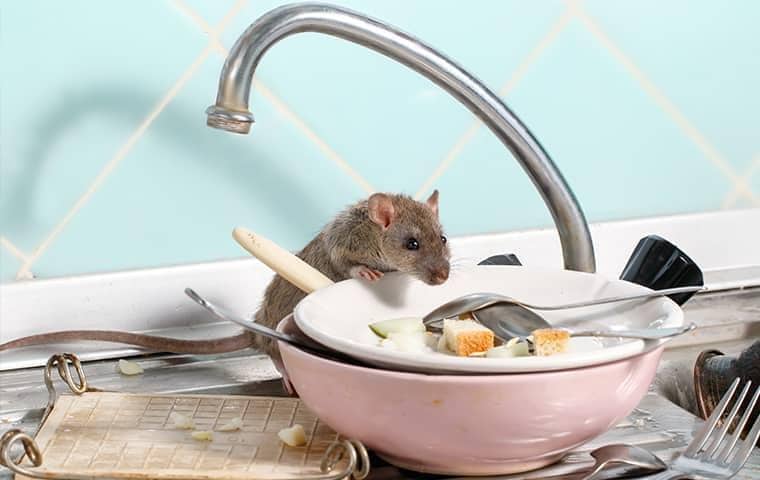
Credit: www.allamericanpestcontrol.com
Common Mistakes To Avoid
Many people make these mistakes, which let mice return:
- Ignoring small holes: Even pencil-sized gaps need sealing.
- Not removing all food: Mice will find even tiny crumbs.
- Only using repellents: Smells help, but don’t solve infestations alone.
- Setting too few traps: Use several for best results.
- Stopping too soon: Continue checks and cleaning after the mice are gone.
Another mistake is relying on just one method. Mice are survivors and can adapt quickly. Use a combination of cleaning, sealing, trapping, and checking to keep your home mouse-free long-term.
Real-life Example: A Kitchen Sink Infestation
Consider Anna, a homeowner who noticed a musty smell and droppings under her sink. She set one trap but kept finding new droppings. After reading more, she emptied the cabinet, found a gap around the water pipe, and sealed it with steel wool and caulk.
She placed three traps with peanut butter and cleaned every crumb. Within a week, she caught two mice and saw no new signs for months. The key was sealing entry points and deep cleaning—not just trapping.
Anna also learned that checking behind large bottles and bins in the cabinet exposed more droppings she had missed before. By making regular cleaning a habit, she caught a new mouse early the next year before it became a bigger issue.
Her experience shows that attention to detail and consistency are what solve mouse problems for good.
Eco-friendly And Humane Solutions
If you want to avoid killing mice, focus on these options:
- Live-catch traps: Release mice at least a mile from your home.
- Natural repellents: Peppermint oil, cloves, and vinegar.
- Physical barriers: Metal mesh over holes.
Avoid using glue traps or strong poisons, which are both inhumane and risky for pets.
Another humane tip: some people make their own live traps using simple materials like a bucket and a ramp. If you use live traps, check them at least twice a day—mice can get stressed or dehydrated quickly if left too long.
Dealing With Dead Mice And Clean-up
Sometimes, you’ll find a dead mouse in a trap or from poison. Here’s what to do:
- Wear gloves and a mask.
- Pick up the mouse with a plastic bag.
- Dispose in an outdoor trash can.
- Disinfect the area with bleach and water (1: 10 ratio).
- Ventilate the cabinet for a few hours.
Never handle dead mice with bare hands, and always clean the area well.
If the smell lingers, place a small bowl of baking soda or activated charcoal inside the cabinet to absorb odors. Wash or replace any rags, sponges, or liners that were nearby.
Can Mice Come Back? What You Need To Know
Even after you remove mice, there’s always a chance new ones will come, especially in cold weather. If your neighbors have infestations, mice can travel between homes through walls or pipes. Regular checks and maintenance are the best defense.
Consider talking to your neighbors about mouse prevention. If everyone in the building or on your street takes action, there’s less chance of reinfestation. Also, keep outdoor areas tidy and free of clutter, as piles of wood or garbage can house mice until they find a way inside.
When To Use Mouse Poison—and When Not To
Mouse poison (rodenticide) is widely available but should be a last resort. Risks include:
- Accidental poisoning of pets or children
- Mice dying in walls, causing bad odors and hard-to-remove carcasses
- Environmental harm
If you must use poison, choose tamper-resistant bait stations and follow all safety instructions. Many pest pros now avoid poison for indoor use, preferring traps and sealing.
Poisons can also harm wildlife if mice carry the bait outside and drop it. If you live near parks or nature areas, avoid poison to help protect local animals.
Myths About Getting Rid Of Mice
Let’s clear up some common myths:
- Myth: Cheese is the best bait.
Reality: Peanut butter or chocolate works better.
- Myth: Cats always solve mouse problems.
Reality: Some cats ignore mice, and the problem often continues.
- Myth: Mice only come to dirty homes.
Reality: Even clean homes attract mice if there’s warmth and food.
- Myth: One mouse means one problem.
Reality: Where there’s one, there’s usually more.
Another myth: “Mice can’t climb smooth surfaces.” Mice can climb surprisingly well, especially if there are even tiny cracks or rough spots to grip.
How Long Does It Take To Get Rid Of Mice?
With a strong approach, you can remove most mice in 1-2 weeks. However, you need to continue cleaning and checking for at least a month to prevent a quick return. Larger infestations can take longer, especially if you miss entry points.
A non-obvious tip: if you notice activity after a few weeks of no signs, check for new entry points or changes in the weather (like cold snaps) that may drive mice indoors again.
When You Might Need Legal Help
In some apartments, landlords must handle pest control. If they refuse or don’t act, check your local laws. In many places, tenants have the right to a safe, pest-free home. For advice, visit your local housing authority or resources like EPA Rodent Control.
Keep records of your requests and any actions you take. If the problem continues, these documents can help you get the support you need.
Frequently Asked Questions
How Do I Know If The Mice Are Gone?
If you no longer see droppings, hear noises, or notice new damage for at least two weeks, the mice are likely gone. Continue checking weekly for a month to be sure.
What’s The Best Trap For Under The Kitchen Sink?
Snap traps are the most effective for most homes. Place several along walls, behind trash cans, and near pipe openings for best results.
Can Peppermint Oil Really Keep Mice Away?
Peppermint oil can help deter mice, but it is not a complete solution. Use it with traps and sealing holes for better results.
Is It Safe To Use Mouse Poison Under My Sink?
Mouse poison should be a last resort. It can harm pets and children, and mice may die in hidden places, causing odors. Use traps and sealing as your main methods.
How Can I Prevent Mice From Coming Back?
Seal all entry points, keep the area clean, store food properly, and check regularly for new holes or droppings. Ongoing maintenance is key to long-term prevention.
Removing mice under your kitchen sink takes effort and attention to detail, but it’s possible for any homeowner. Follow these steps carefully, and you’ll create a clean, mouse-free kitchen—now and in the future.