
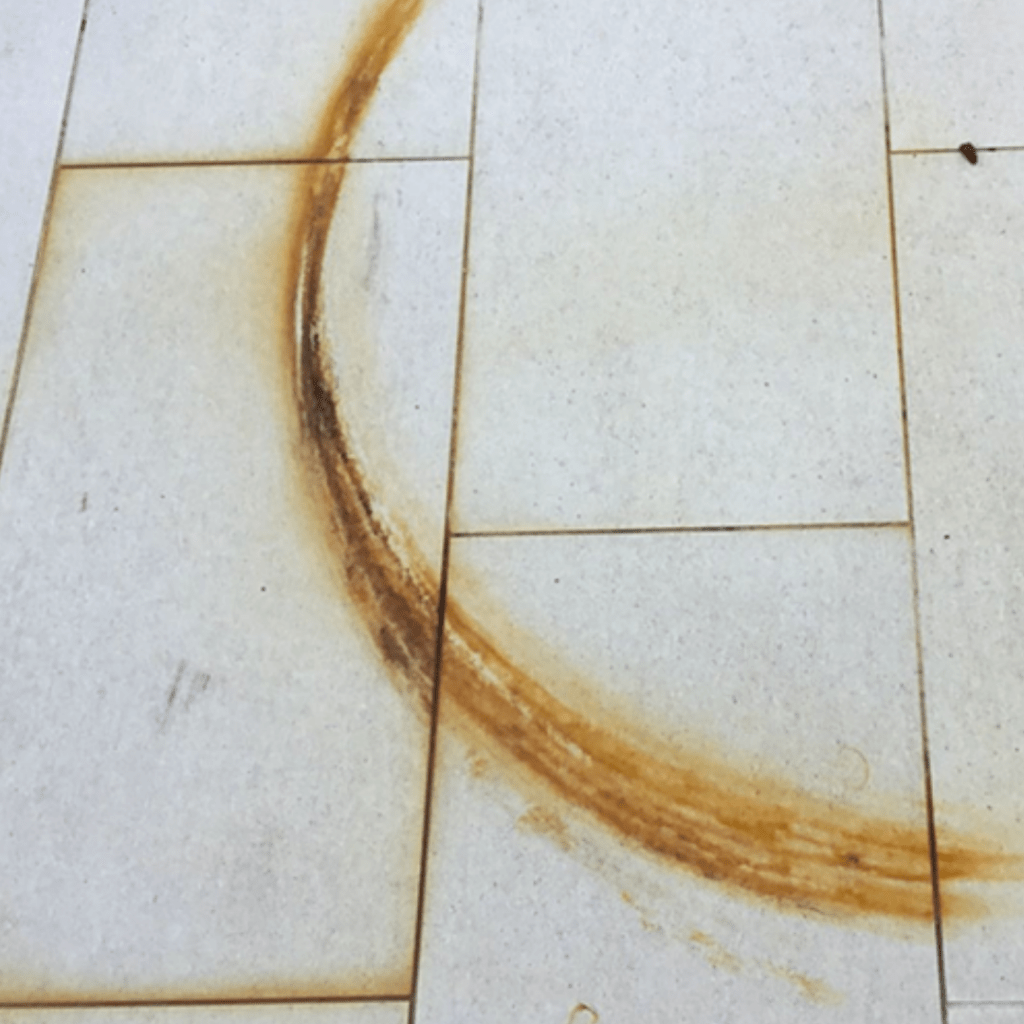
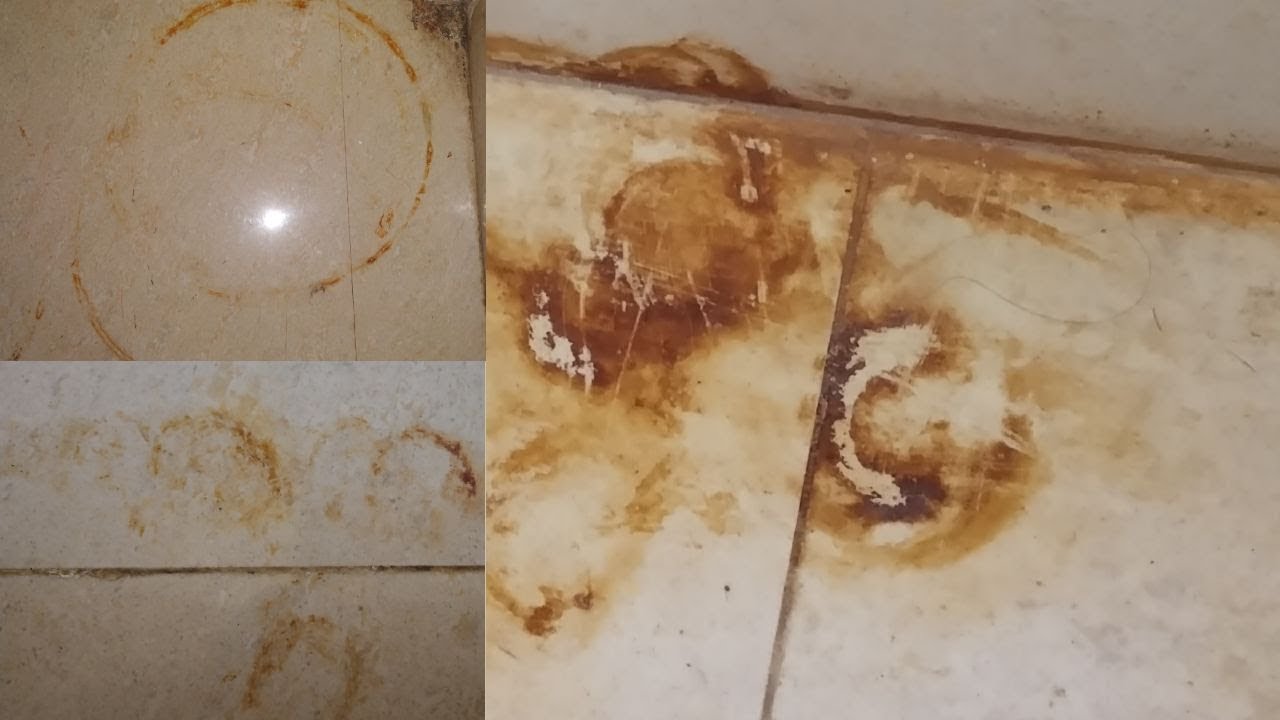
Removing rust from ceramic tile is a challenge many homeowners face. You might step into your bathroom or kitchen and notice brownish-red stains that refuse to wash away. These marks often come from metal objects left on the tile or from water with high iron content.
Rust not only looks dirty, but it can also make your tiles feel rough and old, even if they’re quite new. The good news? You do not need to replace your tiles. With the right methods and a little patience, you can restore your ceramic tiles to a clean, smooth look.
Many people try scrubbing harder or using regular cleaning products, but rust often remains. The problem is, rust bonds with the tile surface and becomes difficult to remove with just soap and water. This article will help you understand why rust forms, how to get rid of it, and how to prevent it from coming back.
Whether you prefer natural solutions, chemical cleaners, or professional advice, you’ll find practical steps here. You’ll also learn what mistakes to avoid, and how to protect your tiles in the future.
Understanding Rust Stains On Ceramic Tile
Before you start cleaning, it helps to know what you’re dealing with. Rust is a type of iron oxide, and it forms when iron or steel reacts with oxygen and moisture. On ceramic tile, rust usually comes from metal objects like shaving razors, cans, metal soap dishes, or even water pipes that touch or drip onto your tiles.
Sometimes, rusty water can leave stains if your plumbing has old iron pipes or if you live in an area with hard water.
Ceramic tile is made of clay, minerals, and water, fired at high temperature. The surface is often glazed, making it hard and shiny. But the glaze can be scratched, and small cracks or chips can let rust get a grip on the tile. That’s why some stains seem impossible to clean with regular methods.
Why Regular Cleaners Don’t Work
Most bathroom or kitchen cleaners are designed to remove dirt, soap scum, or mildew, but they are not formulated to dissolve rust. Rust is a chemical compound, and it needs a cleaner that can break down iron oxide. Using the wrong product may only make the stain worse or scratch your tiles.
Tools And Materials You’ll Need
To get the best results, you’ll need the right supplies. Here is a list of common items used for rust removal from ceramic tile:
- Rubber gloves (to protect your skin)
- Soft cloths or sponges
- Old toothbrush or soft nylon brush
- Baking soda
- White vinegar
- Lemon juice
- Salt
- Hydrogen peroxide (3% solution)
- Commercial rust remover (look for “safe for ceramic”)
- Plastic scraper or spatula (never use metal)
- Spray bottle
- Clean water
- Paper towels
- Masking tape (if protecting grout or nearby surfaces)
You do not need everything on this list for every method, but having several options gives you flexibility.

Credit: selleys.com.sg
Step-by-step Methods To Remove Rust From Ceramic Tile
You have several options to remove rust. Let’s look at the safest and most effective methods, starting with natural solutions and moving to stronger chemical cleaners.
1. Baking Soda Paste
Baking soda is gentle, non-toxic, and effective for light rust stains.
- Mix 3 parts baking soda with 1 part water to make a thick paste.
- Apply the paste to the rust stain.
- Let it sit for 15-30 minutes. This gives the baking soda time to break down the rust.
- Scrub gently with a soft brush or sponge.
- Rinse with clean water and dry with a soft cloth.
If the stain is lighter, you may see results after one application. For stubborn stains, repeat the process or try another method.
2. White Vinegar
Vinegar contains acetic acid, which can dissolve iron oxide without damaging ceramic glaze if used carefully.
- Soak a cloth or paper towel in white vinegar.
- Lay it over the rust stain for 10-20 minutes.
- Remove the cloth and scrub gently with a soft brush.
- Rinse thoroughly with water, as vinegar left on tile can dull the finish.
- Dry the area completely.
For stronger stains, you can add a little baking soda to the vinegar for a mild fizzing reaction that helps lift the rust.
3. Lemon Juice And Salt
This method is popular because both ingredients are safe and found in most kitchens.
- Squeeze fresh lemon juice directly onto the rust stain.
- Sprinkle a layer of salt over the juice.
- Let it sit for 20-30 minutes, but do not let it dry out completely.
- Scrub gently with a toothbrush or sponge.
- Rinse with clean water and dry.
Lemon juice contains citric acid, which helps dissolve rust, and the salt acts as a gentle abrasive.
4. Hydrogen Peroxide And Baking Soda
Hydrogen peroxide (3%) is safe for most ceramic tiles and acts as a mild bleach.
- Sprinkle baking soda on the rust stain.
- Pour a small amount of hydrogen peroxide over the baking soda.
- Let it bubble and sit for 10-15 minutes.
- Scrub gently, rinse, and dry.
This method can brighten the tile as well as remove rust. Always test on a small, hidden area first.
5. Commercial Rust Removers
If natural methods fail, you may need a commercial rust remover. Choose one labeled “safe for ceramic tile.”
- Read and follow the product’s instructions carefully.
- Wear gloves and ventilate the area.
- Apply the product to the stain, wait as directed (usually a few minutes).
- Scrub with a soft brush.
- Rinse thoroughly to remove all chemical residue.
Popular brands include Zud, Whink, and CLR. Always avoid products that contain hydrochloric acid, as they can damage tile glaze.
6. Mild Abrasive Pads
Sometimes, a stain is set in and needs a bit more force.
- Use a nylon scrub pad (never steel wool or metal brushes).
- Scrub gently in a circular motion.
- Rinse and check progress often.
Avoid over-scrubbing, as even gentle abrasives can dull the tile if used too much.
7. Specialized Tile Cleaners
Some products are made for ceramic tile and grout cleaning. These often have a blend of acids and detergents that target rust.
- Check that the product is designed for ceramic tiles.
- Test in a small area.
- Apply as directed and rinse well.
8. Professional Rust Stain Removal Products
For very tough stains, there are products available in hardware stores designed for rust on tiles, like Iron Out or Bar Keepers Friend.
- These often require less scrubbing and work faster.
- Always wear gloves and make sure the area has good airflow.
- Follow the manufacturer’s guidelines for safe use.
9. Cleaning Grout Around The Tile
Sometimes, rust stains get into the grout lines. Grout is porous, so stains can soak in.
- Use a baking soda and water paste or hydrogen peroxide.
- Scrub gently with a toothbrush.
- For deep stains, try a grout cleaner or a small amount of diluted bleach (test first).
- Rinse well and dry.
10. Using Poultices For Deep Stains
A poultice is a paste that draws stains out of porous surfaces.
- Mix baking soda and water (or hydrogen peroxide) into a thick paste.
- Apply to the stain, cover with plastic wrap, and tape down the edges.
- Leave for 12-24 hours.
- Remove, rinse, and dry.
This method is slow but useful for stains that seem “stuck” in the tile.
Comparing Rust Removal Methods
To help you choose, here is a simple comparison of the most popular rust removal methods for ceramic tile:
| Method | Effectiveness | Tile Safety | Time Needed | Cost |
|---|---|---|---|---|
| Baking Soda Paste | Good for light stains | Very safe | 30-45 min | Low |
| Vinegar | Moderate | Safe with rinsing | 20-30 min | Low |
| Lemon Juice & Salt | Moderate | Very safe | 30-45 min | Low |
| Hydrogen Peroxide | Good for stubborn stains | Safe | 15-30 min | Low |
| Commercial Remover | Very effective | Check label | 5-15 min | Medium |
| Nylon Abrasive Pad | Good for surface stains | Safe if gentle | 10-20 min | Low |
Mistakes To Avoid When Removing Rust From Ceramic Tile
Many people try to rush rust removal, which can lead to permanent damage or make stains harder to clean. Here are mistakes to avoid:
- Using metal tools: Never use steel wool, wire brushes, or metal scrapers. These scratch the glaze and can create more places for rust to form.
- Using strong acids: Products with hydrochloric acid or muriatic acid can etch and dull the tile.
- Over-scrubbing: Too much force can damage the tile surface, especially if using abrasive pads.
- Not rinsing well: Some cleaners leave a residue that can cause new stains or dull the finish.
- Ignoring grout: If you clean only the tile and not the grout, stains may return quickly.
- Not testing products: Always test in a hidden spot to check for color changes or surface damage.
- Letting stains sit: The longer rust stays, the harder it is to remove. Clean stains as soon as you see them.
Preventing Rust Stains On Ceramic Tile
Prevention is always better than cure. Here are practical ways to keep your ceramic tiles rust-free:
1. Remove Metal Items
Do not leave metal cans, razors, or tools on wet tile surfaces. Water and metal together often lead to rust.
2. Use Rust-proof Accessories
Choose plastic, ceramic, or stainless steel accessories for the bathroom and kitchen. These are less likely to leave rust marks.
3. Wipe Surfaces Dry
After showers or cleaning, use a towel to dry tiles, especially where water pools.
4. Fix Leaks
Repair dripping faucets or pipes quickly. Constant moisture increases rust risk.
5. Seal Grout
Apply a grout sealer every 1-2 years. Sealed grout is less likely to absorb stains, including rust.
6. Use Water Softeners
If your water has a high iron content, a water softener or filter can reduce rust stains.
7. Regular Cleaning
Clean your tiles weekly with a mild cleaner to remove minerals or debris before they cause stains.
8. Watch For Rusty Fixtures
Inspect drains, screws, and other metal parts. Replace any that show signs of rust to avoid staining the tile.
Credit: blog.filasolutions.com
Comparing Preventive Measures
How do different prevention strategies compare in terms of cost and effort? The following table offers a quick look:
| Prevention Method | Cost | Time/Effort | Effectiveness |
|---|---|---|---|
| Remove Metal Items | None | Low | High |
| Use Rust-Proof Accessories | Low-Medium | Low | High |
| Wipe Surfaces Dry | None | Medium | High |
| Fix Leaks | Medium | Medium | Very High |
| Seal Grout | Low | Medium | High |
| Water Softeners | High | Medium | Very High |
| Regular Cleaning | Low | Medium | High |
| Replace Rusty Fixtures | Medium | Low | High |
When To Call A Professional
Most rust stains can be removed with patience and the right tools. However, there are times when it’s better to call an expert:
- The rust stain covers a large area and does not fade after several cleaning attempts.
- The tile surface is cracked, chipped, or showing signs of permanent discoloration.
- You are worried about damaging expensive or historic tiles.
- The grout around the tile is badly stained or crumbling.
Professionals have stronger, tile-safe chemicals and can sometimes refinish or restore tiles if needed. Costs vary, but for valuable or rare tiles, expert help is often worth it.
Credit: www.youtube.com
Non-obvious Insights For Rust Removal
Many beginners believe that ceramic tile is nearly “stain-proof” because of its hard surface. In reality, even glazed tile can develop tiny scratches or pores that trap rust. One of the best ways to prevent stains is to regularly inspect your tile with a magnifying glass—this can help you catch and clean small marks before they grow.
Another thing most people miss: grout is almost always more vulnerable than the tile itself. Even if your tile looks clean, stained grout can make the whole floor appear dirty. Focusing your cleaning and prevention efforts on grout lines is often more effective than scrubbing the tiles.
Frequently Asked Questions
How Can I Tell If A Rust Remover Is Safe For My Ceramic Tile?
Always read the label for “safe for ceramic” or “tile-safe. ” Do a patch test in a hidden corner. If the tile changes color or loses shine, stop and rinse immediately. Avoid products with strong acids.
Can I Use Bleach To Remove Rust Stains From Ceramic Tile?
Bleach is not effective for rust. It can lighten some stains but usually doesn’t dissolve iron oxide. It also may damage colored grout. Use baking soda, vinegar, or a commercial rust remover instead.
What Should I Do If Rust Stains Keep Coming Back?
Check for metal objects left on the tile, leaky pipes, or rusty fixtures. Remove the source of moisture and replace any metal items with rust-proof versions. Consider sealing your grout and using a water softener if your water is high in iron.
Are There Any Natural Rust Removers That Work As Well As Chemicals?
Yes. Lemon juice, white vinegar, and baking soda are all effective for light to moderate stains. For heavy stains, you may need a commercial product, but starting natural is safer for your tiles and your health.
Is It Possible To Damage Ceramic Tile While Removing Rust?
Yes, if you use metal tools, strong acids, or scrub too hard. Always use soft brushes, plastic scrapers, and test products first. Never rush the process; patience protects your tile.
Restoring your ceramic tiles from rust stains is not just about making them look good—it’s about protecting your home’s value and hygiene. With the right approach, you can keep your tiles bright, smooth, and stain-free for years to come. For more on safe cleaning practices, check out Family Handyman for expert advice and step-by-step guides.