
Pawpaws are one of North America’s best-kept secrets. Their creamy, custard-like texture and tropical flavor surprise many who try them for the first time. But if you’ve ever picked or purchased fresh pawpaws, you quickly discover a challenge: they spoil fast. Properly storing pawpaws is essential if you want to enjoy their unique taste beyond a few days. Whether you grow them, forage for them, or buy them at a farmers’ market, knowing how to keep pawpaws fresh can make a big difference in reducing waste and extending their season.
In this guide, you’ll learn everything you need to know about storing pawpaws at home. You’ll find tips for short-term and long-term storage, advice for handling ripe versus unripe fruit, and strategies for freezing, drying, and even preserving pawpaws as pulp.
Along the way, you’ll discover common mistakes to avoid, and some insights that even experienced pawpaw lovers sometimes miss. By the end, you’ll be ready to store pawpaws like a pro—keeping their flavor alive for weeks or even months.
Understanding Pawpaws: Why Storage Matters
Pawpaws aren’t like apples or oranges. They have a thin, delicate skin and a soft, easily damaged interior. Once picked, they ripen quickly and can become overripe in just a couple of days at room temperature. Most pawpaws do not travel well, which is why you rarely see them in supermarkets.
Their high moisture content and lack of commercial breeding for durability means pawpaws start to break down soon after harvest. Storing them correctly is the only way to enjoy their flavor for more than a few days. If you’re used to storing other fruits, you’ll need to adjust your approach.
A quick look at pawpaw shelf life under different conditions:
| Storage Method | Approximate Shelf Life | Best For |
|---|---|---|
| Room Temperature | 1-3 days | Ripening unripe fruit, immediate use |
| Refrigerator (whole) | 5-7 days | Short-term storage of ripe fruit |
| Freezer (as pulp) | 6-12 months | Long-term use in baking, smoothies |
| Dehydrated/Dried | Up to 1 year | Snacking, portable uses |
Identifying Pawpaw Ripeness
Before you store a pawpaw, check its ripeness. This affects not only how you’ll store it, but also how long it will last.
- Unripe pawpaws are firm and often have a green skin. They are not ready to eat and may taste bitter.
- Ripe pawpaws are slightly soft to the touch, with a yellow-green or even brownish skin. Their aroma is strong and sweet.
- Overripe pawpaws are very soft, with black spots or bruises. They should be used immediately or processed for freezing.
A common mistake is to refrigerate unripe pawpaws. Cold can stop the ripening process and leave you with fruit that never sweetens properly. Always let pawpaws ripen at room temperature before considering refrigeration or freezing.
Short-term Storage: Keeping Pawpaws Fresh For Days
If you want to eat your pawpaws within a week, focus on short-term storage. The goal is to slow down ripening for ripe fruit, or to let unripe fruit reach peak flavor.
Storing Unripe Pawpaws
- Leave at room temperature: Place unripe pawpaws in a single layer, not stacked, on a counter or table.
- Keep out of direct sunlight: Sunlight can cause uneven ripening or overheating.
- Check daily: Pawpaws can ripen quickly—sometimes overnight.
Tip: Placing pawpaws in a paper bag can speed up ripening, especially if you add a ripe banana or apple to the bag. These fruits release ethylene gas, which helps pawpaws ripen.
Storing Ripe Pawpaws
Once your pawpaws are ripe, move them to the refrigerator if you’re not going to eat them right away.
- Wrap each pawpaw individually in paper towels or place in a perforated plastic bag. This prevents bruising and absorbs excess moisture.
- Store in the crisper drawer where humidity is higher, which helps keep the fruit from drying out.
Pawpaws stored in the fridge will last 5 to 7 days. But check them daily—overripe pawpaws can turn mushy and start to ferment.
Common Mistakes In Short-term Storage
- Refrigerating unripe pawpaws (they will not ripen properly).
- Stacking pawpaws, which can cause bruising and early spoilage.
- Storing in airtight containers (traps moisture and encourages mold).
Long-term Storage: Freezing Pawpaws
If you have a large harvest or want to enjoy pawpaws out of season, freezing is the best way to store them. Because pawpaws have a custard-like texture, they freeze well as pulp.
Preparing Pawpaw Pulp For Freezing
- Wash the fruit: Remove any dirt from the skin before cutting.
- Cut pawpaws in half lengthwise: Use a sharp knife and avoid squishing the flesh.
- Scoop out the seeds: Pawpaws have large, dark seeds. Remove all seeds carefully.
- Spoon out the flesh: Use a spoon to scoop the soft pulp into a clean bowl.
- Mash the pulp: Some people like to mash the pulp with a fork for smoother consistency.
Tip: For best results, freeze only ripe pawpaws. Unripe fruit will not improve in the freezer.
Freezing Options
- Freezer-safe containers: Fill containers with pawpaw pulp, leaving about 1 inch of space at the top. This allows for expansion as the pulp freezes.
- Zip-top freezer bags: Portion out the pulp and lay the bags flat for easier stacking.
- Ice cube trays: For small servings (like smoothies), freeze pulp in ice cube trays. Once frozen, transfer cubes to a freezer bag.
Labeling And Date Tracking
Always label your containers or bags with the date of freezing. Pawpaw pulp can last 6 to 12 months in the freezer, but quality is best within the first 6 months.
Thawing Frozen Pawpaw
Thaw frozen pulp in the refrigerator overnight, or use the microwave on a low setting if you need it fast. Once thawed, use it within 1-2 days.
Avoiding Freezer Burn
Air is the enemy of frozen food. Squeeze out as much air as possible from freezer bags, or use a vacuum sealer for the best results. Freezer burn can dry out pawpaw pulp and ruin the flavor.
Storing Whole Pawpaws In The Freezer
Although freezing pawpaw pulp is most common, some people wonder about freezing whole pawpaws. It’s possible, but not recommended for most uses.
- Texture loss: Whole frozen pawpaws become mushy when thawed, and the skin can separate from the flesh.
- Difficult to remove seeds after freezing: Once thawed, the fruit is soft and hard to handle.
If you do freeze whole pawpaws, wash and dry them first, then wrap individually in plastic wrap and place in a freezer bag. Use within a few months for best quality. Most people prefer to process into pulp first.
Drying And Dehydrating Pawpaws
Another method for long-term storage is drying. Dehydrated pawpaw slices make a unique snack and are easy to pack for travel.
How To Dehydrate Pawpaws
- Use fully ripe pawpaws: Peel and remove seeds.
- Slice thinly (about 1/4 inch thick): Uniform slices dry more evenly.
- Arrange on dehydrator trays: Do not overlap slices.
- Set dehydrator to 135°F (57°C): Dry for 8-12 hours, checking for a leathery texture.
If you don’t have a dehydrator, you can use an oven at its lowest setting, but watch closely to prevent burning.
Storing Dried Pawpaws
Place dried slices in an airtight container or glass jar. Store in a cool, dark place. Properly dried pawpaws will last up to a year.
Tip: For extra protection, add a food-safe desiccant packet to absorb any residual moisture.
Rehydrating Dried Pawpaws
Soak dried slices in warm water for 30 minutes if you want to use them in baking or desserts. Otherwise, enjoy as-is for a chewy, naturally sweet snack.
Credit: greatescapefarms.com
Pawpaw Pulp: Storage, Uses, And Preservation
Pawpaw pulp is versatile and can be used in many recipes. Knowing how to store and preserve pawpaw pulp is helpful if you plan to bake, make smoothies, or prepare desserts throughout the year.
Canning Pawpaw Pulp
Canning is possible, but pawpaw’s low acidity means you must use a pressure canner for safety. Water bath canning is not safe for pawpaw pulp.
- Prepare pulp as for freezing: Scoop and mash.
- Fill sterilized jars: Leave 1 inch of headspace.
- Process in a pressure canner: Follow manufacturer guidelines for times and pressures (usually 10-15 psi for 15-20 minutes).
Properly canned pawpaw pulp can last up to 1 year in a cool, dark pantry.
Making Pawpaw Jam Or Preserves
Because pawpaw has a mild flavor, pairing it with lemon or lime juice (for acidity) and sugar makes for delicious jams. Store jam in sterilized jars using standard water bath canning techniques. Sealed, unopened jars last up to a year; refrigerate after opening.
Using Frozen Pawpaw Pulp
Thawed pulp works well in:
- Smoothies
- Muffins and quick breads
- Ice cream or frozen desserts
- Custards and puddings
The texture changes slightly after freezing, but the flavor remains strong.
Comparing Storage Methods
Which storage method is best for you? Here’s a quick comparison:
| Method | Effort Required | Best For | Drawbacks |
|---|---|---|---|
| Room Temperature | Low | Ripening, short use | Very short shelf life |
| Refrigeration | Low | Short-term storage | Limited to 1 week |
| Freezing (Pulp) | Medium | Long-term baking, smoothies | Texture changes after thawing |
| Drying | Medium-High | Snacks, portability | Loss of creamy texture |
| Canning | High | Preserves, jam | Requires pressure canner |
Common Mistakes When Storing Pawpaws
Even experienced pawpaw fans sometimes make errors that lead to waste. Here are a few to watch for:
- Ignoring ripeness: Storing unripe and ripe pawpaws together can cause overripening.
- Using airtight containers in the fridge: This can trap moisture and speed up spoilage.
- Not labeling frozen pulp: It’s easy to lose track of how long something’s been in your freezer.
- Forgetting to check for spoilage: Mold or fermentation can set in fast.
- Thinking pawpaws last as long as apples: They don’t! Always plan to use or preserve within a week of ripening.
Advanced Tips For Serious Pawpaw Lovers
If you handle large quantities of pawpaws, or want to share them with friends and family, these advanced tips can help:
- Vacuum sealing: For frozen pulp, use a vacuum sealer to extend freezer life and prevent freezer burn.
- Batch processing: Process large harvests into pulp, then freeze in small portions. Easier to thaw just what you need.
- Flavor pairings: Add a few drops of lemon juice to the pulp before freezing to help preserve color and brighten flavor.
- Pawpaw ice cream base: Mix thawed pulp with sweetened condensed milk and cream for a quick, no-churn ice cream.
- Gift jars: Canned pawpaw jam makes a unique and appreciated gift.
Safety And Food Quality
Like all fruit, pawpaws can attract mold and bacteria if handled poorly. Always wash hands and tools before processing. If you see signs of spoilage—off smells, visible mold, or a fermented taste—discard the fruit or pulp.
Pawpaws are not known for causing allergic reactions, but some people are sensitive to the seeds or skin. Always remove seeds before eating or storing.
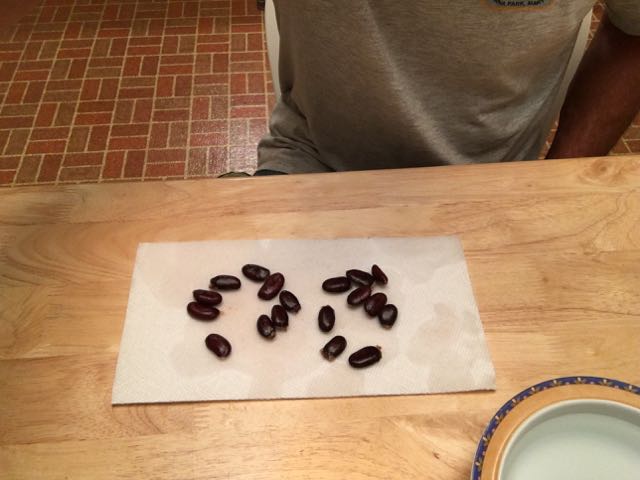
How To Store Pawpaw Seeds
If you want to plant pawpaw seeds, storage is different from storing the fruit for eating. Seeds need stratification (a cold, moist period) to germinate.
- Clean seeds well: Rinse off all pulp.
- Place in moist sand or peat moss: Store in a plastic bag.
- Refrigerate for 90-120 days: Do not let them dry out.
- Plant in spring: Fresh seeds have the highest germination rate.
Tip: Never let pawpaw seeds dry completely—they quickly lose viability.
How Storage Affects Pawpaw Flavor
Fresh pawpaws have a unique flavor that mixes banana, mango, and melon. Storage can change both texture and taste:
- Refrigeration may dull some of the aroma but keeps the creamy texture.
- Freezing preserves most flavor, but the pulp may become watery after thawing.
- Drying concentrates sweetness but loses the custardy mouthfeel.
If you are new to pawpaws, try eating them at different stages and in various forms to discover your preferred way.
Real-world Example: Handling A Large Pawpaw Harvest
Imagine you have a bumper crop of pawpaws—say 20 pounds (about 9 kg). Here’s how you might store them:
- Sort by ripeness: Separate ripe from unripe fruit.
- Eat or refrigerate ripe fruit: Use within a week.
- Let unripe fruit ripen at room temperature.
- Process the majority into pulp: Freeze in 1-cup portions for use in recipes.
- Dry a few for snacks: Use a dehydrator for easy trail food.
- Make jam or preserves: Use as gifts or for winter breakfasts.
This approach spreads your harvest across several months, with minimal waste.

Credit: extension.purdue.edu
International Storage Differences
In the United States, pawpaw season is short (usually late August to early October). In other countries, storage methods may depend on local climate and availability of refrigeration.
- Warm climates: Use refrigeration or dehydration quickly after harvest.
- Limited electricity: Drying is the safest method.
- No pressure canner: Focus on freezing pulp rather than canning.
In all cases, the core principles remain: handle gently, avoid bruising, and check for ripeness before storing.
Key Points To Remember
- Room temperature is for ripening only, not long-term storage.
- Refrigeration gives you up to a week for ripe fruit.
- Freezing pulp is the best way to enjoy pawpaws out of season.
- Drying makes a portable, long-lasting snack.
- Always process pawpaws gently—they bruise and spoil easily.

Credit: www.youtube.com
Frequently Asked Questions
What Is The Best Way To Store Pawpaws For More Than A Month?
Freezing pawpaw pulp is the best long-term storage method. Simply scoop out the pulp, place in freezer-safe containers or bags, and freeze. Properly frozen pulp will last 6-12 months and is perfect for smoothies, baking, or desserts.
Can You Refrigerate Unripe Pawpaws?
No, you should not refrigerate unripe pawpaws. Cold storage can stop the ripening process and leave you with fruit that never softens or sweetens properly. Always let pawpaws ripen at room temperature before refrigeration.
How Can You Tell If A Pawpaw Has Gone Bad?
Signs a pawpaw is spoiled include a sour or fermented smell, excessive mushiness, visible mold, or a fizzy taste. If in doubt, throw it out. Pawpaws spoil quickly, so check stored fruit often.
Is It Safe To Eat Pawpaw Seeds?
No, pawpaw seeds are not edible and can be toxic if ingested in large amounts. Always remove seeds before eating or processing the fruit.
Can You Dry Pawpaws Without A Dehydrator?
Yes, you can dry pawpaw slices in a conventional oven set to the lowest temperature. Place slices on a baking sheet lined with parchment paper, and prop the oven door open slightly to allow moisture to escape. Watch closely to avoid burning.
For more detailed information and research on pawpaws, visit the Wikipedia page on Asimina triloba.
Storing pawpaws isn’t difficult, but it does require care and a little planning. With the right techniques, you can enjoy this rare fruit’s flavor long after the short harvest season ends.