
Storing spices for the long term is a skill that can transform your cooking and save you money. Many people spend years buying spices, only to find that their flavors fade quickly or, worse, the spices spoil before they can be used up.
This is frustrating, especially if you cook with spices regularly. The good news is, anyone can master the art of storing spices and keep them fresh for months or even years. With the right methods, you can enjoy powerful flavors and aromas every time you cook, while avoiding waste.
Understanding how to keep spices fresh is not just about buying fancy jars or putting them in a dark cabinet. It means knowing how light, air, moisture, temperature, and even the type of spice can change how long your spices last.
In this guide, you’ll learn exactly what you need to do, step by step, to protect your spices and preserve their strength. Whether you have a few jars or a whole pantry, you’ll find practical tips, common mistakes to avoid, and even insights most beginners miss.
Why Long-term Spice Storage Matters
Spices are more than just flavor. They often cost more per gram than meat or vegetables, especially rare ones like saffron or vanilla. Good storage helps you:
- Save money by avoiding waste.
- Keep your recipes consistent and delicious.
- Protect your investment in high-quality spices.
According to the USDA, dried spices can lose up to 50% of their flavor within one year if stored poorly. That means your favorite curry or soup might taste bland, even if you follow the recipe perfectly.
Many people think they can just buy new spices when the old ones lose their punch. But this approach wastes money and often leads to a cluttered kitchen full of forgotten, flavorless jars. Well-stored spices can keep their strength for years, letting you enjoy better meals and spend less.
If you love to cook or bake, you know how much difference a fresh spice can make—a pinch of vivid cinnamon or pepper can elevate a whole dish.
People who make spice blends or buy expensive spices, like cardamom pods or vanilla beans, have even more reason to care. These can cost a lot. If you lose them to poor storage, you lose not just money but also the chance to create dishes with true, rich flavor.
Long-term storage is not just for professionals or food preppers—it’s something every home cook can benefit from.
Understanding Different Types Of Spices
Not all spices are the same. Some are whole spices (like peppercorns, cloves, or cinnamon sticks), while others are ground spices (like turmeric powder or ground cumin). Their structure affects how you should store them.
Whole spices hold their flavor much longer. For example, whole black pepper can keep its taste for up to 4 years, while ground pepper might lose it in 2-3 years. Seeds like mustard and coriander also store well whole.
A simple rule: The finer the grind, the faster the spice loses flavor. So, if you want spices to last, buy whole and grind as needed.
For example, if you compare whole cumin seeds and cumin powder, the seeds may stay fresh for years, while the powder might go bland in less than a year. The oils inside a whole spice are protected from air, light, and moisture until you break them open.
This is why many chefs recommend investing in a small spice grinder or even a mortar and pestle. Grinding fresh spices right before cooking releases their aroma and flavor in a way that pre-ground spices never can.
Some spices, like paprika and chili powder, are almost always sold ground because their whole form is tough to use in recipes. With these, it’s especially important to buy only what you’ll use in a few months and store them carefully.
Leafy spices like dried basil and oregano also lose their power quickly, so treat them more like ground spices.
The Enemies Of Spices: What Causes Flavor Loss
Five main factors cause spices to lose their quality:
- Air (Oxygen): Oxidizes flavors and aromas.
- Light: Breaks down the chemical compounds that give spices their taste.
- Moisture: Causes clumping, mold, and loss of flavor.
- Heat: Speeds up chemical reactions that fade flavor.
- Time: Even with the best storage, all spices lose potency eventually.
Understanding these helps you design the best storage system for your kitchen.
Let’s look at some practical examples. If you leave paprika in a clear jar on a sunny kitchen shelf, the color fades and the spice turns bland within weeks. If you store cinnamon sticks in a sealed container in a dark, cool drawer, they can last for years.
Even the humidity in the air when you open a jar over a steaming pot can add enough moisture to start clumping or spoilage.
One insight that beginners often miss is that even a small amount of air or light exposure, repeated over time, can add up. For example, opening a big container again and again lets in fresh air each time. This is why using smaller jars for daily use is much better than one large jar you open often.
Best Containers For Spice Storage
The right container is your first defense. Not all jars or bags are equal. Here’s how common spice containers compare:
| Container Type | Pros | Cons | Best Use |
|---|---|---|---|
| Glass Jars (airtight) | Non-reactive, see contents, airtight | Breakable, lets in light | Most spices (store in dark place) |
| Metal Tins | Blocks light, sturdy | May react with acidic spices, not see-through | Light-sensitive spices |
| Plastic Containers | Cheap, lightweight | Can absorb smells, less airtight | Short-term use |
| Vacuum-Sealed Bags | Removes air, great for long-term | Hard to reseal, not for daily use | Bulk storage, rarely used spices |
Key tip: For everyday use, airtight glass jars are the best choice. For bulk storage, use vacuum-sealed bags or containers.
Airtight containers stop flavor loss by blocking out air and moisture. If you have children or a busy kitchen, choose sturdy glass jars with rubber seals or food-safe silicone gaskets. Old spice jars from the store are often not airtight enough for long-term use, so consider upgrading.
For people who live in sunny places, metal tins are a smart choice—they block all light, which is important for colorful spices like turmeric and chili powder.
If you use a lot of different spices, try using uniform jars or tins. This keeps your shelf organized and makes it easier to see when something is running low or needs replacing. For people who want to go the extra mile, using small amber or dark blue glass jars further protects your spices from light.

Credit: theprovidentprepper.org
How To Store Whole Vs. Ground Spices
The way you store spices depends on whether they’re whole or ground.
- Whole spices: Keep in small, airtight containers. Store in a cool, dark place. For long-term (over 1 year), vacuum-seal and freeze.
- Ground spices: Use airtight jars. Keep away from heat and sunlight. Consider buying in small amounts, as they lose flavor quickly.
A common mistake is keeping ground spices for years. If you buy in bulk, try to use them within 6-12 months.
Here’s a practical example: If you buy a big bag of cumin seeds, split them. Keep a small jar for daily use and seal the rest in a vacuum bag in the freezer. For ground cinnamon, only buy what you expect to use in a few months. If you want to keep more, freeze the extra in a small sealed bag and only refill your jar as needed.
With ground spices, every time you open the container, oxygen gets inside and starts the process of flavor loss. That’s why refilling from a backup bag, rather than opening a big jar repeatedly, helps. For spices you use only once or twice a year—like cloves or star anise—storing them whole and grinding only when needed can make a huge difference.
Where To Store Spices: The Best Locations
The classic mistake is to keep spices above the stove. While convenient, this is one of the worst places due to heat and steam. Instead, choose these locations:
- Cool, dark cabinets: Far from the oven, stove, or dishwasher.
- Pantry shelves: Especially if they’re away from windows.
- Drawers: For easy access and darkness.
- Freezer: For long-term storage, especially rare or expensive spices.
Never store spices near windows, appliances that give off heat, or in the refrigerator (except for some special cases).
The reason for these choices is simple: heat, light, and humidity ruin spices. Even a small, sunny spot or a shelf above the dishwasher can expose your spices to enough warmth to fade their flavor in weeks. Try to pick a spot where the temperature stays steady. If your kitchen gets very hot in summer, you might want to move your most valuable spices to a cooler room or even a closet.
Drawers are often overlooked but can be ideal for spices. They keep out light, are easy to organize with racks or dividers, and can be close to your work area without being near heat. If you use a pantry, keep spices on a middle shelf, not too high (where it gets warmer) or too low (where it might be damp).
How Temperature And Humidity Affect Spices
Temperature swings and humidity are silent killers for spice freshness. Spices do best at temperatures below 21°C (70°F) and humidity under 60%.
If you live in a hot, humid place, consider:
- Using silica gel packets in spice jars.
- Storing bulk spices in airtight bags inside the freezer.
- Avoiding opening jars over boiling pots (steam adds moisture).
Example: In coastal areas, ground spices can clump in days if not sealed well.
Humidity is especially dangerous because it not only causes clumping but can let mold grow unseen. If you see even a little mold, throw the spice out immediately. In very humid places, you might notice your salt and spices absorbing moisture and turning hard, especially if left in open containers.
Silica gel packets are a cheap solution—just make sure they never touch the food directly. Instead, tape them to the inside of the lid.
If you don’t have air conditioning, or if your kitchen is in a basement or near a bathroom, check your spices more often. You may need to switch to smaller jars or store only small amounts in the kitchen, keeping the rest sealed away in a cooler, drier spot.
Freezing And Refrigerating Spices: When And How
Freezing is useful for long-term storage, but not all spices handle it well.
- Whole spices: Freeze well if vacuum-sealed. Let them come to room temperature before opening, to avoid condensation.
- Ground spices: Can be frozen, but may lose texture or clump.
Do not freeze spices you use daily, as repeated thawing adds moisture.
Refrigeration is rarely recommended, except for fresh spices (like ginger root or turmeric root).
If you need to freeze spices, only do it once. Take out what you need, and avoid putting it back in. For example, keep a small jar in your pantry and the rest in the freezer. When you need to refill, let the backup spice come to room temperature before opening, so water doesn’t collect on the spice.
Condensation is the main risk with freezing, as even a little water can lead to mold.
Some people wonder if they can freeze spice blends. Most blends, especially those containing salt or sugar, don’t freeze well because they can become wet and lumpy. It’s better to store these in airtight containers at room temperature and make smaller batches more often.
Bulk Buying And Long-term Storage
Buying spices in bulk can save money, but only if you store them well.
- Split spices into small jars for daily use and larger bags for backup.
- Use vacuum sealers for backup storage.
- Label everything with the date of purchase.
Here’s a comparison of bulk storage methods:
| Storage Method | Flavor Retention (years) | Cost | Recommended For |
|---|---|---|---|
| Vacuum-sealed bags (freezer) | 2–4 (whole), 1–2 (ground) | Medium | Bulk, rare spices |
| Mylar bags with oxygen absorbers | 3–5 (whole) | High | Doomsday prep, very long-term |
| Standard airtight jars (pantry) | 1–2 (whole), 0.5–1 (ground) | Low | Everyday use |
If you decide to buy a kilogram of black peppercorns, for example, split it into several vacuum-sealed bags, each enough to last a few months. Only open one at a time. This way, most of your supply stays untouched by air or moisture.
If you use a spice rarely, consider trading extra with a friend or giving some away, rather than letting it sit unused.
One common mistake is not labeling the date. Even the best storage is useless if you forget how old a spice is. Use a marker or sticky label to write the purchase month and year. Every few months, check your jars and use up or toss anything that seems old or stale.
Labeling And Rotation: The Secret To Zero Waste
Most people forget what spices they have, leading to waste. Professional kitchens use a system called FIFO: First In, First Out.
- Label every jar with the spice name and date.
- Use older spices first.
- Review your spices every 3–6 months and toss those that smell weak or off.
This simple routine keeps your spice rack fresh and organized.
If you have a big collection, make a quick list of what you have. Stick it inside your cabinet or pantry door and update it when you buy or finish a spice. This not only helps you avoid buying duplicates but also reminds you to use what you already have.
If you notice a spice isn’t getting used, look up a new recipe or blend to use it up before it goes bad.
Rotation is especially important for blends and ground spices, which fade faster. If you’re unsure about a jar, compare its aroma to a fresh sample if you have one. If in doubt, toss it—dull spices won’t add anything good to your food.
Protecting Spices From Pests
Insects like weevils and pantry moths love spices, especially in warm, humid climates.
To avoid infestation:
- Store spices in glass or metal containers, not paper or thin plastic.
- Keep pantry clean and dry.
- For large bags, freeze for 48 hours before storing, which kills any eggs.
If you find pests, throw out affected spices and clean the storage area thoroughly.
It’s easy to miss the early signs of pests, especially with ground spices. Watch for fine webbing, small holes, or odd smells. If you see these, check all nearby food items and clean shelves with hot, soapy water. For extra protection, add a bay leaf to your jar—some people believe it helps repel bugs, though this is not always proven.
For people who live in old houses or apartments, regular inspection is key. Even one infested jar can spread pests quickly. If you buy spices from bulk bins, always check for insects before storing.
Using Oxygen Absorbers And Silica Gel
Oxygen absorbers are small packets that remove oxygen from sealed containers. They can double or triple the shelf life of whole spices, especially in mylar bags.
Silica gel packets absorb moisture and are useful in humid climates. Place one in each large spice jar (but never let them touch the spice directly).
These tools are cheap and easy to buy online or at kitchen supply stores.
For example, if you live in the tropics, adding a silica gel packet to each bulk spice jar can save you from clumping or mold. If you store spices in mylar bags for years, oxygen absorbers are a must—they keep spices fresh even if you open the bag months or years later.
If you’re serious about long-term storage (such as emergency prepping), using both silica gel and oxygen absorbers together is smart. Just remember to keep them separate from the actual spices—tape the packets to the inside of the lid or use a small mesh bag.
Signs Your Spices Have Gone Bad
Spices rarely “spoil” like fresh food, but they lose potency or develop off odors. Here’s how to check:
- Color: Faded color means faded flavor.
- Aroma: Rub between fingers—no smell, no flavor.
- Taste: If it tastes flat or bitter, toss it.
- Texture: Clumping or mold is a sign of moisture.
Don’t risk using musty or moldy spices. It’s safer to replace them.
Sometimes, you might notice small bugs or webbing inside a spice jar—this means pests got in, and you need to throw out the whole jar. For ground spices, especially blends, pay attention to how they mix—if they clump or look wet, they may have absorbed moisture.
If you’re unsure about a spice, compare it to a fresh sample from the store. Trust your senses—spices should smell strong and taste lively, not dull or bitter.
Special Considerations For Rare And Expensive Spices
Spices like saffron, vanilla beans, and whole nutmeg need extra care.
- Store in small glass vials inside airtight tins.
- Keep in the dark, away from heat.
- For vanilla beans, wrap in parchment before sealing.
- For saffron, use small glass containers and avoid freezing.
These spices can cost hundreds of dollars per kilo, so invest in proper storage.
For example, saffron threads are delicate. Exposing them to air or sunlight can ruin their taste and color within weeks. Vanilla beans dry out quickly if not protected. Wrapping them in parchment or wax paper helps slow moisture loss, and storing in an airtight container keeps them soft and fragrant.
Whole nutmeg is best kept whole until you’re ready to grate it; once ground, it loses flavor in weeks.
If you buy a rare spice as a gift or for a special recipe, store it as soon as you get home—don’t leave it in a paper bag or plastic wrap from the store. For all rare spices, smaller containers are better to reduce air exposure.

Credit: www.tightvac.com
How To Store Spice Blends
Spice blends (like curry powder or garam masala) often lose flavor faster than single spices because they mix ground ingredients.
- Store in small, airtight jars.
- Make small batches if possible.
- Avoid plastic, as blends can absorb smells.
For homemade blends, use within 6 months for best flavor.
Making your own blends is a great way to customize your cooking, but remember they fade quickly. Try blending just enough for a few weeks and keep the rest of your spices whole until you need them. This way, your blends always taste fresh.
Store blends in the smallest jar that fits, to reduce air space. If you use a lot of one blend, keep a backup batch sealed in a freezer bag, but only open when you run out. If you notice your blend smells weak, it’s time to mix a new one.
Storing Spices For Emergency Preparedness
For long-term food storage or emergency kits, use the following method:
- Vacuum-seal whole spices in small bags.
- Add oxygen absorbers.
- Place inside mylar bags for double protection.
- Store in a cool, dry place.
This can keep spices usable for 3–5 years, giving you flavor even in emergencies.
One thing many people miss: whole spices are best for prepping. They last longer and are less likely to spoil. If you want to store ground spices, make sure to seal them as airtight as possible and rotate them every year or two.
Emergency kits with spices not only improve food taste in tough situations but can also boost morale. A little cinnamon or chili powder makes simple foods more enjoyable, and a good meal can lift spirits during hard times.
Common Mistakes To Avoid
Even experienced cooks make storage errors. The most common are:
- Storing above the stove or near heat.
- Using large jars for spices used slowly.
- Keeping spices in their original paper or plastic supermarket bags.
- Forgetting to label or rotate stock.
Avoiding these mistakes will keep your spices fresh longer.
Another mistake is buying more than you need. Spices are tempting, especially in big stores or markets, but unless you use them often, they’ll go stale before you finish them. Also, don’t scoop spices from jars with wet or dirty hands—a little moisture is all it takes to ruin a jar.
Non-obvious Insights Most Beginners Miss
- Spice freshness is more about aroma than expiration date. Sometimes, spices “expire” on paper but are still full of flavor if stored well. Always trust your nose.
- Buying in small amounts beats bulk for everyday cooks. The temptation to buy large bags is strong, but unless you use a spice weekly, small jars keep your collection fresher.
- Grinding your own spices unlocks more than just flavor. It helps you notice when a spice goes stale, as whole spices are more fragrant when fresh.
Another tip: If you find a spice is losing its punch but not yet bad, try toasting it lightly in a dry pan before using. This can revive some aroma and flavor, especially for cumin, coriander, or pepper.
Lastly, avoid mixing old and new spices in the same jar. Always finish the old before adding new, or you risk making the whole batch fade faster.
Practical Step-by-step Guide To Storing Spices For Long Term
If you want a simple process, follow these steps:
- Buy whole spices when possible.
- Transfer to airtight glass or metal containers.
- Label with the purchase date.
- Store in a cool, dark place (pantry, drawer, or freezer for bulk).
- Add silica gel if you live in a humid area.
- Rotate regularly—use older spices first.
- Check aroma and color every few months.
- Make small batches of blends for best flavor.
- Vacuum-seal bulk spices for emergency or long-term storage.
- Keep containers clean and dry.
This routine works for both home cooks and professionals.
For example, after you buy a bag of whole coriander, pour some into a small jar for your spice rack, seal the rest in a vacuum bag, and store it in the freezer. Every time you finish a jar, clean and dry it before refilling to avoid leftover moisture or old smells.
Frequently Asked Questions
How Long Do Spices Really Last?
Most whole spices last 2–4 years, while ground spices keep their best flavor for 6 months to 2 years if stored well. However, always check aroma and color, as these are better signs of freshness than printed dates.
Can You Store Spices In The Refrigerator?
Generally, it’s not recommended. The fridge can cause condensation, which makes spices clump or spoil. The exception is fresh spices (like ginger or turmeric root) or if you live in a very hot climate with no other cool storage.
Is It Safe To Use Expired Spices?
Expired spices are safe to eat, but their flavor and aroma will be weak. If they smell musty, moldy, or have changed color, throw them out.
What Is The Best Way To Store Large Quantities Of Spices?
Vacuum-seal whole spices in small bags and freeze for long-term storage. For daily use, keep a small jar in the pantry and refill from the freezer as needed.
Are There Any Spices That Should Not Be Frozen?
Yes, don’t freeze saffron, vanilla beans, or spice blends with salt or sugar, as freezing can change their texture or flavor. These are best kept in airtight containers in a cool, dark place.
Storing spices for the long term is not complicated, but it does require a little planning and care. By understanding what affects spice freshness and using the right containers and locations, you can keep your spices potent and flavorful for years. A small investment in good storage saves money, reduces waste, and keeps your cooking vibrant. For more detailed food safety information, see the guidelines from the USDA Food Safety and Inspection Service.
With these methods, your spice rack will become a source of joy, not frustration—bringing rich tastes and aromas to your kitchen, every time you cook.
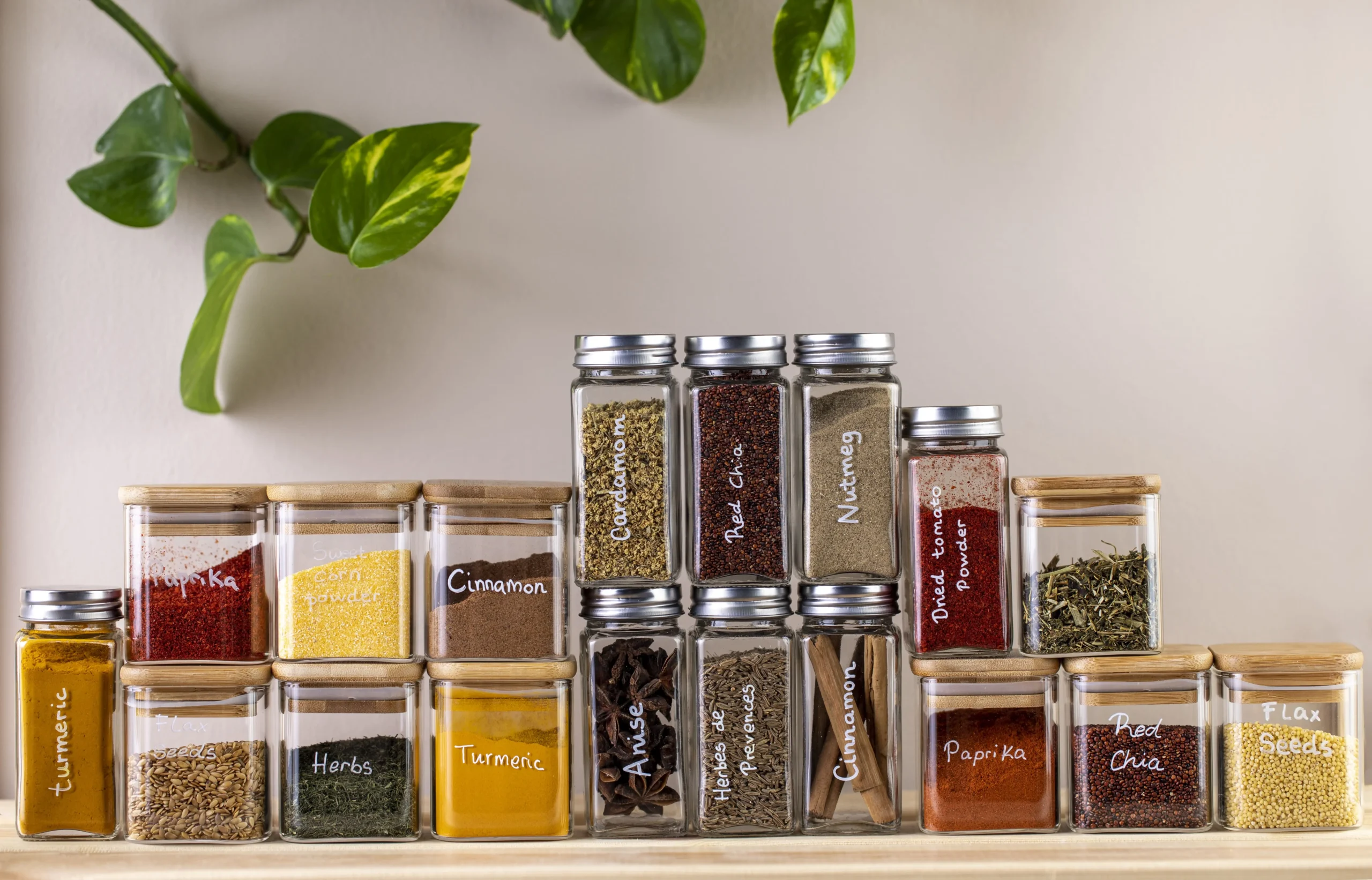
Credit: keralaspiceswholesale.com