
Damascus steel knives are more than just kitchen tools. For many people, they are a work of art, a symbol of craftsmanship, and a personal investment. With their beautiful, wavy patterns and legendary strength, these knives can last for decades—or even generations—if you care for them the right way.
But many new owners make mistakes that can damage the blade, dull the edge, or ruin the finish. Whether you’ve just bought your first Damascus steel knife or want to keep your collection looking and working its best, this guide will show you how to protect your investment and enjoy your knife for years to come.
What Makes Damascus Steel Special?
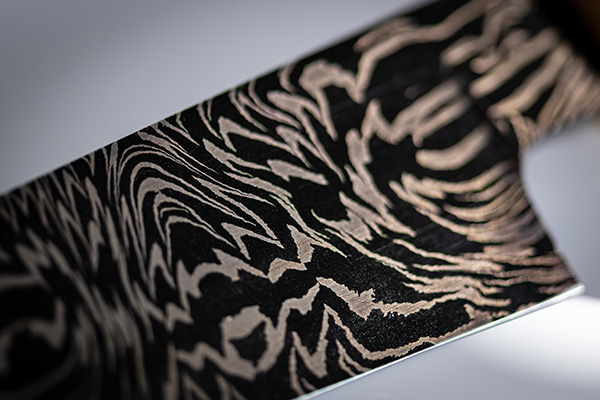
To understand the care these knives need, it helps to know what makes Damascus steel different. Classic Damascus steel was made centuries ago by forging together iron and steel, creating unique patterns known as “watered” or wavy designs. Modern Damascus knives are usually made by folding and welding together several layers of steel. This process creates a blade with excellent hardness, sharpness, and a beautiful appearance.
The two main reasons people choose Damascus knives are:
- Aesthetic patterns: The layered design is visually striking and unique to each blade.
- Performance: The blend of hard and soft steels gives a balance of sharpness and durability.
But these same qualities also mean that Damascus knives can be sensitive to moisture, chemicals, and rough treatment.
Essential Daily Care Habits
How you use and handle your knife every day will decide how long it lasts and how good it looks. Here are the daily habits every Damascus steel owner should follow:
1. Always Hand Wash
Never put a Damascus knife in the dishwasher. The high heat, harsh detergents, and contact with other items can damage the blade and handle. Instead:
- Wash your knife by hand using lukewarm water and mild dish soap.
- Gently wipe the blade with a soft sponge or cloth.
- Rinse off all soap and dry immediately with a clean towel.
Water can cause rust, and some dish soaps contain chemicals that may dull the steel or ruin the pattern. Quick, gentle washing is best.
2. Dry Immediately
Leaving a Damascus blade wet is one of the most common mistakes people make. Even stainless Damascus can develop rust if moisture is left on the surface.
- After washing, dry your knife completely, especially around the handle and the blade’s edge.
- Avoid air-drying, as this can leave water spots and increase rust risk.
3. Store Properly
Storing your knife the right way protects both the blade and the pattern.
- Use a wooden knife block, magnetic strip, or blade guard.
- Never toss your knife into a drawer with other utensils—this will dull the edge and scratch the finish.
- If storing for a long time, lightly oil the blade before putting it away.
4. Avoid Cutting Hard Materials
Damascus knives are designed for slicing, not for chopping bones, frozen food, or hard objects like glass or ceramic. These can chip or damage the edge.
- Use a cutting board made of wood or soft plastic.
- Avoid glass, marble, or granite surfaces, which can dull the blade quickly.
5. Regularly Inspect Your Knife
Take a moment after each use to check for signs of rust, spots, or damage. Early detection helps you fix small problems before they become big ones.
Credit: www.tharwavalleyforge.com
Deep Cleaning And Maintenance
Even with careful daily use, your Damascus knife will need deeper cleaning and maintenance from time to time. Here’s how to keep it in top condition:
Removing Stains And Rust
If you notice small rust spots or stains, act quickly.
- Mix baking soda with a little water to make a paste.
- Gently rub the affected area with a soft cloth or toothbrush.
- Rinse and dry fully.
For more stubborn rust, you can use a soft pencil eraser or a non-abrasive metal polish. Never use steel wool or rough scrubbers—these can scratch the blade and ruin the pattern.
Polishing The Blade
To restore the shine and highlight the Damascus pattern:
- Use a high-quality metal polish designed for knives.
- Apply a small amount to a soft cloth and rub gently along the grain.
- Wipe off any excess and buff with a clean, dry cloth.
Be careful: too much polishing can wear away the top layers and fade the pattern over time.
Oiling The Blade
Oiling helps protect against moisture and rust, especially if you live in a humid area or plan to store your knife for a while.
- Use a food-safe mineral oil or camellia oil.
- Put a small drop on a soft cloth and wipe the entire blade.
- Remove any excess oil before storing.
Do not use cooking oils like olive or vegetable oil—they can turn sticky or rancid over time.
Caring For The Handle
Many Damascus knives have wooden or natural handles that need care, too.
- Wipe the handle with a damp cloth after each use.
- If the handle looks dry or rough, apply a small amount of mineral oil or beeswax.
- Avoid soaking the handle in water or exposing it to extreme heat.
Sharpening And Honing Damascus Steel Knives
A sharp knife is safer and more enjoyable to use. Damascus knives can hold a sharp edge, but they still need regular attention to stay at their best.
Honing Vs. Sharpening
- Honing realigns the edge and should be done every few uses.
- Sharpening removes metal to create a new edge and is needed less often.
Honing
Use a ceramic or fine-grit honing rod:
- Hold the knife at a 15-20 degree angle to the rod.
- Draw the blade across the rod from heel to tip, alternating sides.
- Repeat 5-10 times per side.
Honing keeps the edge straight and reduces the need for frequent sharpening.
Sharpening
When honing no longer restores the edge, it’s time to sharpen:
- Use a whetstone with a grit of 1000-3000 for regular sharpening, and 6000+ for finishing.
- Soak the stone for 10-15 minutes before use.
- Hold the knife at the same angle (15-20 degrees) and slide the blade across the stone, maintaining even pressure.
Always finish with a few strokes on a finer stone for a razor-sharp finish.
Professional Sharpening
If you’re unsure or your knife has chips, consider a professional sharpening service. Some knife makers offer lifetime sharpening for their products.
Comparing Damascus Steel With Other Knife Materials
Understanding how Damascus steel compares to other blade types can help you appreciate its strengths and weaknesses.
| Feature | Damascus Steel | Stainless Steel | Carbon Steel |
|---|---|---|---|
| Appearance | Unique, wavy patterns | Plain, shiny | Dull, can patina |
| Sharpness | Very high | High | Very high |
| Rust resistance | Medium to high | Very high | Low |
| Maintenance | Medium | Low | High |
| Durability | Excellent, if cared for | Good | Can chip easily |
As you can see, Damascus steel offers a unique mix of sharpness, beauty, and reasonable rust resistance—but it needs more care than most stainless steel knives.
Common Mistakes To Avoid
Many people damage their Damascus knives by making simple mistakes. Here are some things you should never do:
- Leaving the knife wet: Always dry your knife after use.
- Using harsh cleaners: Avoid bleach, oven cleaner, or abrasive powders.
- Cutting on hard surfaces: Stick to wood or plastic boards.
- Using the knife for prying or twisting: This can chip or snap the blade.
- Ignoring the handle: Dry and oil wooden handles as needed.
- Storing without protection: Use a sheath, block, or magnetic strip.
How To Store Damascus Steel Knives Safely
Proper storage is essential for both safety and blade longevity. Here are some options:
Knife Blocks
A wooden knife block keeps knives organized and protected. Make sure the slots are wide enough, so you don’t scrape the pattern when inserting or removing the knife.
Magnetic Strips
A magnetic strip on the wall displays your knives and keeps them accessible. Always place the knife gently on the strip to avoid chipping the edge.
Blade Guards And Sheaths
If you store your knife in a drawer or carry it for travel, use a plastic or leather sheath. This prevents accidental cuts and protects the pattern from scratches.
Long-term Storage
For long periods without use:
- Clean and dry the knife thoroughly.
- Apply a thin layer of food-safe oil to the blade.
- Wrap in a soft cloth and store in a dry place.
Special Care For Damascus Chef’s Knives Vs. Outdoor Knives
Not all Damascus knives are the same. Chef’s knives and outdoor/hunting knives face different challenges.
Chef’s Knives
- Most at risk from acidic foods (like tomatoes, lemons, or onions), which can stain the blade.
- Always rinse and dry after cutting acidic foods.
- Avoid letting food dry on the blade.
Outdoor Knives
- Exposed to dirt, sap, and moisture.
- Clean thoroughly after each use in the field.
- Oil the blade before and after trips to prevent rust.

Credit: nobliecustomknives.com
How To Restore An Old Or Damaged Damascus Knife
If you find an old Damascus knife or your blade has heavy rust, don’t panic—restoration is possible with patience.
Removing Heavy Rust
- Start with the least abrasive method: Baking soda paste and a soft brush.
- For deeper rust, use a fine grit (1000+) sandpaper, working along the pattern, not across it.
- Finish with a metal polish and oil.
Restoring The Pattern
Sometimes, the pattern becomes dull or faded:
- Clean the blade thoroughly.
- Use a light etching solution (such as diluted ferric chloride) to bring out the pattern, but this step is best left to experts.
- Always neutralize the etching solution and oil the blade afterward.
Repairing Chips And Nicks
- Small chips can be fixed by sharpening on a whetstone.
- Large chips or cracks may need a professional to grind and reshape the blade.
How To Choose The Right Oil For Damascus Steel
Oiling is simple but important. Here’s a comparison of common oils:
| Oil Type | Food Safe? | Will it go rancid? | Best Use |
|---|---|---|---|
| Mineral Oil | Yes | No | All-purpose |
| Camellia Oil | Yes | No | High-end knives |
| Olive Oil | Yes | Yes | Short-term |
| Vegetable Oil | Yes | Yes | Avoid if possible |
| WD-40 | No | No | Never use on kitchen knives |
Mineral oil is the safest and easiest option for most people. Camellia oil is popular for Japanese knives and offers excellent protection.
How The Damascus Pattern Is Created (and Why It Matters For Care)
The famous patterns on Damascus steel are not just for beauty—they are the result of the forging process. The blade is made by stacking, folding, and welding together different steels, then acid-etching to reveal the layers. This means:
- The surface is not perfectly smooth; moisture and acids can get trapped in the tiny layers.
- Aggressive cleaning or sanding can remove the etched pattern, making the blade look dull.
Protecting the pattern is about gentle cleaning and regular oiling.
Two Non-obvious Insights Most Beginners Miss
Many first-time owners focus only on the edge, but here are two things that often go unnoticed:
- Acidic foods can damage the pattern faster than you think. Even a few minutes of tomato juice or lemon juice on the blade can cause dark spots or fade the lines. Always rinse and dry after slicing acidic foods.
- Handle care is just as critical as blade care. Damascus knives often come with exotic wood or natural material handles. If the handle cracks or dries out, it can loosen and become unsafe. Regular oiling of the handle is as important as oiling the blade.
When To Seek Professional Help
If your knife has deep rust, broken tips, or a faded pattern you can’t fix, it’s worth contacting an expert. Many makers offer restoration and sharpening services. A professional can also re-etch the pattern if it has worn away.
For more on blade restoration and professional knife care, the Wikipedia page on Damascus steel offers deep background and additional resources.
Frequently Asked Questions
How Often Should I Oil My Damascus Steel Knife?
For kitchen use, oil the blade once every few weeks, or more often if you live in a humid climate. Always oil before storing for a long time or after deep cleaning.
Can I Use A Damascus Knife For Everything In The Kitchen?
Use your Damascus knife for regular slicing and chopping, but avoid bones, frozen foods, or very hard items. Stick to wood or plastic cutting boards to protect the edge.
What Should I Do If My Damascus Knife Gets Wet?
Dry it immediately with a soft cloth. If you see any water spots or rust forming, clean and oil the blade as soon as possible.
Is It Safe To Use Metal Polish On Damascus Steel?
Yes, but choose a non-abrasive polish made for knives, and use it sparingly. Over-polishing can fade the pattern. Always follow up with a food-safe oil.
My Knife’s Pattern Is Fading. Can I Bring It Back?
Light fading can be improved with careful cleaning and oiling. For severe fading, a professional can re-etch the pattern, but this process should not be done at home unless you have experience.
Taking care of a Damascus steel knife is not difficult, but it does require attention and respect for the craftsmanship involved. With the right habits, your knife can remain sharp, beautiful, and functional for a lifetime. Treat it as both a tool and a piece of art—and it will reward you every time you use it.
Credit: madeincookware.com