
Many people love having an Intex pool in their backyard. It’s a great way to cool off, have fun with family, and relax during hot days. But nothing is more frustrating than when your Intex pool pump keeps getting air in it. The pump starts making strange noises, the water flow drops, and soon the pool isn’t as clean as it should be. If you’re facing this issue, you’re not alone. This is a common problem that can ruin your swimming season if not fixed quickly.
This article will guide you through why your Intex pool pump gets air, how to diagnose the problem, and what you can do to fix it for good. You’ll find practical advice, expert tips, and even some lesser-known solutions to help keep your pump running smoothly. Whether you’re new to pool maintenance or have some experience, you’ll get the clear answers you need right here.
Understanding How An Intex Pool Pump Works
Before jumping into causes and fixes, it’s important to know how your Intex pool pump works. The pump is the heart of your pool’s circulation system. It pulls water from the pool, pushes it through a filter, and sends the clean water back. For everything to work well, the pump must stay full of water — not air.
When air gets in, the pump can’t move water efficiently. This is called “airlock” or “losing prime. ” You might notice bubbles in the water, weak jets, or even see air inside the pump’s clear lid. If left alone, this can damage your pump or leave your pool dirty and unsafe.
Why Does Air Get Into The Intex Pool Pump?
Several things can allow air to enter your Intex pool pump. Understanding these reasons is key to finding the right fix.
- Loose fittings: If the connections between hoses and pump parts are not tight, air can sneak in.
- Cracked hoses or pipes: Small cracks, especially in the suction side, act like tiny straws pulling in air.
- Damaged O-rings or gaskets: These rubber seals keep water in and air out. If they break, air leaks in.
- Low water level: If your pool water is below the skimmer or inlet, the pump can suck in air.
- Clogged or dirty filter: A blocked filter can reduce water flow, making it easier for air to get sucked in.
- Pump lid problems: A loose or cracked pump lid, or a dry lid gasket, lets air enter.
- Improper hose installation: If hoses are not fully attached or installed upside down, air gaps form.
- Skimmer issues: If the skimmer basket is clogged or not seated well, air can pass through.
- Suction leaks above water line: Any part of the suction line above water that isn’t sealed properly is a potential air entry point.
Many pool owners focus only on the pump, but air can enter from anywhere on the suction side, from the pool to the pump.
Credit: intexcorp.com
Signs Your Intex Pool Pump Has Air In It
It’s not always obvious when your Intex pool pump is pulling in air. Here are clear signs to look for:
- Bubbles coming out of the return jets
- Water level in the pump basket is not full
- Strange gurgling or sucking noises
- Pump losing prime (stopping and starting)
- Weak water flow from the jets
- Cloudy or dirty pool water even when the pump is running
If you notice these, it’s time to take action before more serious damage occurs.
How To Diagnose Where The Air Is Coming From
Finding the exact source of air is sometimes tricky. But with patience and the right steps, you can narrow it down.
Step 1: Check The Obvious
Start by looking for loose fittings or cracked hoses. Gently tug on all connections. If a hose moves, it could be loose. Look for water drips or moisture around connections, especially when the pump is running.
Step 2: Listen And Watch
Turn on the pump and observe the pump basket. Is there a steady stream of bubbles? Do you hear whistling or sucking sounds? These often point to an air leak on the suction side.
Step 3: Use Soapy Water
Mix some dish soap with water in a spray bottle. Spray it on all hose connections, fittings, and even the pump lid while the pump is running. If you see bubbles forming and getting sucked in, you’ve found a leak.
Step 4: Check Water Level
Make sure the pool water is at least halfway up the skimmer or inlet opening. If it’s low, fill the pool and see if the problem stops.
Step 5: Inspect Gaskets And O-rings
Open the pump lid and check the rubber gasket. Is it cracked, dry, or flattened? Inspect all O-rings in your system. Even a small tear can allow a lot of air in.
Step 6: Examine The Filter And Skimmer
A clogged filter or skimmer basket can restrict water flow and cause the pump to pull air. Clean them out and check if the issue resolves.
Step 7: Rule Out Multiple Leaks
Sometimes, there is more than one leak. Fix the obvious ones first, then retest. It’s common to find a second, smaller leak after fixing a big one.
Common Causes Of Air In An Intex Pool Pump And How To Fix Them
Let’s explore the most frequent reasons air gets into the system, and how you can fix each one. Each situation needs its own solution.
Loose Or Faulty Hose Connections
Loose hoses are the number one cause of air leaks in Intex pool pumps. Always check the hose clamps and connections on both the pool and pump ends. Over time, vibration can loosen them.
How to fix:
Tighten all clamps with a screwdriver. If a hose end is cracked, cut off the damaged part and reattach, or replace the hose. Use Teflon tape on threaded fittings for a better seal.
Cracked Or Damaged Hoses
Plastic hoses can develop cracks, especially after a hot summer. Even a tiny split can draw air.
How to fix:
Inspect the entire length of each hose. If you see a crack, replace the hose. Temporary repairs with waterproof tape rarely last long.
Worn Or Dry O-rings And Gaskets
O-rings on the pump lid and other connections keep air out. If they dry out or get pinched, leaks start.
How to fix:
Remove the gasket or O-ring, clean it, and coat lightly with pool-grade silicone lubricant. If it’s hard, cracked, or flattened, replace it with a new one of the same size.
Low Pool Water Level
If the water drops below the skimmer or inlet, the pump will suck air. This often happens after heavy pool use or evaporation.
How to fix:
Top off the pool with a garden hose until water is at least halfway up the skimmer. Check for leaks in the pool liner that could cause water loss.
Clogged Filter Or Skimmer Basket
A dirty filter makes the pump work harder, increasing the chance of air leaks.
How to fix:
Turn off the pump, remove the filter cartridge, and rinse it with a hose. Empty the skimmer basket of leaves and debris. Replace filters that are too old or damaged.
Damaged Pump Lid Or Improperly Sealed Lid
A cracked pump lid or a lid not sealed correctly can let air in.
How to fix:
Check the pump lid for cracks. Clean the lid and gasket before sealing. Hand-tighten the lid — too tight can pinch the gasket, too loose allows air in.
Skimmer And Inlet Problems
A skimmer basket not seated properly or with holes can let air enter.
How to fix:
Remove the basket and inspect for cracks or poor fit. Replace as needed. Make sure the skimmer weir (the little flap) moves freely and isn’t stuck open.
Suction Leaks Above Water Line
Any part of the suction line above the pool water level must be airtight.
How to fix:
Check all connections above the water line. Re-seat hoses, add hose clamps, or use Teflon tape for leaks at threaded joints.
Filter Housing Or Valve Leaks
Sometimes the leak is in the filter housing or control valves.
How to fix:
Inspect the filter tank for cracks, especially near the connections. Check the multiport valve or plunger valve’s O-ring. Replace faulty parts if needed.
Preventive Measures To Avoid Air In Your Intex Pool Pump
Once you fix an air leak, it’s smart to prevent it from returning. Here are some proven steps:
- Regularly inspect hoses and fittings for cracks, wear, and tightness.
- Lubricate O-rings every month with pool-safe silicone grease.
- Keep pool water topped up to the right level.
- Clean the filter and skimmer basket weekly, or more often in heavy use.
- Replace old hoses and gaskets at the start of each season.
- Check for leaks after storms or moving the pump.
- Prime the pump properly after cleaning or maintenance.
- Store hoses indoors during winter to prevent cracking.
How To Prime An Intex Pool Pump Correctly
Many pool owners forget about priming — filling the pump with water before starting it. If your pump loses prime, it will suck in air instead of water.
Steps to prime your Intex pool pump:
- Turn off the pump.
- Remove the pump lid.
- Fill the pump basket with water using a bucket or hose.
- Replace the lid, making sure the gasket is clean and seated well.
- Open all valves to allow water flow from the pool.
- Turn on the pump and watch for a full basket and strong water flow.
- If the pump does not fill completely, repeat the process.
Tip: If you have trouble priming, check for clogs or closed valves.
When To Replace Your Intex Pool Pump
Sometimes, no matter how hard you try, your pump keeps pulling in air. Very old pumps may have worn seals inside or cracks you can’t see.
Signs you may need a new pump:
- The pump never fills with water, even after repairs.
- You see water leaking from the pump body.
- The pump makes loud grinding or screeching noises.
- The pump is several years old and has had repeated leaks.
Replacing a worn-out pump often saves money and frustration in the long run.
Comparing Common Intex Pool Pump Issues
Let’s see how air leaks compare to other common Intex pump problems.
| Problem | Main Sign | Typical Cause | Quick Fix |
|---|---|---|---|
| Air in pump | Bubbles, weak jets | Leaks, low water, bad O-rings | Seal leaks, check water level |
| Pump won’t start | Silent or buzzing pump | Electrical, tripped breaker | Reset breaker, check plug |
| Low pressure | Weak jets, slow cleaning | Dirty filter, clogged lines | Clean filter, flush lines |
| Leaking water | Drips around pump | Cracked housing, loose fittings | Replace parts, tighten fittings |
Diy Vs. Professional Repair: What Should You Do?
Most Intex pool pump air leaks can be fixed by homeowners with basic tools. However, some situations call for a pro.
When Diy Is Safe
- Tightening hoses and clamps
- Replacing O-rings and gaskets
- Cleaning filters and baskets
- Priming the pump
When To Call A Professional
- Cracked pump housing or filter tank
- Recurring leaks after repairs
- Electrical problems (motor won’t run)
- Complex valve or plumbing issues
Tip: Don’t attempt to seal cracks in the pump with glue or tape. This is a temporary fix and can fail suddenly.
Non-obvious Tips And Tricks For Stubborn Air Leaks
There are some tricks that pool professionals use, which most beginners don’t know.
1. Use a Shop Vac for Priming
If your pump won’t prime, try using a wet/dry shop vac. Put the hose over the skimmer or suction inlet to “pull” water through the line and remove air pockets. This can save a lot of time.
2. Check Hose Positioning
If hoses sag below the water line and then rise up, they can trap air. Try to keep hoses as straight as possible with gentle slopes.
3. Upgrade to Heavy-Duty Hoses
Intex hoses are sometimes thin and can collapse under suction, causing air leaks. Upgrading to thicker, reinforced pool hoses can prevent this.
4. Use Food Coloring
For very small leaks, drip food coloring around suspect fittings with the pump running. If the color gets pulled in, you’ve found your leak.
5. Watch for Weather Effects
After a cold night or heatwave, plastic parts contract or expand and may start leaking. Check all connections after temperature changes.
Comparing Intex Pump Models And Their Air Leak Tendencies
Not all Intex pool pumps have the same risk of air leaks. Some models handle air better than others.
| Pump Model | Typical Air Leak Risk | Notable Features |
|---|---|---|
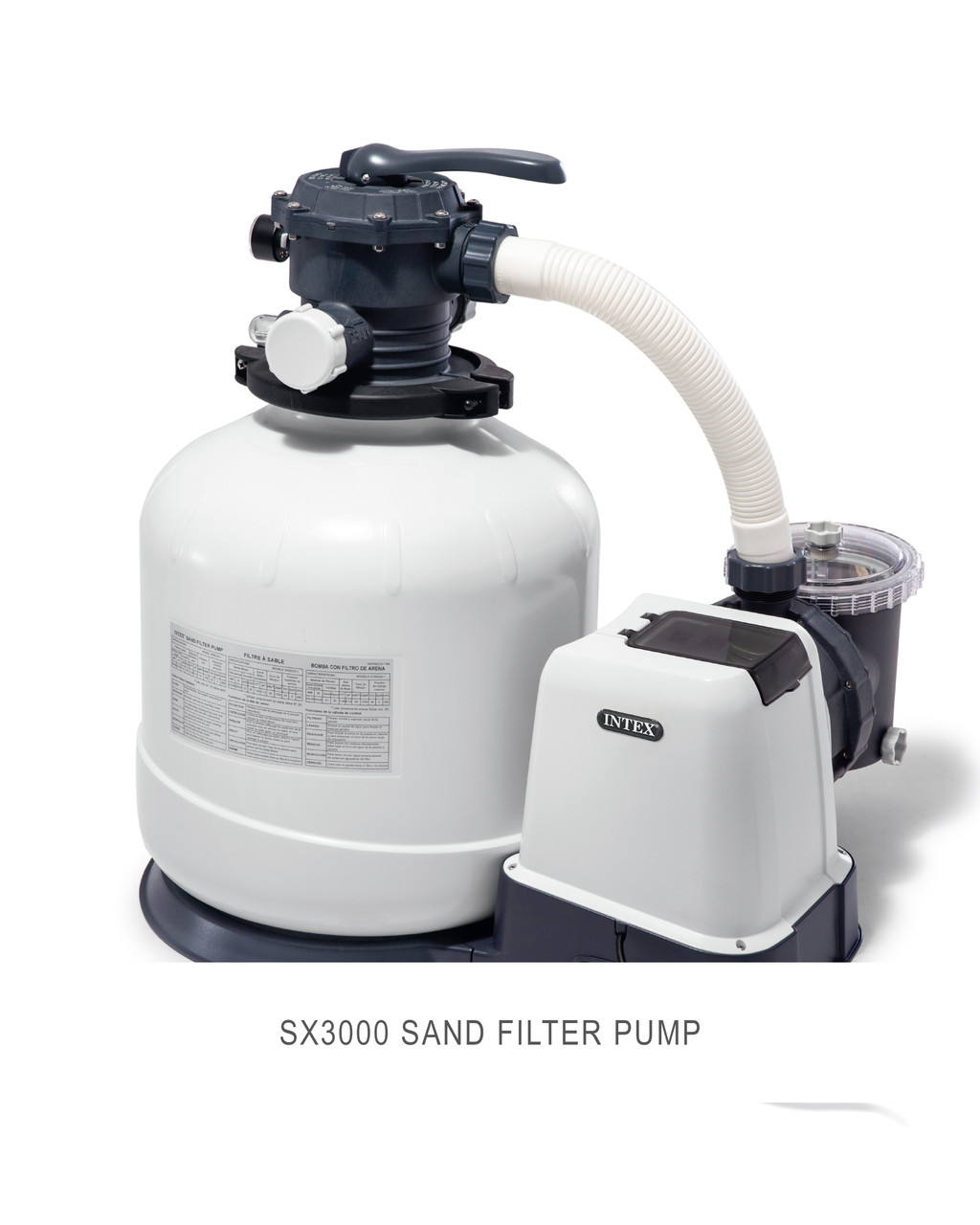
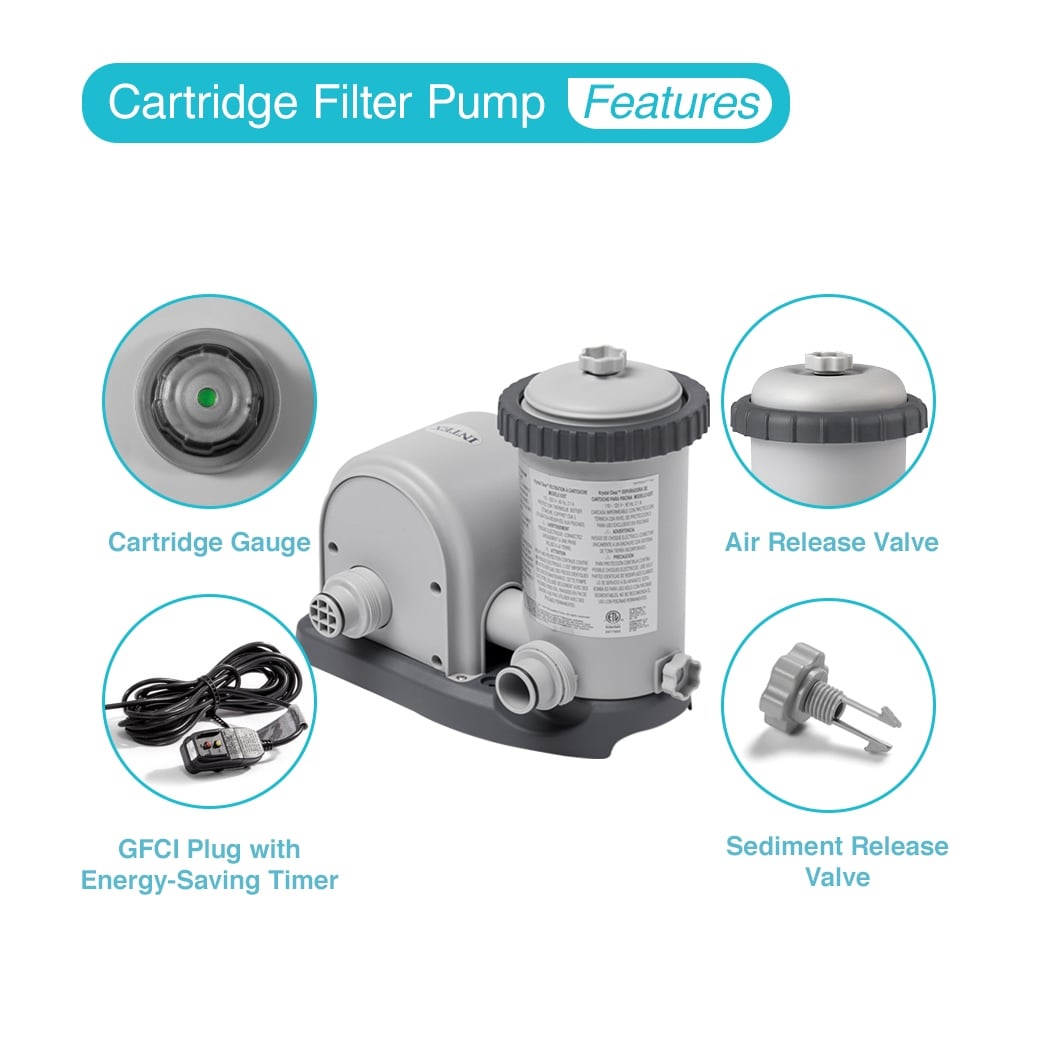
| Intex Krystal Clear Cartridge Filter Pump | Medium | Simple, easy to access hoses |
| Intex Sand Filter Pump | Low | Fewer hoses, better seals |
| Intex Saltwater System | Medium-High | Complex plumbing, more connections |
| Intex Combo Filter & Salt System | High | Many valves and hoses |
Tip: If you’re buying a new pump, consider a sand filter model for fewer air leak issues.
Credit: muniandahuaylas.gob.pe
Real-world Example: Solving A Persistent Intex Pump Air Leak
Let’s look at how one pool owner solved a tough air leak.
Maria set up her new Intex pool in May. The pump worked well for a week, then started making a loud sucking noise. Bubbles appeared in the pool. She checked the hoses and tightened the clamps, but the problem stayed.
After reading online, Maria tried spraying soapy water on the connections and saw bubbles get sucked in at the pump lid. She found the O-ring was dry and twisted. She bought a new O-ring and used pool lubricant. After priming the pump, the noise stopped and the jets were strong again.
Lesson: Sometimes the problem is a simple, cheap part — but you must check closely to find it.
The Cost Of Ignoring Air In Your Intex Pool Pump
If you ignore air leaks, the damage can add up fast:
- The pump motor can overheat and fail (replacement cost $80-$200).
- Water circulation drops, leading to algae or unsafe water.
- The filter may crack from running dry.
- Hoses collapse, causing bigger leaks.
Regular maintenance and quick repairs will save you time and money.
How To Keep Your Intex Pool Pump Air-free All Summer
Here’s a simple routine for a worry-free pool season:
- Inspect all connections and hoses every week.
- Lubricate O-rings monthly.
- Top up water after heavy use or hot weather.
- Clean the filter and skimmer regularly.
- Listen for any new noises and check for bubbles after storms or cleaning.
Consistency is the secret to avoiding problems.
Comparing Diy Vs. Professional Pump Repair Costs
Let’s look at the difference in repair costs.
| Repair Type | DIY Cost (USD) | Professional Cost (USD) |
|---|---|---|
| O-ring replacement | $5-$10 | $50-$100 |
| Hose replacement | $10-$30 | $60-$120 |
| Pump lid replacement | $15-$40 | $70-$150 |
| Pump replacement | $80-$200 | $200-$400 |
As you can see, basic repairs are much cheaper to do yourself.
Where To Get Quality Parts And Help
For Intex pool pump parts, always buy from trusted sellers. Intex’s official website, pool stores, and well-known online retailers are good places. Avoid very cheap parts from unknown sources — they may not seal well.
If you need more help, the Intex website has guides and support. Community forums are also useful, but stick to advice from experienced users.
For more pool maintenance tips, you can check this SwimmingPool.com guide.
Frequently Asked Questions
Why Does My Intex Pool Pump Lose Prime After A Few Minutes?
Losing prime usually means air is entering the system. The most common reasons are a loose hose, cracked O-ring, or low water level. Check all suction side connections, make sure the pump basket is filled with water, and keep the pool water at the right height.
Is It Dangerous To Run My Pool Pump With Air In It?
Yes, running your pump with air can cause the motor to overheat and burn out. It also means your pool isn’t being cleaned properly. Always fix air leaks before using the pump for a long time.
How Often Should I Replace My Intex Pump Hoses And O-rings?
Replace hoses and O-rings at least every 1-2 years, or sooner if you notice cracks or leaks. Hoses stored in the sun may fail faster. Lubricate O-rings monthly to extend their life.
What’s The Best Way To Check For Small Air Leaks In My Intex Pool Pump?
Spray a mixture of dish soap and water on all hose connections and the pump lid with the pump running. If you see the soap bubbles getting sucked in, you’ve found a leak. You can also use food coloring for hard-to-find leaks.
Can I Use Regular Silicone Or Grease On Pool O-rings?
No, only use silicone lubricant made for pools. Other types can damage rubber and cause leaks. Pool-safe lubricant is cheap and easy to find at pool stores.
Having a clean, air-free Intex pool pump makes your summer safe and stress-free. With the right checks, tools, and a bit of patience, you can fix air leaks and enjoy your pool all season long.

Credit: muniandahuaylas.gob.pe