
Owning a pool is a joy, but keeping the water clean can sometimes feel like a full-time job. If you have an Intex sand filter, you probably expect it to keep your pool sparkling with minimal effort. But what happens when you notice the pressure on the filter is lower than usual? A low-pressure reading might seem like good news, but it often means your system isn’t working as it should. Many pool owners don’t realize that Intex sand filter low pressure can lead to cloudy water, poor circulation, and even damage to your pool equipment over time.
Understanding what causes this issue and how to fix it is essential for anyone who wants to enjoy a healthy, crystal-clear pool all season long. In this guide, you’ll discover the main reasons for low pressure in your Intex sand filter, how to troubleshoot the problem, and what steps you can take to prevent it from happening again.
Along the way, you’ll find practical tips, clear explanations, and expert advice you won’t find in most user manuals.
What Is An Intex Sand Filter And How Does It Work?
An Intex sand filter is a type of pool filter that uses special sand to trap dirt and debris from your pool water. Water is drawn from the pool, pushed through the sand in the filter tank, and then returned clean to the pool. The sand captures particles as small as 20 microns, which keeps your water clear.
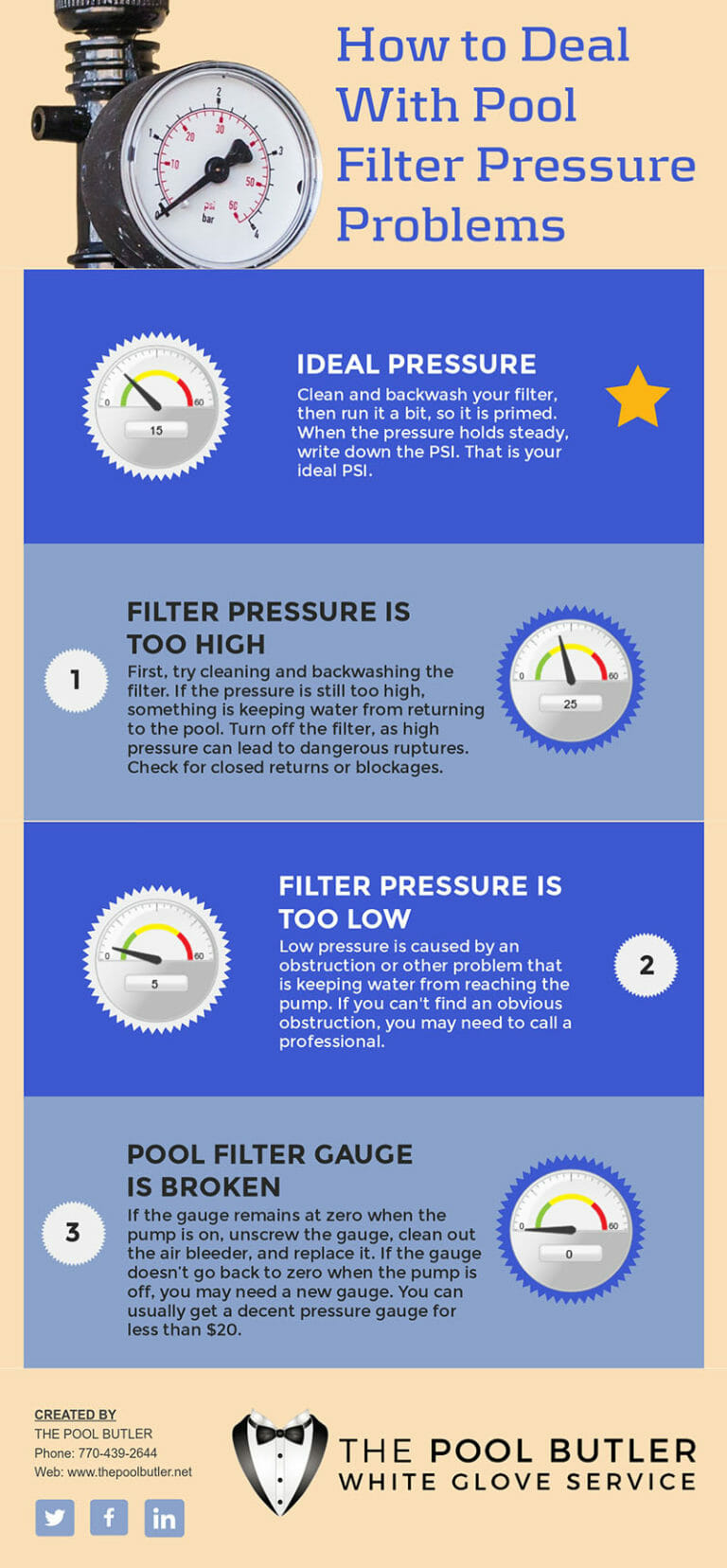
The filter system has a pressure gauge on top or on the side. This gauge tells you how hard your pump is working to push water through the sand. Most Intex sand filters run best at a pressure between 8 and 15 psi (pounds per square inch), but the exact number can vary.
The filter’s job is to balance water flow and filtration. If the pressure is too high, it usually means the sand is clogged. If the pressure is too low, something is stopping enough water from reaching the pump or filter.
Why Is Low Pressure A Problem For Your Intex Sand Filter?
At first, a low-pressure reading might not seem like a big deal. After all, the pump is working easily, and there’s less strain on the system, right? Actually, low pressure usually means that water isn’t moving through the filter as it should. This can cause many problems:
- Dirty water: Not enough water is being cleaned, so dirt and algae can build up.
- Poor circulation: Chemicals and heat don’t get distributed evenly.
- Pump damage: Running the pump with low pressure for too long can cause it to overheat and wear out.
- Unseen issues: Low pressure can be a sign of leaks or blockages that may get worse if ignored.
Most pool owners focus only on high pressure, but persistent low pressure can be just as serious. The key is to find the cause and fix it quickly.
Common Causes Of Intex Sand Filter Low Pressure
Understanding the main causes of low pressure in your Intex sand filter helps you solve the problem faster. Here are the most common reasons:
1. Low Pool Water Level
If your pool’s water level drops below the skimmer opening, air can get sucked into the system. Air bubbles reduce the water flow, causing the pressure gauge to drop. Always keep the water at least halfway up the skimmer.
2. Clogged Skimmer Or Pump Basket
Leaves, hair, and debris often collect in the skimmer basket or pump basket. If these baskets are full, less water reaches the pump, which lowers the pressure.
3. Blocked Or Collapsed Hoses
The flexible hoses that connect your pool, pump, and filter can sometimes get kinked, flattened, or blocked by debris. Even a small blockage can cause a big drop in pressure.
4. Air Leaks In The Suction Line
If there’s a crack or loose connection in the hose before the pump, air can be drawn in. This air stops the pump from creating enough suction, leading to low pressure. Listen for hissing sounds or look for bubbles inside the pump basket.
5. Dirty Or Clogged Filter Sand
Over time, fine debris, oils, and even algae can clog the sand. If the sand is very dirty or has “channeling” (where water cuts paths through the sand), it won’t filter well. Sometimes, low pressure can result if the sand is packed too tightly after backwashing.
6. Faulty Pressure Gauge
Sometimes, the problem isn’t with your water flow but with the pressure gauge itself. If the gauge is broken, stuck, or full of water, it might read low even if the filter is working correctly.
7. Pump Problems
If the pump impeller is clogged or worn out, or if the motor is failing, it can’t move water as it should. This mechanical failure leads to low pressure.
8. Valves Not Fully Open
Most pool setups have valves to control water flow. If any of these are partially closed (by accident or on purpose), less water will reach the filter, lowering the pressure.
9. Problems With The Multiport Valve
The multiport valve on top of the sand filter can sometimes get stuck, leak air, or not seal properly. Any of these issues can cause low pressure.
10. Incorrect Sand Type Or Amount
If the wrong sand is used, or if there’s not enough sand in the filter, water won’t be filtered properly and pressure can drop.
How To Troubleshoot Low Pressure In Your Intex Sand Filter
Solving low pressure is about checking each part of the system step by step. Here’s a practical troubleshooting guide:
Step 1: Check The Pool Water Level
Make sure the water level is at least halfway up the skimmer opening. If it’s low, add water.
Step 2: Clean The Skimmer And Pump Basket
Turn off the pump. Remove and empty both baskets. Rinse them with a hose to remove all debris.
Step 3: Inspect All Hoses
Look for kinks, flattening, or blockages. Straighten hoses and remove any visible debris. Replace damaged hoses if needed.
Step 4: Check For Air Leaks
With the pump running, look for bubbles in the pump basket. Tighten hose clamps and connections. Smear a little water around each joint—if bubbles appear, there’s a leak.
Step 5: Backwash The Filter
If you haven’t backwashed recently, do so now. This process reverses the water flow to clean out trapped dirt from the sand.
Step 6: Inspect The Pressure Gauge
If the gauge always reads low, even when the pump seems strong, it may be faulty. Replace if necessary.
Step 7: Examine The Pump
Open the pump housing (after turning off the power). Check for debris in the impeller. Spin it by hand to make sure it’s not jammed.
Step 8: Check All Valves
Ensure every valve is fully open. Close and reopen each one to make sure they aren’t stuck.
Step 9: Test The Multiport Valve
Make sure the handle clicks into each setting and seals tightly. If it feels loose or leaks, the gasket may need replacing.
Step 10: Confirm Sand Type And Amount
Check your manual for the correct sand type and fill level. If you recently changed the sand, make sure it’s not too low or too high.

Credit: www.reddit.com
Table: Quick Troubleshooting Guide
Here’s a handy summary of what to check if your Intex sand filter pressure is low:
| Possible Cause | How to Check | What to Do |
|---|---|---|
| Low water level | Look at skimmer | Add water to pool |
| Clogged baskets | Open and inspect baskets | Clean out debris |
| Blocked hoses | Feel and look for kinks | Straighten or replace hoses |
| Air leaks | Check for bubbles, hissing | Tighten connections |
| Dirty sand | Check backwash schedule | Backwash filter |
| Bad pressure gauge | Compare with new gauge | Replace gauge |
| Pump issues | Listen for noise, check impeller | Clean/repair pump |
| Closed valves | Inspect valve positions | Open all valves fully |
| Multiport problems | Test handle, look for leaks | Repair/replace gasket |
| Wrong sand/level | Check manual, measure sand | Add/correct sand |
Non-obvious Insights Most Pool Owners Miss
Invisible Air Leaks
A tiny air leak in the suction side can be hard to spot. Even if you don’t see bubbles in the pool, a slow leak can still drop your pressure. Sometimes, leaks only happen when the pump is running. Using soapy water or shaving cream around joints can help you find leaks—bubbles will form where air is sucked in.
Sand Condition Matters
Many people think sand lasts forever, but after 3–5 years, it becomes smooth and stops filtering well. This leads to both low pressure and poor water quality, even if the pressure gauge looks normal. If your sand is old, changing it can restore both pressure and clarity.
Credit: www.thepoolbutler.net
How To Prevent Intex Sand Filter Low Pressure Problems
Prevention is always better than repair. Here are steps to keep your system running smoothly:
- Check water level weekly. Top up after heavy rain, splash-out, or backwashing.
- Clean baskets every 2–3 days. Don’t wait until they’re full.
- Backwash regularly. Usually once a week, or when pressure rises 7–10 psi above normal.
- Inspect hoses monthly. Replace any that are stiff or have cracks.
- Tighten all connections at the start of each season.
- Use correct sand type. Only use pool filter sand, never play sand or construction sand.
- Replace sand every 3–5 years. Old sand loses its sharp edges and can’t trap dirt.
- Listen for pump noises. A loud or rattling pump means something’s wrong.
- Store hoses and equipment indoors during winter. Sun and freezing damage hoses quickly.
Table: Routine Maintenance Checklist
Simple, regular care keeps your Intex sand filter working reliably:
| Task | Frequency | Why It Matters |
|---|---|---|
| Check water level | Weekly | Prevents air in system |
| Clean baskets | Every 2–3 days | Ensures good water flow |
| Backwash filter | Weekly or as needed | Removes trapped dirt |
| Inspect hoses | Monthly | Finds blockages/leaks early |
| Replace sand | Every 3–5 years | Restores filtering power |
When To Call A Professional
Most low-pressure problems are easy to fix at home. However, there are times when you should ask for expert help:
- You can’t find any leaks but pressure is still low.
- Pump is making loud or grinding noises.
- Water is not circulating at all, even after basic troubleshooting.
- Multiport valve leaks water or won’t stay in one position.
- Filter tank is cracked or leaking.
Getting help early can save you money and prevent damage to your pool system.
Real-life Example: Solving A Tricky Low Pressure Case
Let’s look at a situation many pool owners face. Sarah noticed her Intex sand filter pressure was always low. She cleaned the baskets, checked the water level, and backwashed the filter. Nothing changed. Then she tried tightening all the hose clamps and connections.
Still, no luck.
Finally, she replaced the hose that ran from the skimmer to the pump. The old hose had a tiny split she couldn’t see. As soon as the new hose was installed, the pressure returned to normal. The pool cleared up in 24 hours.
Lesson: Even a small, invisible problem in the suction line can cause big headaches.
Comparing Intex Sand Filters: Are All Models The Same?
Not all Intex sand filters are built alike. Some have stronger pumps, larger tanks, or different valve designs. Here’s a comparison of three popular Intex sand filter models:
| Model | Tank Size | Pump Flow Rate | Best For Pool Size |
|---|---|---|---|
| Intex 10-inch | 10 in / 25.4 cm | 1,200 GPH | Up to 10,000 gallons |
| Intex 12-inch | 12 in / 30.5 cm | 2,100 GPH | Up to 16,800 gallons |
| Intex 14-inch | 14 in / 35.6 cm | 2,800 GPH | Up to 21,200 gallons |
Tip: Using a filter that’s too small for your pool means it will run longer and may have more pressure problems. Always match the filter size to your pool volume.
How To Read Your Intex Sand Filter Pressure Gauge
Understanding what your pressure gauge tells you can prevent bigger problems. Here’s what the main readings mean:
- Normal pressure: For most Intex sand filters, 8–15 psi is standard.
- Low pressure: Below 8 psi usually means a blockage before the pump or a suction leak.
- High pressure: Above 15 psi typically means the sand is dirty or the return line is blocked.
When you first install your filter with clean sand, note the pressure reading. This is your system’s “normal. ” After backwashing, the pressure should return close to this number.

Credit: www.reddit.com
Mistakes To Avoid When Dealing With Low Pressure
Many pool owners make errors when trying to fix low pressure. Avoid these mistakes:
- Ignoring the problem: Hoping it will fix itself often leads to green, cloudy water.
- Adding chemicals instead of fixing the cause: Chemicals won’t help if water isn’t circulating.
- Overtightening connections: This can crack plastic fittings and make leaks worse.
- Using the wrong sand: Only use pool filter sand that matches the size listed in your manual.
- Skipping regular maintenance: Waiting too long between cleanings lets small problems grow.
When Low Pressure Is Not A Problem
There are a few cases when low pressure is normal:
- After cleaning or backwashing, the system might run at a lower pressure than before. This is good—it means water is moving freely.
- If you switch to a larger pump or use a “recirculate” setting, pressure may be lower.
- Very clean, new sand may give a lower reading for the first week.
If your pool water is clear and circulation is strong, a slightly lower pressure isn’t a problem.
Additional Tips For Reliable Sand Filter Performance
- Prime the pump after any maintenance. Fill the basket with water before starting.
- Lubricate O-rings on the pump lid and multiport valve with silicone grease to prevent air leaks.
- Store your pressure gauge indoors in winter—it can freeze and break if left outside.
- Label your hoses to make reassembly easy after cleaning or storage.
- Rinse after backwashing: Always rinse for 30 seconds to settle the sand before returning to “filter” mode.
Resources For Further Help
If you want more technical details or troubleshooting help, the official Intex website offers manuals, guides, and customer service. For general pool care, sites like SwimmingPool.com have many helpful articles.
Frequently Asked Questions
What Is The Ideal Pressure For My Intex Sand Filter?
For most Intex sand filters, the ideal pressure is between 8 and 15 psi. Always check your user manual for your specific model. After cleaning or changing the sand, note the “normal” pressure for your system.
How Often Should I Backwash My Intex Sand Filter?
Backwash your filter once a week or whenever the pressure rises 7–10 psi above your normal reading. If your pool is used heavily or there’s a lot of debris, you may need to backwash more often.
Can I Use Play Sand Or Other Sand Types In My Intex Sand Filter?
No, only pool filter sand should be used. Other sand types can clog the system, reduce filtration, and even damage the filter. Always use the sand grade listed in your manual.
What Should I Do If My Sand Filter Pressure Gauge Is Stuck?
If your pressure gauge is stuck or doesn’t move, it may be broken. Replace it with a new, compatible gauge. Pressure gauges can wear out from sun, water, and freezing weather.
Is It Normal For Pressure To Drop After Backwashing?
Yes, after backwashing, it’s normal for the pressure to be lower. This means the sand is clean, and water is flowing freely. If pressure drops very low and stays there, check for air leaks or blockages before the pump.
Keeping your pool water healthy is much easier when you understand how your Intex sand filter works. By checking for low pressure, following regular maintenance, and knowing how to fix common problems, you’ll enjoy a summer of clear water and stress-free swimming.