
Have you ever walked into your home and noticed a strange, sharp odor that reminds you of rotten eggs or skunk? If you use propane for heating or cooking, this scent can be both alarming and confusing—especially when your propane tank is running low. Understanding why this smell appears, what it means, and how to respond is vital for your safety and peace of mind. Let’s explore the causes, risks, and solutions for a propane smell in your house when the tank is low. By the end, you’ll know how to react with confidence and keep your home safe.
Why Does Propane Smell Bad?
Propane is a popular fuel for heating, cooking, and even powering some appliances. On its own, propane is odorless and colorless. This would make leaks almost impossible to detect. For safety, companies add a chemical called ethyl mercaptan to propane. This additive gives propane its strong, unpleasant smell—often described as rotten eggs or sulfur.
This artificial scent helps people notice leaks quickly. Even a tiny amount of propane escaping can fill a room with this odor. If you smell it, you should never ignore it.
Is It Normal To Smell Propane When The Tank Is Low?
Many propane users notice a stronger smell when their tank is almost empty. This can seem odd, especially if you have not noticed a leak before. But there is a real explanation for this.
As a propane tank gets low, the ratio of ethyl mercaptan to propane changes. The odorant can collect near the bottom of the tank or become more concentrated in the last bit of gas. When you use up the last of the propane, more odorant can be released, causing a stronger smell. This doesn’t always mean you have a dangerous leak, but it’s important to be cautious.
However, there are other reasons you might smell propane at low levels, and some of them can be serious. Understanding these possibilities can help you act wisely.

Credit: wheatenergy.net
How Propane Tanks Work
Knowing how a propane tank functions makes it easier to understand why you might smell gas, especially as the tank gets low.
- Propane is stored as a liquid under pressure inside the tank.
- When you use propane, it turns into a gas as it leaves the tank.
- The tank also contains ethyl mercaptan for safety.
- Most tanks have safety valves and regulators to control the flow.
Over time, as propane is used, the amount of liquid decreases and more space is filled with vapor. At low levels, the remaining propane and the odorant may become concentrated together.
Most Common Reasons For Propane Smell When Tank Is Low
Several factors can cause you to notice a propane smell as your tank nears empty. Here are the main reasons:
- Odorant Concentration: As the tank empties, the mercaptan can be more noticeable in the last bit of gas.
- Small Leaks or Cracks: Low pressure may allow small leaks to release more odorant.
- Regulator Issues: A faulty or old regulator may not control the flow correctly, leading to leaks.
- Disconnected or Loose Fittings: If hoses or connections loosen as the tank is moved or replaced, gas can escape.
- Incomplete Combustion: Low propane pressure can cause appliances to burn fuel poorly, making the smell stronger.
- Appliance Problems: Stoves, heaters, or water heaters that are not working properly may leak propane.
How To Check For Propane Leaks
If you notice a propane smell in your house, especially when the tank is low, you need to confirm if there is a leak. Here are safe steps:
- Listen and Look: Sometimes you can hear a hissing noise near the tank or appliances. Look for frost or white powder near connections.
- Smell Test: If the smell is strongest near the tank or a specific appliance, that’s a clue.
- Soapy Water Test: Mix dish soap with water, and apply it to connections and valves. Bubbles mean gas is escaping.
- Use a Detector: Propane gas detectors can alert you to leaks. These are especially helpful for homes with children or seniors.
Never use an open flame to check for leaks.
Dangers Of Propane Leaks
Propane is safe when handled properly, but leaks can be dangerous. Here’s why you should never ignore a propane smell:
- Explosion Risk: Propane is highly flammable. Just a small spark can cause a fire or explosion if gas builds up indoors.
- Health Effects: Breathing in propane can cause dizziness, headaches, nausea, or loss of consciousness.
- Suffocation: High amounts of propane can push out oxygen, making it hard to breathe.
- Property Damage: Fires or explosions can destroy homes and belongings.
The U. S. National Fire Protection Association reports that propane causes hundreds of house fires and injuries each year. Fast action is essential if you suspect a leak.
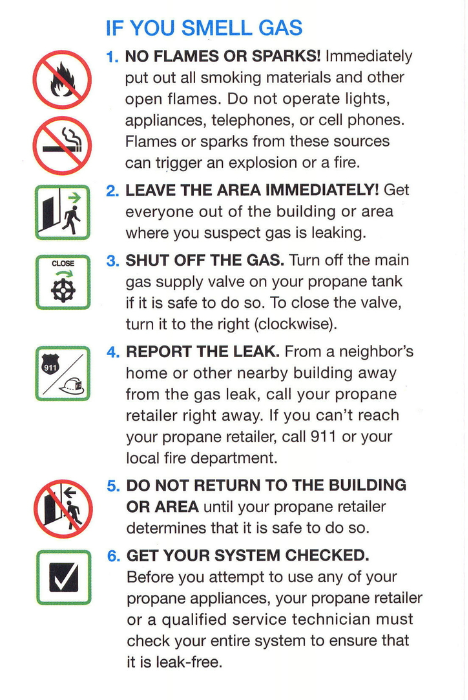
What To Do If You Smell Propane
If you smell propane in your house, especially when the tank is low, follow these steps immediately:
- Do Not Use Electronics: Don’t turn on lights, use phones, or plug in appliances. Any spark can ignite gas.
- Leave the Area: Get everyone, including pets, out of the house right away.
- Shut Off the Tank: If it’s safe, turn off the main valve on the propane tank.
- Call for Help: Contact your propane supplier or local fire department from outside your home.
- Do Not Return: Only go back inside when professionals say it’s safe.
Can A Low Propane Tank Cause A Leak?
A nearly empty propane tank does not automatically leak. But low levels can increase the chance of problems:
- Pressure Drops: Low pressure can cause the regulator to malfunction.
- Odorant Release: More odorant may escape, making it seem like a leak.
- Stress on Components: Frequent emptying and refilling can wear out valves and connections.
If your tank runs empty often, have it checked for wear and tear.
Credit: www.reedgaspropane.com
How To Prevent Propane Smells When Tank Is Low
You can reduce the risk of smelling propane by following good habits and regular maintenance:
- Check Connections: Regularly inspect hoses, valves, and fittings for cracks or looseness.
- Keep Tanks Filled: Try not to let your tank run very low. Refill when it’s about 20-30% full.
- Professional Inspections: Have a qualified technician check your system each year.
- Replace Old Equipment: Change hoses and regulators every few years or as recommended.
- Proper Storage: Store tanks outside, upright, and away from heat sources.
Propane Tank Maintenance Tips
Proper care of your propane system can stop leaks and smells before they start. Here are practical tips:
- Check for Rust: Rust can weaken tanks and lead to leaks. Clean and repaint as needed.
- Protect from Weather: Use tank covers to shield from rain and snow.
- Monitor for Dents: Dents can damage the tank and affect safety.
- Label Tanks: Mark tanks with the refill date and inspection schedule.
Table: Propane Tank Safety Checklist
Here is a helpful comparison of safety actions for your propane system:
| Action | How Often | Why It Matters |
|---|---|---|
| Inspect connections | Monthly | Stops leaks before they grow |
| Refill tank | When 20-30% full | Prevents low-pressure issues |
| Check for rust/damage | Every 6 months | Maintains tank strength |
| Professional inspection | Yearly | Finds hidden problems |
| Replace hoses/regulator | Every 5 years | Keeps system reliable |
Propane Smell: When Is It An Emergency?
Sometimes, a faint propane smell is just a reminder to refill your tank. Other times, it signals a serious problem. Here’s how to tell the difference:
- Mild, brief smell: Often normal when lighting appliances or changing tanks.
- Strong, lasting smell: May mean a leak. Act fast.
- Hissing noise or visible frost: Emergency—leave the area and call for help.
- Multiple people feel sick: Headaches, dizziness, or nausea may be from propane exposure.
If in doubt, always treat propane smells as an emergency. Safety comes first.
What To Tell Your Propane Supplier
If you call your propane supplier about a smell, be ready to explain:
- Where and when you noticed the smell
- How strong the odor is
- If you hear hissing or see frost
- If anyone feels sick
- How old your tank and connections are
This helps the technician solve the problem faster and keep you safe.
Table: Propane Leak Signs Vs. Normal Odor
Here’s a comparison to help you decide if the smell means danger:
| Sign | Normal When Tank Low? | Emergency? |
|---|---|---|
| Faint odor when tank nearly empty | Yes | No |
| Strong, constant odor anywhere | No | Yes |
| Hissing sound | No | Yes |
| Odor near appliances | No | Yes |
| White frost on tank/lines | No | Yes |
Key Differences: Propane Leak Vs. Low Tank Odor
While both can smell the same, there are important differences:
- Low tank odor is often weaker and goes away after refilling.
- Leak odor stays strong or gets worse, no matter how much gas is in the tank.
- Leaks may cause physical signs, like hissing, frost, or dead plants near the tank.
Non-obvious Insights Most People Miss
- Ethyl Mercaptan Fading: Over time, the odorant can fade, especially in old tanks or those exposed to moisture. This means a leak could happen with little or no smell. Regular checks are more important than relying on your nose alone.
- Appliance Backdrafting: Sometimes, a propane appliance can pull combustion gases back into the house if venting is blocked. This can cause you to smell gas even if there’s no leak at the tank.
What To Do If You Frequently Smell Propane At Low Tank
If you often notice a strong odor every time your tank is low, consider these steps:
- Switch Suppliers: Sometimes, the mix of odorant can vary. Talk to your supplier about the issue.
- Check Appliance Vents: Blocked vents can cause smells to linger indoors.
- Upgrade Equipment: Modern tanks and regulators are safer and may solve the problem.
Propane Safety For Children And Pets
Children and pets are at greater risk from propane leaks because they are closer to the ground, where gas collects. Teach your family:
- The smell of propane is dangerous.
- Never play near tanks or appliances.
- Leave the house right away if they smell gas.
Consider installing propane detectors low to the ground, where gas settles.
Table: Propane Safety Tips For Families
| Tip | Why It’s Important |
|---|---|
| Teach kids about propane smell | Helps them act fast in danger |
| Install detectors | Extra safety if you miss a leak |
| Keep tanks outside | Reduces risk indoors |
| Store away from play areas | Keeps kids and pets safe |
How Professionals Check For Leaks
When you call a propane expert, they do more than just a sniff test. Professional leak detection may include:
- Pressure Testing: Measuring if the system holds pressure.
- Electronic Detectors: Sensitive tools to detect even tiny leaks.
- Full System Inspection: Checking every valve, joint, and appliance.
- Gas Line Check: Ensuring pipes under the house or in walls are safe.
These steps help find leaks you might miss at home.
Importance Of Proper Ventilation
Good airflow helps keep your home safe from propane buildup:
- Open windows: When using propane appliances, let in fresh air.
- Clean vents: Make sure vents are clear of dust, leaves, or snow.
- Use exhaust fans: In kitchens and laundry rooms, fans can move gas outside.
Poor ventilation increases the risk of gas buildup and makes small leaks more dangerous.
Propane Use In Different Climates
Propane behaves differently in hot and cold weather:
- Cold climates: Propane pressure drops in the cold, making leaks less likely but causing appliances to work poorly if the tank is low.
- Hot climates: Tanks can build up more pressure, making leaks worse if they happen.
Store tanks in shaded, ventilated areas and protect them from temperature extremes.
Credit: www.ferrellgas.com
When To Replace Your Propane Tank
Propane tanks have a limited life. Most portable tanks last 10-12 years; larger tanks may last longer with care. Replace your tank if:
- It is rusted, dented, or damaged.
- The certification date has expired (check the collar of the tank).
- It fails a professional inspection.
Reusing old tanks is risky. Many refilling stations will not fill tanks past their certified date.
Legal And Insurance Issues
Some insurance policies require regular propane system inspections. If a leak causes damage and your system was not maintained, your claim may be denied. Local laws may also require professional installation and maintenance for propane systems. Always keep records of inspections and refills for your safety and legal protection.
How To Dispose Of Old Propane Tanks
Never throw propane tanks in the trash. Take them to a certified recycling center or hazardous waste facility. Most propane suppliers offer disposal services for a small fee. This prevents accidents and environmental harm.
How Propane Odor Differs From Natural Gas
Propane and natural gas both use ethyl mercaptan for odor. But natural gas is lighter than air, while propane is heavier. This means propane collects near the floor, and the smell may be stronger at ground level. If you use both fuels in your home, know the difference and where to expect the smell.
Real-world Example: Propane Smell Causes Evacuation
In 2021, a family in Ohio smelled a strong propane odor when their tank was nearly empty. They left the house and called the fire department. Firefighters found a small leak at the regulator, which was made worse by low pressure.
Quick action prevented an explosion. This shows why even minor smells should be taken seriously.
For more about propane safety and emergency response, the National Fire Protection Association offers trusted guidance.
Frequently Asked Questions
What Should I Do First If I Smell Propane In My House?
Leave your house right away, avoid using any electronics or flames, and call your propane supplier or emergency services from outside. Do not try to find the leak yourself if the smell is strong.
Is It Normal To Notice A Propane Smell When My Tank Is Almost Empty?
A mild, temporary odor can be normal due to the concentration of odorant in a nearly empty tank. However, if the smell is strong or does not go away, treat it as a possible leak.
Can Running Out Of Propane Damage My Appliances?
Yes. If propane appliances run without fuel, they can draw in air and moisture, which may cause rust and damage. Always refill before the tank is empty.
How Often Should I Have My Propane System Inspected?
At least once a year by a licensed professional. Inspections help find leaks, worn parts, and other safety risks before they become serious.
Are Propane Detectors Necessary If I Already Smell Gas Easily?
Yes. Propane detectors add a layer of safety, especially for children, seniors, or if the odorant fades. Install them near floors and in rooms with propane appliances.
A propane smell in your house when the tank is low can be a simple warning—or a sign of danger. By understanding the reasons, knowing how to check for leaks, and following safe practices, you protect your home and loved ones.
Never ignore propane odors, and trust professionals for inspections and repairs. Stay safe, act quickly, and keep your propane system in top condition for worry-free comfort.